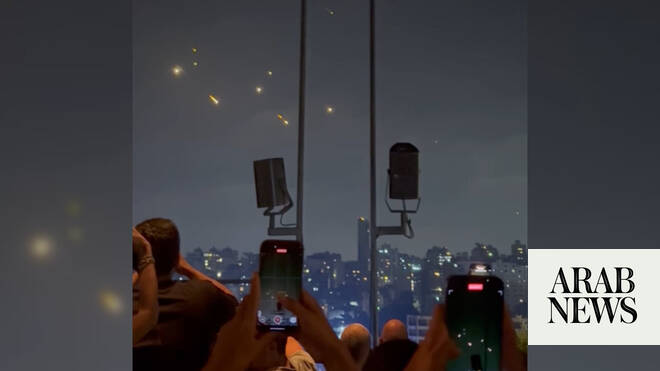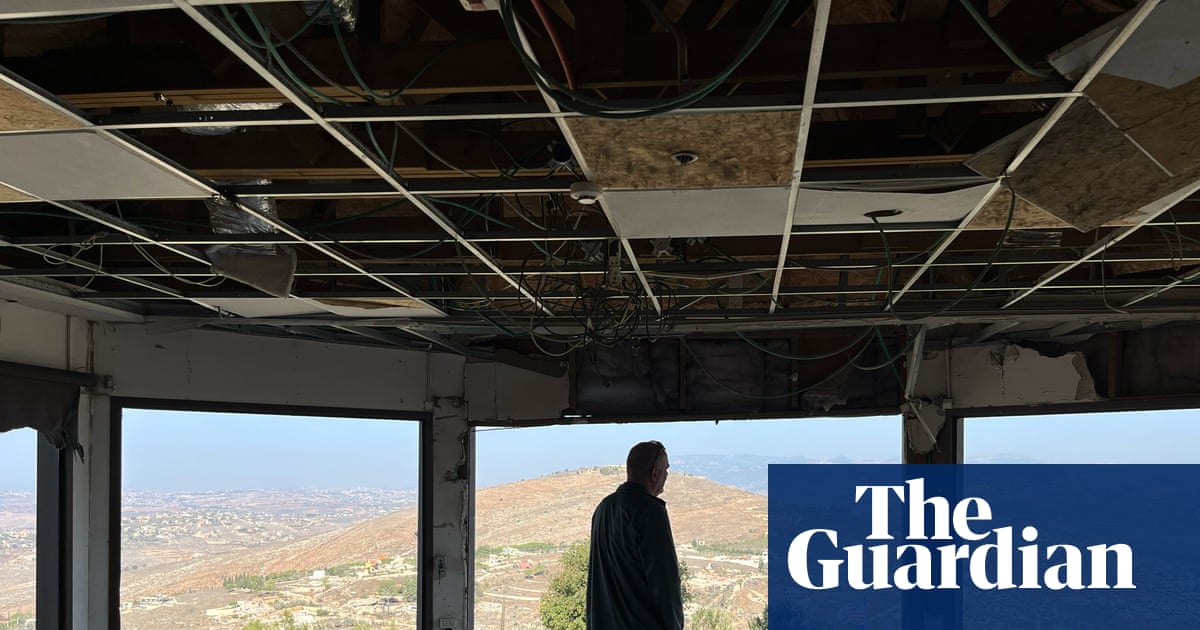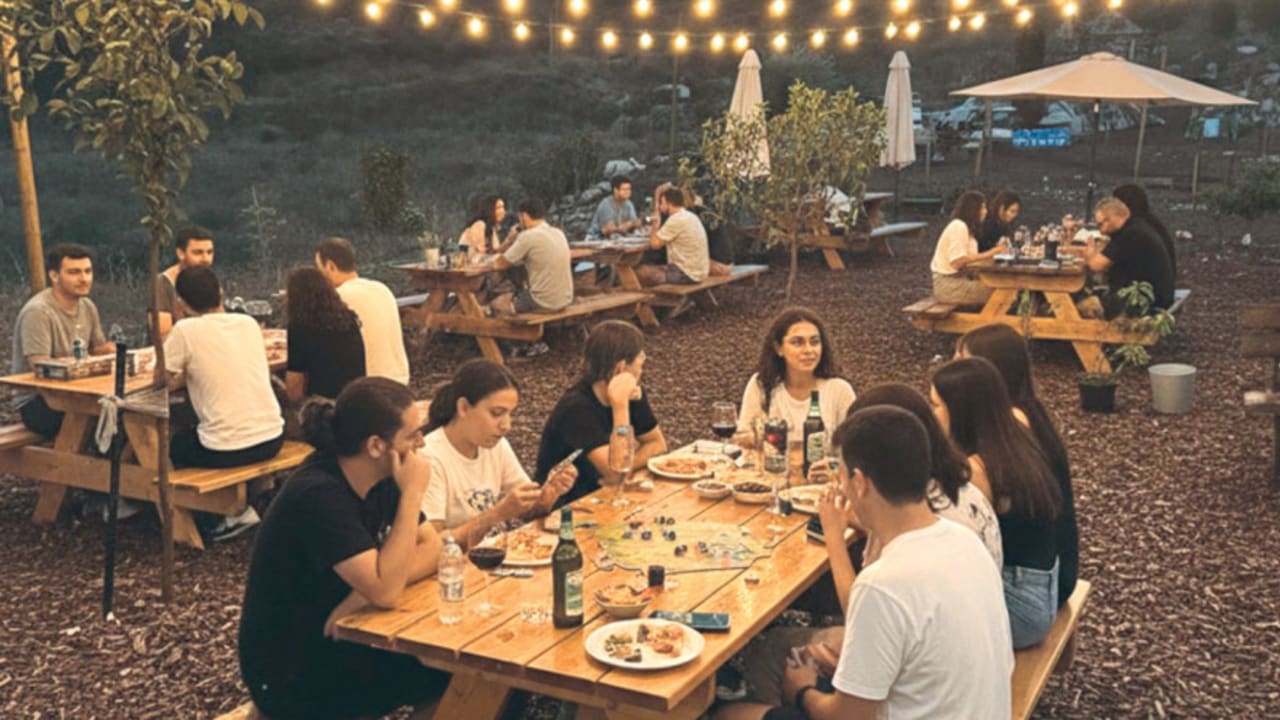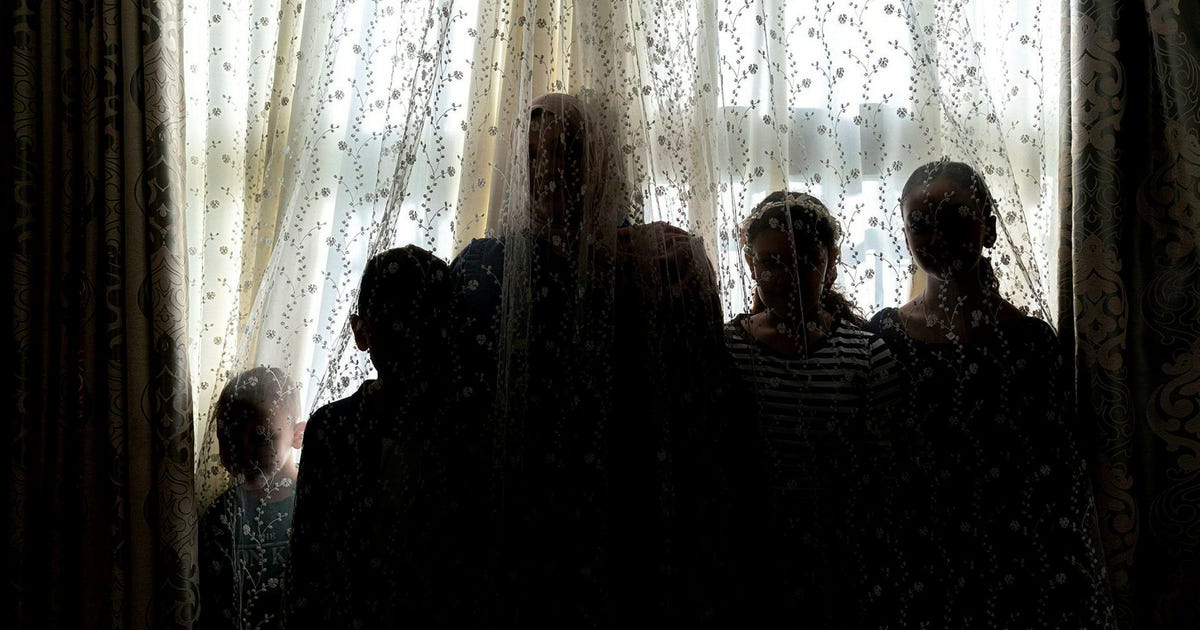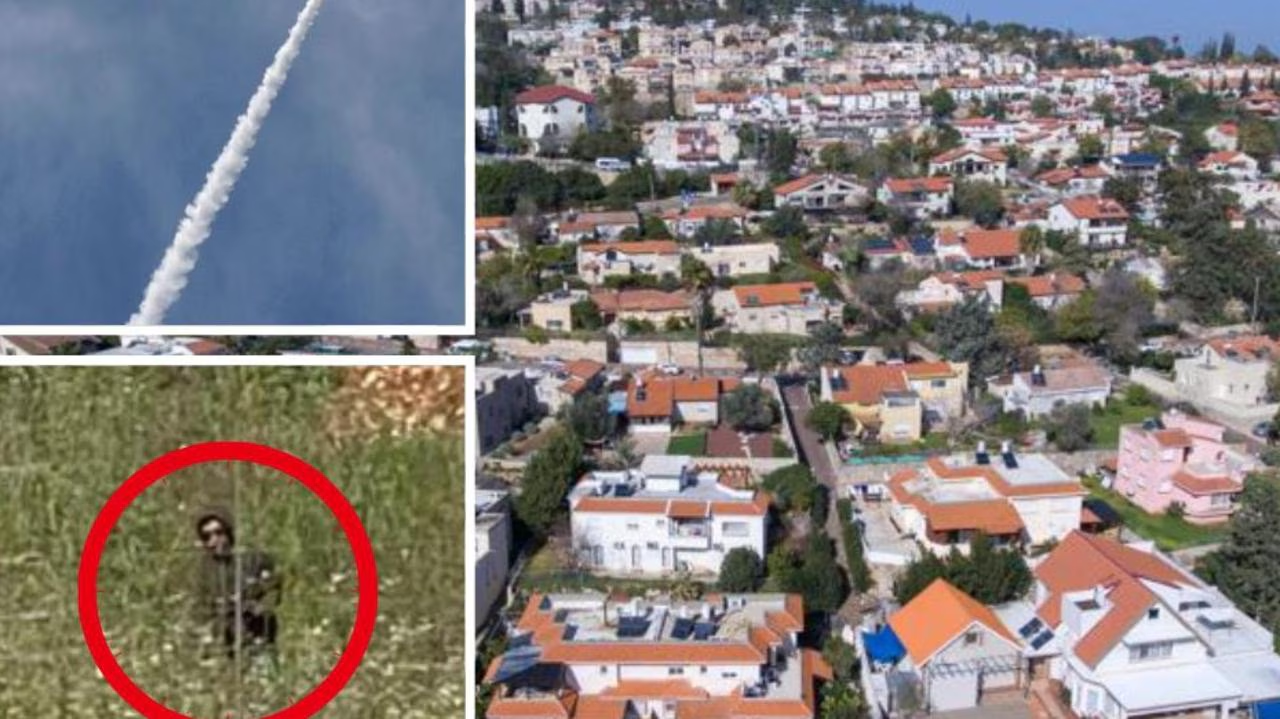
On a warm June afternoon in northern Israel, children chase each other across a playground while their parents sit nearby drinking coffee.The church bells ring. On the same street, the call to prayer drifts from a mosque.Nobody seems particularly concerned by either.Just around the corner, some residents enjoy some drinks at the local pub.Then a boom echoes across the valley.The explosion comes from somewhere beyond the hills that separate Israel from Lebanon, where Hezbollah and Israeli forces continue exchanging fire across one of the world’s most volatile frontiers. The locals barely look up.“We’ve been sent to the bomb shelters hundreds to thousands of times over the past few years,” says Sarit Zehavi, founder and president of the Alma Research and Education Center, which focuses on Israel’s northern border.In Ma’alot-Tarshiha, its residents have learned to live with contradictions, in a place that feels both hopeful and uniquely vulnerable. It is one of the few places in Israel where Jewish and Palestinian families live together in significant numbers and know each other by name, sharing schools, sports clubs, businesses, parks and, when necessary, bomb shelters. Children grow up speaking both Hebrew and Arabic. The city, which is home to an estimated 23,000 people, sits in the Upper Galilee about 7km from the border.The arrangement and mutual recognition is remarkable when viewed against the backdrop of a region increasingly defined by sectarian violence and deep-rooted divisions.And yet here it is. A fragile coexistence unfolding in the shadow of war. “It works,” Ms Zehavi tells news.com.au as she looks toward the border fence snaking across the distant hills towards Lebanon.“The recipe to the success (of Ma’alot-Tarshiha) is good neighbours.“The citizens here mostly believe in the state of Israel and believe in peace.“Everybody here knows who is who.”As she speaks, blasts can be heard from missile interceptions overhead in a chilling reminder that one of the Middle East’s most hopeful places exists on one of its most dangerous front lines that is frequently targeted by Hezbollah - deemed a terrorist organisation by many countries including Australia, the UK and US.“They all run to the same bomb shelters,” she says of the Jewish, Arab and Christian residents of Ma’alot-Tarshiha when air raid sirens sound.If there is anywhere in Israel where coexistence should have collapsed by now, it is here.For years, residents along the northern border have lived with the threat of Hezbollah rockets, antitank missiles, drones and cross-border incursions, along with the fear of another October 7-style attack.“A lot of us don’t like to leave the house for long and it can even be a problem to shower for fear a siren might start when you’re in there and you won’t make it out in time,” one local who asked not to be named says.According to city spokesman Naftali Reznikovich, the threat of rockets and drones “hangs over everyone here, regardless of religion, ethnicity or neighbourhood”. “Sirens do not distinguish between Jewish and Arab residents, and neither does the fear parents feel when they rush their children into protected spaces,” he explains.“In moments of security tension, what stands out here is the shared civic responsibility. “People check on one another, municipal teams serve all residents, and the city continues to insist that fear will not define the relationship between its communities.”Neither Israel nor Hezbollah has observed an April ceasefire in Lebanon, and the latest war has continued despite a conditional truce deal announced last week after Lebanese-Israeli talks in Washington.Since the latest escalation began, daily life has become defined by uncertainty.Schools close. Businesses shut. Families evacuate. Phones buzz with air raid alerts.At times, entire communities empty out overnight. For Alona, life in northern Israel has become a constant balancing act between normality and fear.“Our lives in the north switch from routine to running to the bomb shelter in a second,” she told news.com.au.“We’ve heard huge explosions directly above us without any warning on many occasions.”Several nearby villages on both sides of the border have been completely destroyed by missiles. And yet Ma’alot-Tarshiha remains.The city itself is a mix of Jewish, Muslim, Christian and Druze residents “who live together, work together and share the same municipal life”, according to the city’s spokesperson.The demographics alone make it unusual. The geography makes it extraordinary.The Lebanese border is so close that residents can quite literally watch military activity unfold on their doorsteps.For those in nearby communities and on the actual border itself, there is another terrifying aspect to life in this region.Ms Zehavi claims Israeli security forces have uncovered extensive tunnel networks dug by Hezbollah beneath communities throughout the north and that she has personally witnessed militants emerge from them in her backyard.“One of them saw me spot him and did the slitting throat action with his hand,” she says.Israeli and Lebanese citizens who live in the region on their respective sides of the border describe a reality shaped by the possibility of violence at any moment.Deadly drones buzz overhead. Rocket sirens interrupt family dinners. The familiar sounds of ordinary life are punctuated by missile interceptions and distant artillery fire. But somehow, the residents of Ma’alot-Tarshiha have developed a camaraderie quite unlike anywhere else.Across the region, governments, militias and political leaders continue fighting a conflict fuelled by historical grievances and competing visions of the future.In a video statement this week, Israeli prime minister Benjamin Netanyahu told the Lebanese people: “Israel is not at war with you. We are at war with Hezbollah, that has taken your country hostage … We yearn for peace with you, with Lebanon.” “Seize your future. Join Israel. Build safety and prosperity for all of our children. And once Hezbollah is dismantled, the possibilities are endless.” Hezbollah drew Lebanon into the Middle East war on March 2 with rocket fire at Israel in support of its backer Iran. The group rejected last week’s conditional truce deal, which stipulated a “complete cessation” of Hezbollah fire but did not mention a halt to Israeli strikes. Its fighters have kept up attacks on Israeli troops who have invaded south Lebanon, including with rockets and drones on Wednesday. Lebanese authorities say Israeli attacks since March have killed nearly 3,700 people.On the Israeli side, 29 soldiers and one civilian contractor have been killed in Lebanon, according to the military. Iran insists that Lebanon must be part of any agreement to end the wider Middle East war. For generations, politicians throughout the Middle East have argued that coexistence between Arabs and Jews is impossible.The residents of Ma’alot-Tarshiha have spent decades quietly disproving them.Not perfectly or without tension. But with a determination that is increasingly rare in a region where compromise is often viewed as weakness.The remarkable thing about Ma’alot-Tarshiha is not that its residents have solved the conflict. They haven’t. It’s that they offer a glimpse of a future that much of the region has long since stopped believing is possible.
The obscure city defying the Middle East
On a warm June afternoon in northern Israel, children chase each other across a playground while their parents sit nearby drinking coffee.
1,139 words~5 min read