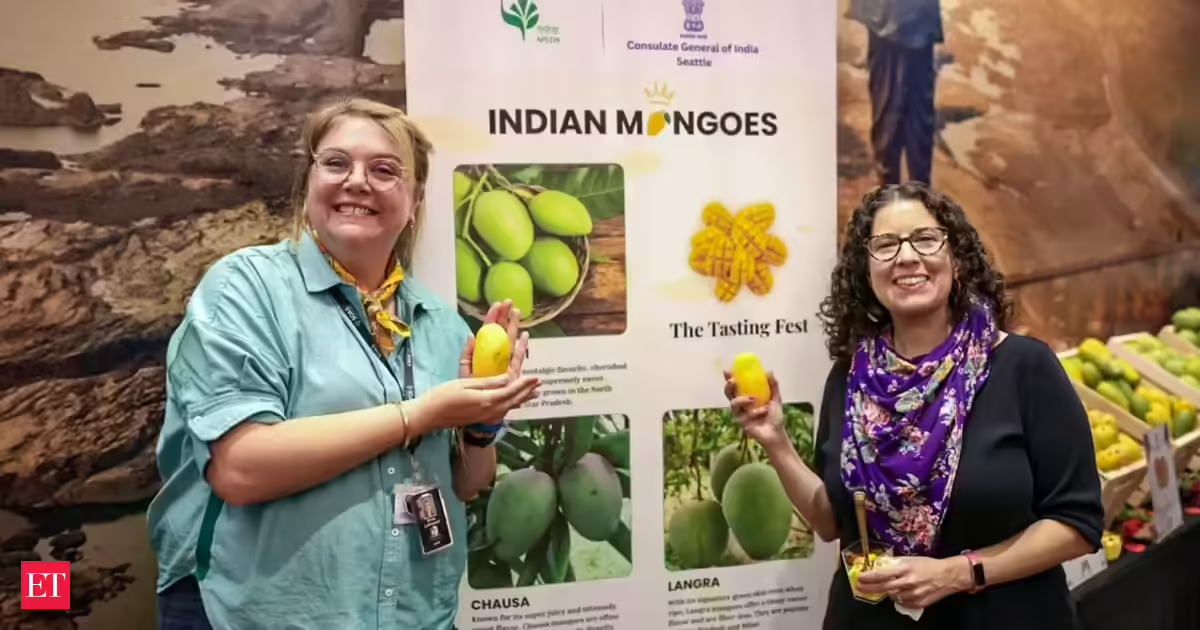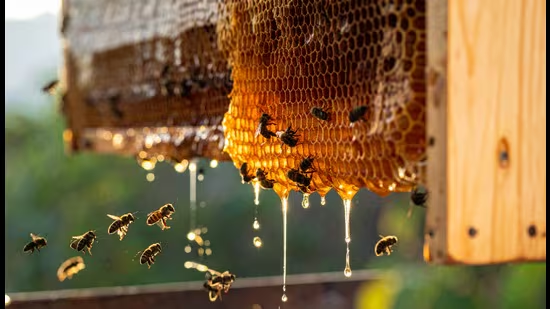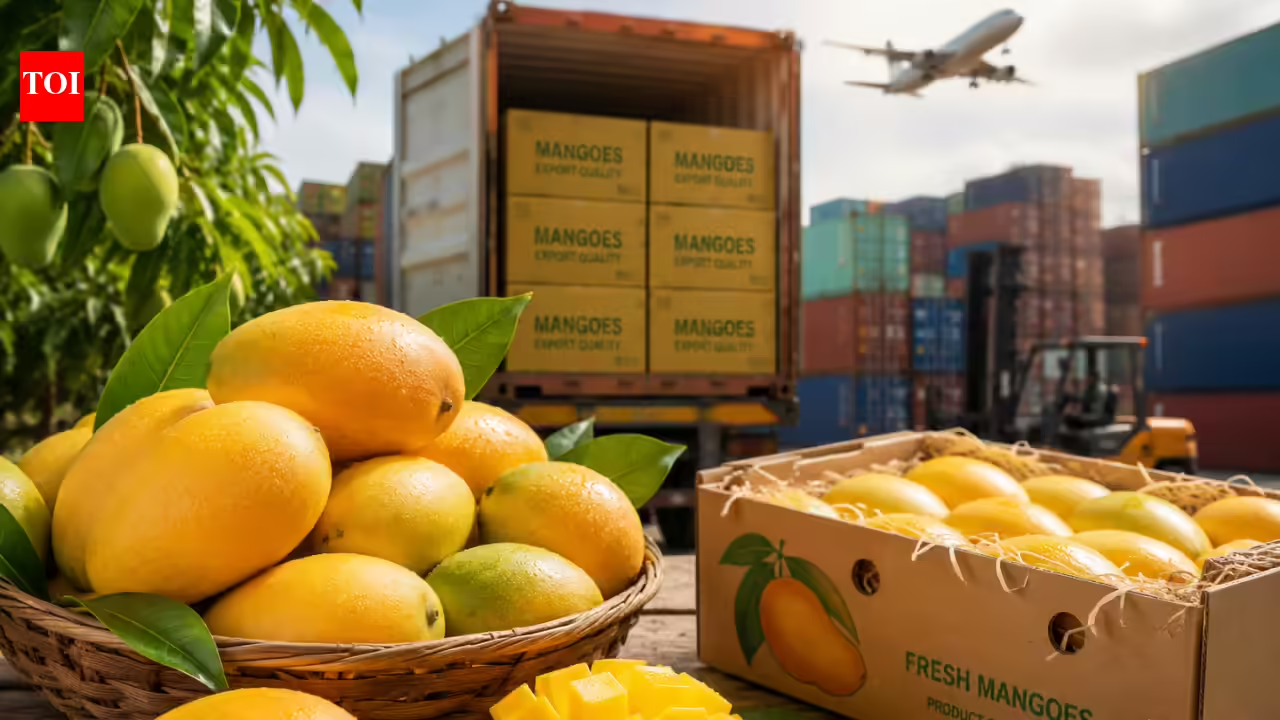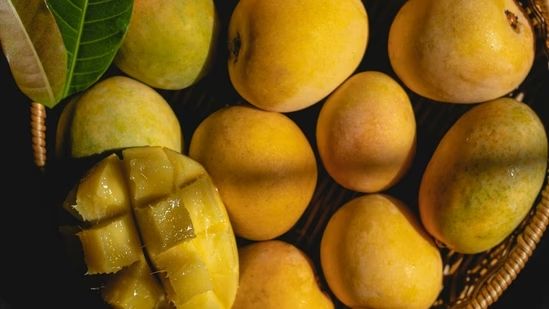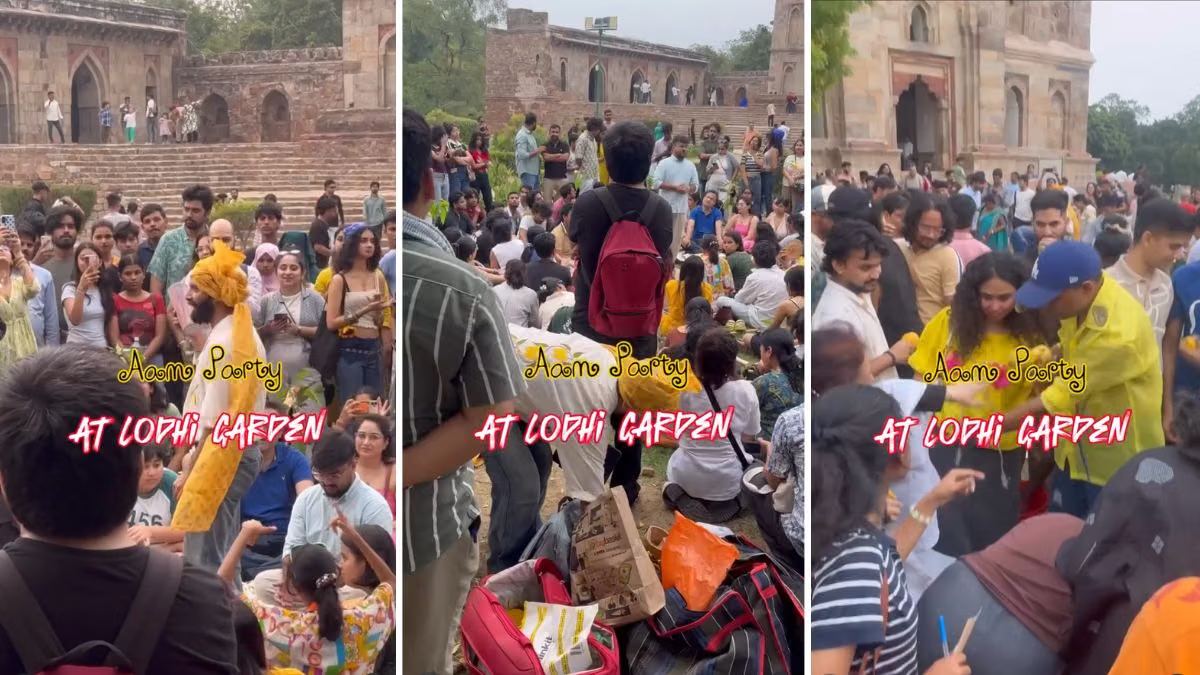
More than a thousand varieties of mangoes exist in India, the popular ones being Banganapalli, Dassheri, Alphonso, Badaami, Imaam Pasandh, and Mulgoa. There is even a “Lalbagh” variety in Bengaluru. Many of us associate the fruit with a summer childhood memory, of eating it with our bare hands, the mango juice dripping on our clothes.More recently, the fruit has become popular on social media platforms, where users explain hundreds of ways to cook and eat it. This year, the fruit’s popularity reached a new height: the red carpet at the Met Gala in New York. Mangoes and Indian summers go hand-in-hand, yet do you know how this fruit comes to be?In other words, the mango tree gives out flowers… and then what happens?Making a mangoBetween December and March every year, mango trees across the country bloom and issue a sweet yet slightly fermented odour. Look closer at a mango tree in this time and you will find a branch with several bouquets of small, cream-coloured flowers. Each branch, which botanists call a panicle, contains a few hundred to up to 10,000 individual flowers. And a single mango tree can carry up to some 3,000 panicles, depending on its size and branching.Each one of these flowers is the start of a mango in the making. Some flowers carry only the male parts while others only the female parts, and sometimes there can be flowers with both (which are biologically called hermaphrodites). Regardless, for the mango to form, pollen must travel between these flowers.
Kingmakers: Meet the insects that make India’s famed mangoes
Discover how vital insects, like bees, play a crucial role in pollinating India's beloved mangoes and their conservation.
TL;DRAI
Non rilevante per Warptech Tech News. Articolo di agricoltura/entomologia, zero contenuto tech: niente AI, software, hardware, startup, business tech, o governance IT. L'accenno finale al riconoscimento governativo dei pronubi è marginale e non tech-focused. Scarta per la newsletter.
1,124 words~5 min read