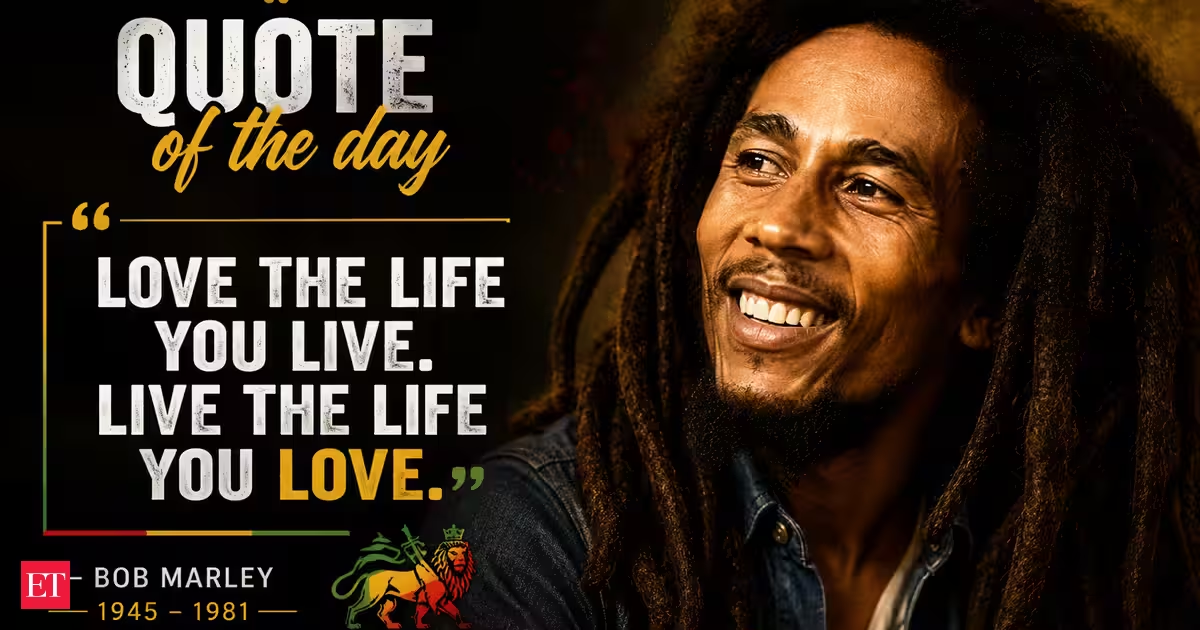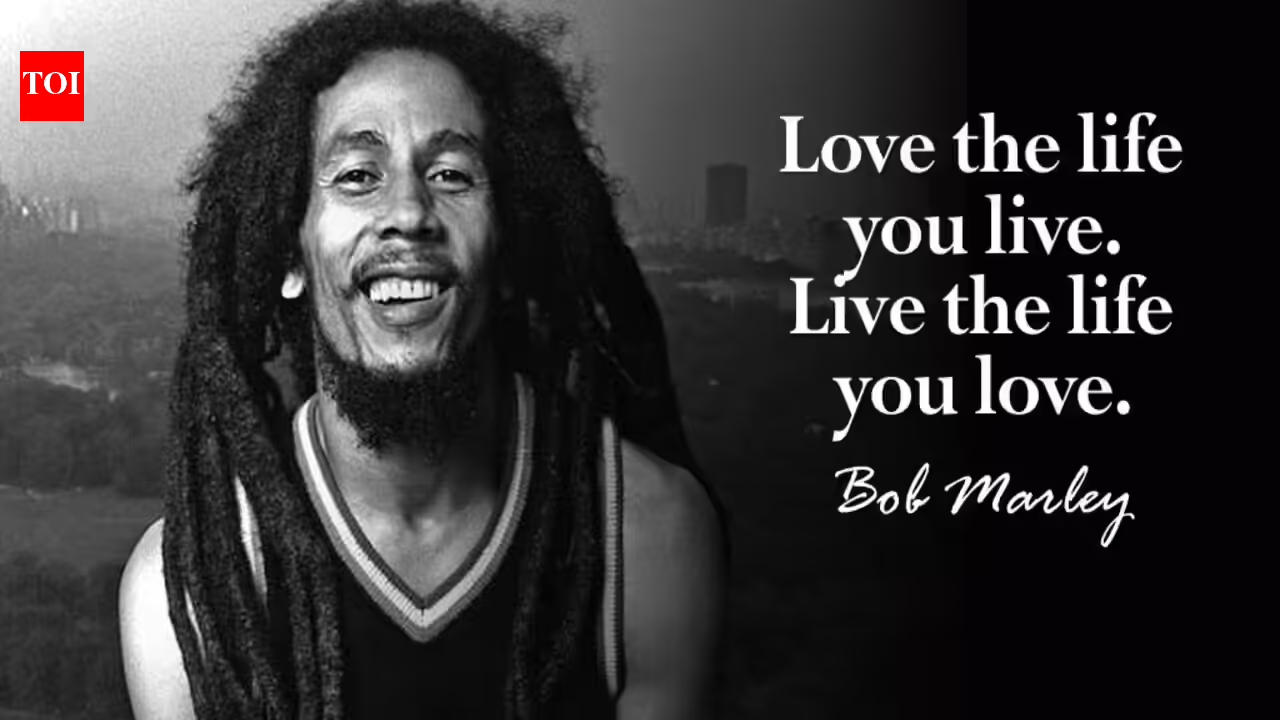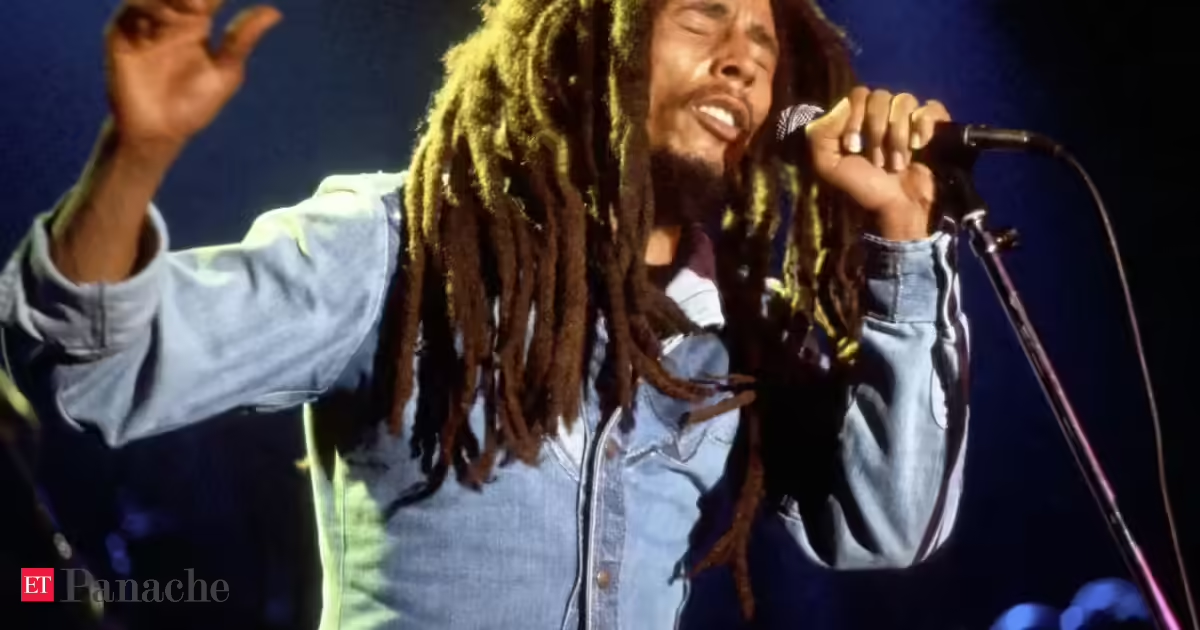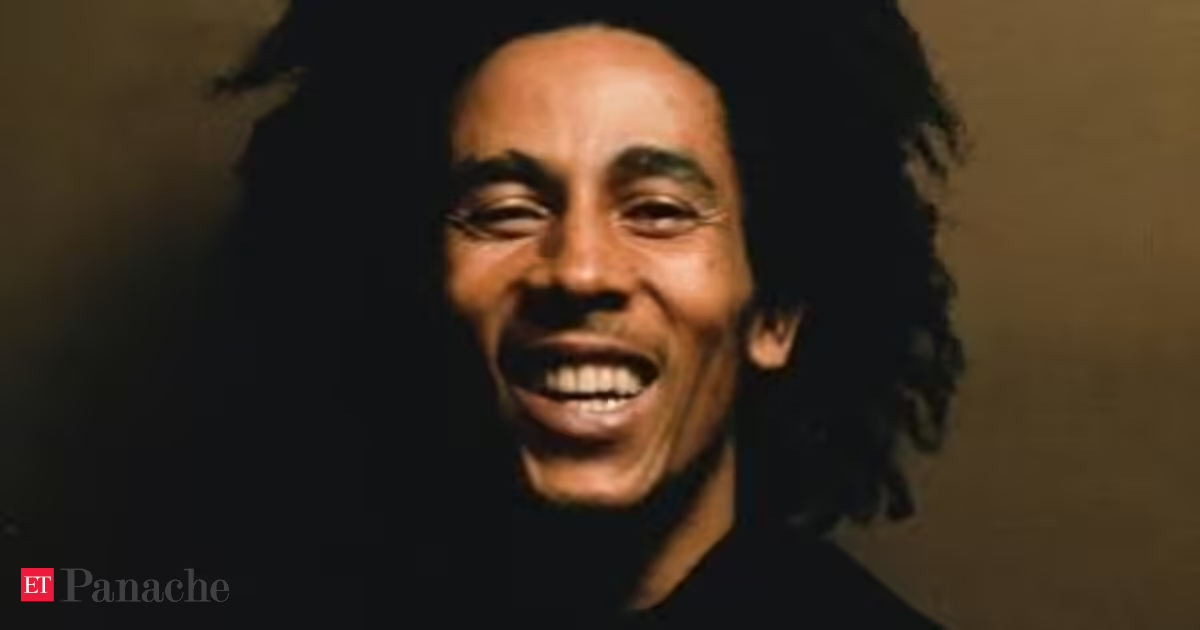
We often spend our lives chasing money, bigger homes and better jobs, believing they are the key to happiness. But legendary reggae singer Bob Marley saw life differently. For him, true wealth was never about what you owned but about how you lived. His famous words continue to inspire people across generations, reminding us that love, peace and meaningful experiences are worth far more than money.The quote that changed the meaning of wealthThe quote, "Money can make you rich? My richness is always life. Live the life you....", comes from a famous 1979 interview with legendary reggae musician Bob Marley.During the conversation, the interviewer asked Marley whether he had earned a lot of money from his music. Instead of giving a direct answer, Marley questioned what "being rich" actually meant.When the interviewer asked if he had made millions of dollars and whether he considered himself a rich man, Marley responded by challenging the idea that possessions define wealth. He asked whether having money in the bank or owning many things truly made someone rich before adding, "Possession make you rich? I don't have that type of richness. My richness is life forever."With that response, Marley shifted the conversation from financial success to something much deeper. Rather than measuring his life through wealth or fame, he believed the true value of life came from experiences, freedom, purpose and the legacy a person leaves behind.What Bob Marley's quote really meansBob Marley's words remind us that true wealth cannot be counted in money, property or luxury possessions. Instead, he believed richness comes from the quality of life we live and the people we share it with.His message suggests that happiness, freedom, good health, love, meaningful relationships and inner peace are worth far more than a large bank balance. While money can certainly make life easier and provide comfort, it cannot guarantee lasting happiness or emotional fulfilment.The quote also encourages people to stop comparing themselves with others based on financial success. Someone may own expensive cars and luxurious homes, but still feel unhappy or disconnected. On the other hand, a person with fewer possessions can feel truly rich if they enjoy peace of mind, good relationships and a meaningful life.The life lesson hidden in the quoteThis powerful exchange teaches that real happiness cannot be bought. It encourages people to look beyond the endless pursuit of money and material success and instead focus on living a meaningful life.Modern society often tells us that success means earning more, buying more and constantly wanting more. Bob Marley challenged that idea by reminding people that chasing possessions alone can leave someone feeling empty.Instead, the quote encourages us to invest our time in building genuine relationships, creating unforgettable memories and becoming the best version of ourselves. These are the things that bring lasting satisfaction.The message feels especially relatable today because many people experience the pressure of hustle culture and constant comparison on social media. Marley's words offer a refreshing reminder that success is not just about what we own but about how we live.His philosophy encourages us to value time, love, health and personal freedom just as much—if not more—than money. Those are the things that continue to enrich life long after material possessions lose their shine.Who was Bob Marley?According to EBSCO, Robert Nesta Marley was born on February 6, 1945, in Jamaica and went on to become one of the most influential reggae singers, songwriters and guitarists in history. Widely regarded as one of the pioneers of reggae music, he introduced Jamaican music to audiences across the world and became a global cultural icon.Marley was admired not only for his distinctive voice and songwriting but also for the strong messages woven into his music. As a devoted Rastafarian, he infused his songs with spirituality while promoting peace, love, equality and social justice. He also became an international symbol of Jamaican culture and identity and was known for speaking openly in support of democratic social reforms.According to the report, throughout his career, Bob released landmark albums such as Exodus, Natty Dread and Survival. Many of his songs carried messages of hope, unity and resilience, helping reggae music reach listeners far beyond Jamaica.Despite facing personal hardships and later battling skin cancer, Marley continued making music that inspired generations. He died on May 11, 1981, at the age of 36. His influence extends far beyond reggae, with artists across genres continuing to draw inspiration from his music, message and fearless outlook on life.
Quote of the day by music legend Bob Marley: 'Money can make you rich? My richness is always life. Live the life you....' - An important reminder that life's greatest wealth is not money by Three Little Birds, Is This Love singer
Bob Marley once shared that being rich is not about having lots of money or expensive possessions. In a famous 1979 interview, he said that real wealth comes from living a meaningful life filled with love, peace, happiness and good relationships. His simple yet powerful message continues to inspire people around the world, reminding them that the best things in life cannot be bought with money. Read on!
742 words~3 min read