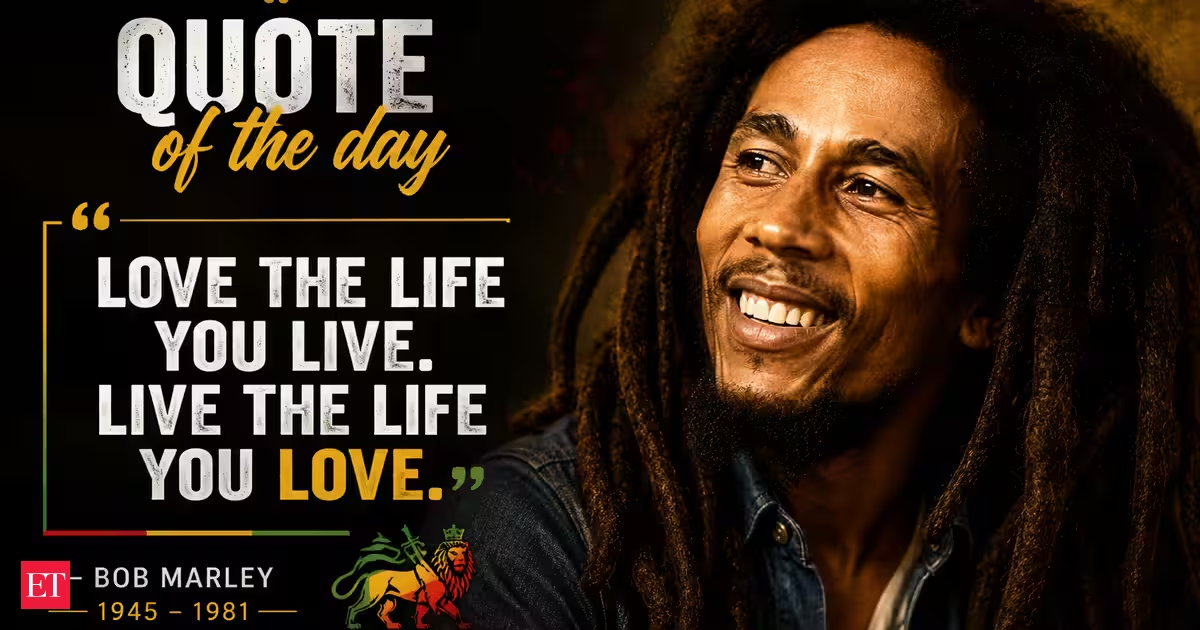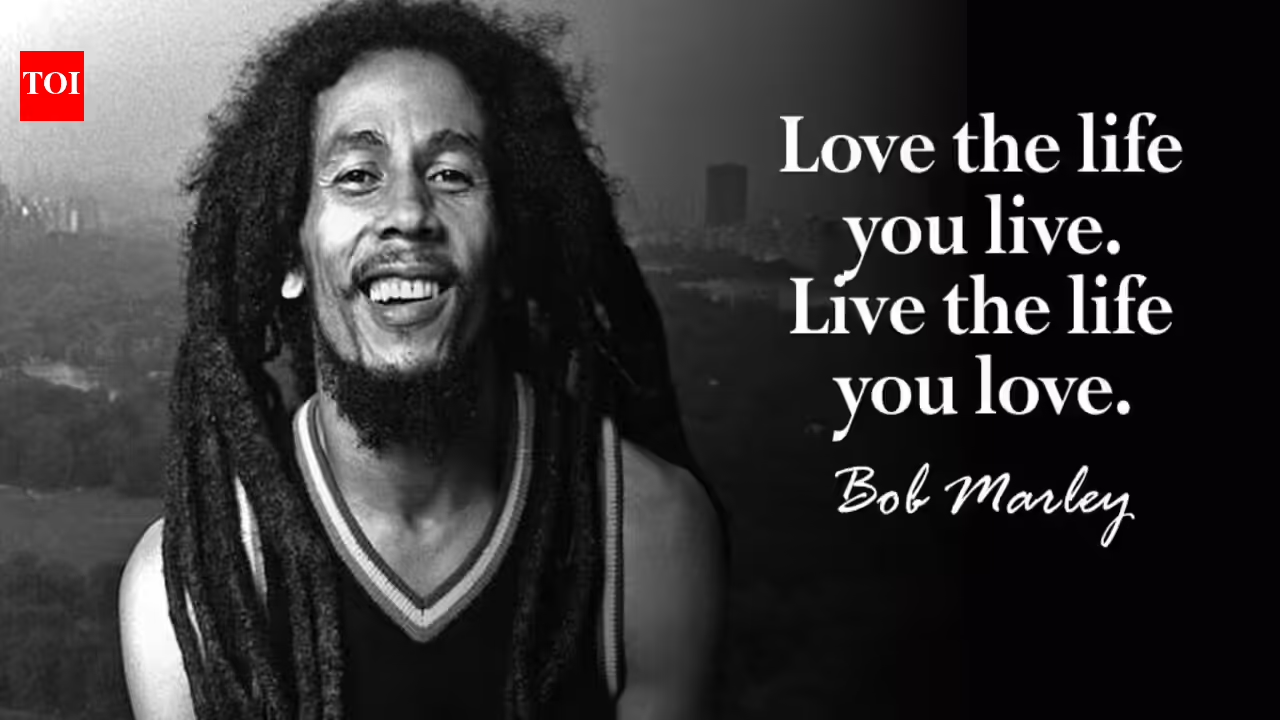
In a world obsessed with achievements, social media milestones and the constant race to keep up with others, one question from Bob Marley continues to skip the fluff decades later. It is simple, direct and surprisingly difficult to answer honestly. The reggae icon's words invite people to pause, step away from distractions and take a closer look at their own lives. More than just a memorable lyric, the quote remains a powerful reminder that true happiness begins with self-awareness and an honest conversation with yourself.The quote and where it comes fromThe quote, "Open your eyes, look within. Are you satisfied with the life you're living?", comes from Bob Marley's iconic 1977 song Exodus.Widely regarded as one of the greatest songs in reggae history, Exodus is the title track of Bob Marley's landmark album of the same name. Over the years, the song has become much more than a popular musical hit. It has been embraced as a message of hope, awakening and transformation by listeners across generations.Unlike many inspirational quotes that are detached from their original context, these words are deeply connected to the larger themes explored throughout Exodus. The song encourages people to wake up to reality, examine their lives honestly and move toward a future that aligns with their deepest beliefs and aspirations.What does the quote mean?To summarise, the quote is a call for self-reflection.When Marley says "open your eyes," he is urging listeners to become aware of the realities around them instead of moving through life on autopilot. The next phrase, "look within," shifts the focus inward. Rather than seeking approval from society, friends or material success, the lyric asks people to examine their own thoughts, values and emotional well-being.The final question, "Are you satisfied with the life you're living?," is where the quote becomes especially powerful. It challenges individuals to evaluate whether their current choices, habits and priorities truly reflect who they are and what they want from life.The message is not about judging oneself harshly. Instead, it encourages honesty. If the answer is yes, the quote serves as a reminder to appreciate that fulfillment. If the answer is no, it becomes an invitation to make meaningful changes.The lesson Bob Marley wanted listeners to learnOne of the most important teachings behind the quote is that genuine fulfillment comes from internal alignment rather than external achievements.Many people spend years chasing goals that have been defined by others, whether it is status, wealth, recognition or social approval. Marley's words encourage listeners to pause and ask whether those pursuits are actually bringing happiness.The lyric also talks about personal accountability. It reminds people that they have the power to shape their lives and make different choices when necessary. Rather than blaming circumstances or waiting for change to happen, the quote encourages individuals to take ownership of their path.In that sense, the message remains remarkably relevant today. It serves as a reminder that regular self-examination is essential if we want to live authentically rather than simply meeting the expectations placed upon us by others.The remarkable story behind ExodusThe impact of the quote becomes even more meaningful when viewed in the context of the song itself.Exodus was written during one of the most turbulent periods of Bob Marley's life. In 1976, Marley survived an assassination attempt in Jamaica amid growing political tensions. Following the attack, he left the country and relocated to London.It was during this period of exile that he created Exodus.According to ResearchGate December 2019 report, the song draws heavily from the biblical story of Moses leading his people out of Egypt. Marley transformed that narrative into a broader message about freedom, liberation and the search for a better future. On one level, the song reflected his own journey away from violence and instability. On another, it became a rallying cry for people facing oppression, injustice and social inequality around the world.Driven by a powerful reggae rhythm and a sense of forward movement, Exodus encouraged listeners to leave behind what was holding them back and move toward a place of hope and possibility.How Exodus helped make Bob Marley a global iconThe song quickly became one of Marley's defining works and played a major role in turning him into an international superstar.More than just a commercial success, Exodus evolved into a symbol of resistance, unity and spiritual liberation. The song's influence remains strong nearly five decades later, continuing to inspire conversations about identity, freedom and personal growth.Who was Bob Marley?According to an EBSCO report, Bob Marley was born Robert Nesta Marley in Jamaica in 1945 and went on to become one of the most influential figures in music history. He was born to a white father and a Black mother, an experience that helped shape his identity and worldview. Marley began his musical journey as a teenager and eventually rose to prominence with his band, The Wailers. As reggae music gained international popularity during the 1970s, Marley emerged as its most recognisable global ambassador.Marley released several landmark albums, including Natty Dread, Exodus and Survival. Many of his songs carried messages of love, resilience and hope, helping him build a legacy that extended far beyond entertainment.Despite facing significant health challenges, including a battle with skin cancer, Marley continued to perform and create music. He passed away in 1981 at the age of 36, but his influence has only grown over time.Today, the singer behind classics such as No Woman, No Cry, One Love and Exodus remains a cultural icon whose words continue to inspire millions.
Quote of the day by Bob Marley: 'Open your eyes, look within. Are you satisfied with the life you're living?' - A timeless lesson on purpose, fulfilment and self-discovery by Exodus, No Woman, No Cry singer
Bob Marley's timeless words from his song Exodus urge introspection. The reggae legend's query invites listeners to examine their lives and find true contentment within. This powerful message, born from a turbulent period in Marley's life, continues to resonate globally. Read on to know why it feels relatable.
913 words~4 min read