I was staring at a 200 OK response that contained exactly zero data. Just a skeleton, a loading spinner, and a silent prayer to the HTML gods.
If you have ever tried to build an agentic workflow where Claude or Cursor reaches out to a modern web endpoint using standard HTTP requests, you've hit this wall. The request is successful. The connection is solid. But inside that payload? Nothing but a <div id="app"></div> and some heavy-duty React bundles waiting for hydration.
The problem isn't the LLM or your prompt. The problem is your toolset assumes the web is still made of static HTML files served from 2005. We aren't in that world anymore. We live in an era of complex, stateful, client-side rendered single-page applications (SPAs) where the data you actually want doesn't even exist until a JavaScript loop finishes executing and populates the DOM.
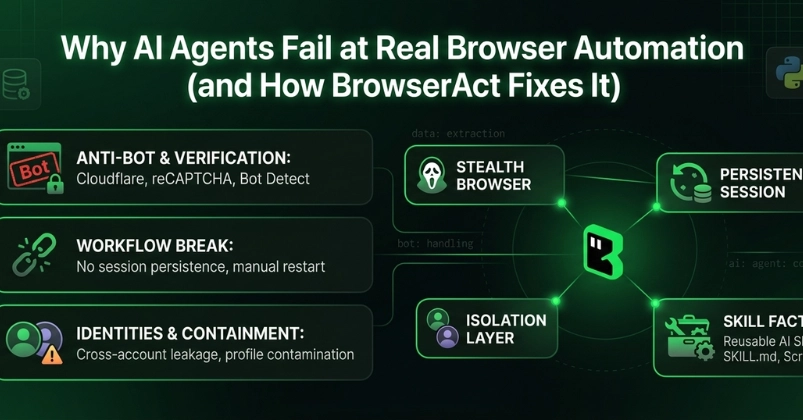
When people talk about 'giving AI agents hands,' they usually think of simple API integrations or basic web scrapers. But if those hands can only hold a static snapshot, they are useless against 90% of the modern web. To actually automate anything meaningful—QA testing, competitive pricing intelligence, or real-time data extraction—your agent needs more than an HTTP client. It needs a browser engine.