Moffat Takadiwa’s installation at Art Basel—painstakingly assembled from the debris of consumer culture—reflects both contemporary ingenuity and how far art has moved from immediate aesthetic force. Okechukwu Uwaezuoke argues
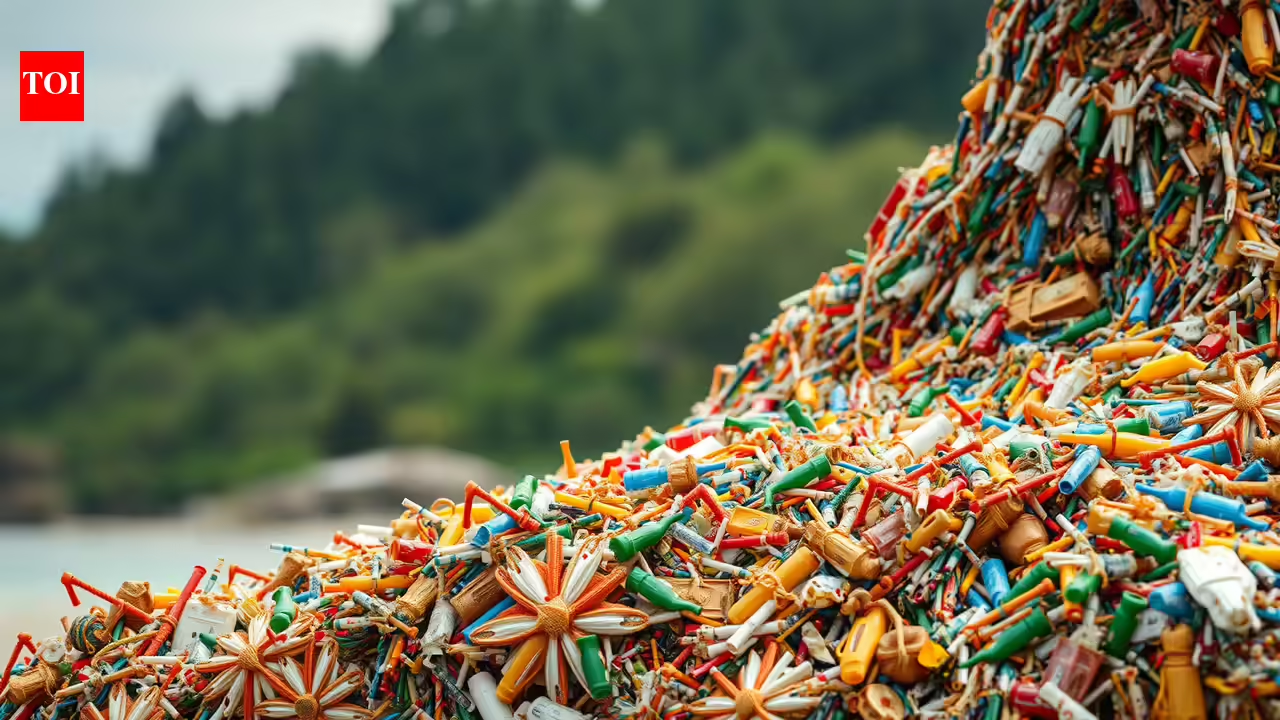
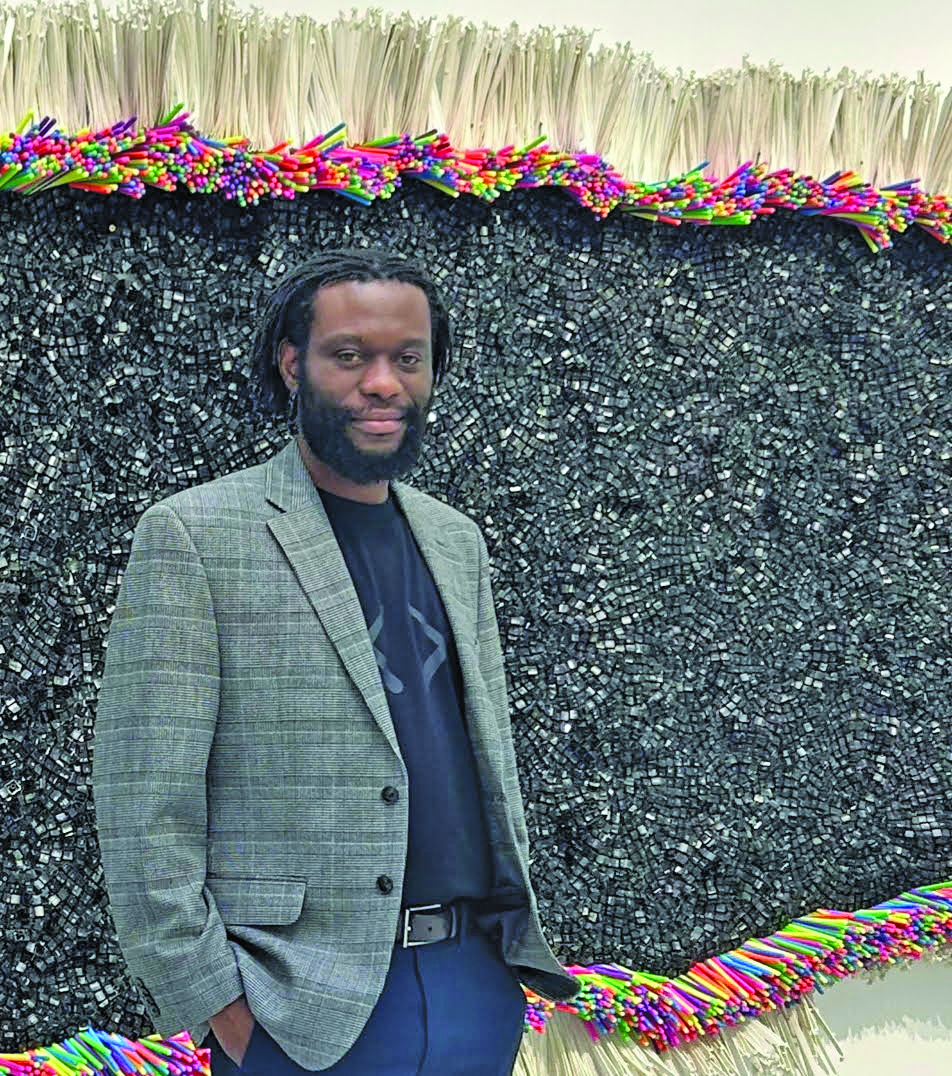
Among the works that drew attention at the just-concluded Art Basel—judging by SMO Contemporary’s Instagram feed—was Zimbabwean-born Moffat Takadiwa’s “The Water Vessels”. Takadiwa’s approach is by now familiar: he gathers the discarded remnants of consumer life—keyboard keys, bottle tops, toothbrushes and plastic fragments—and arranges them into dense, wall-filling compositions where material excess is corralled into meticulous order.
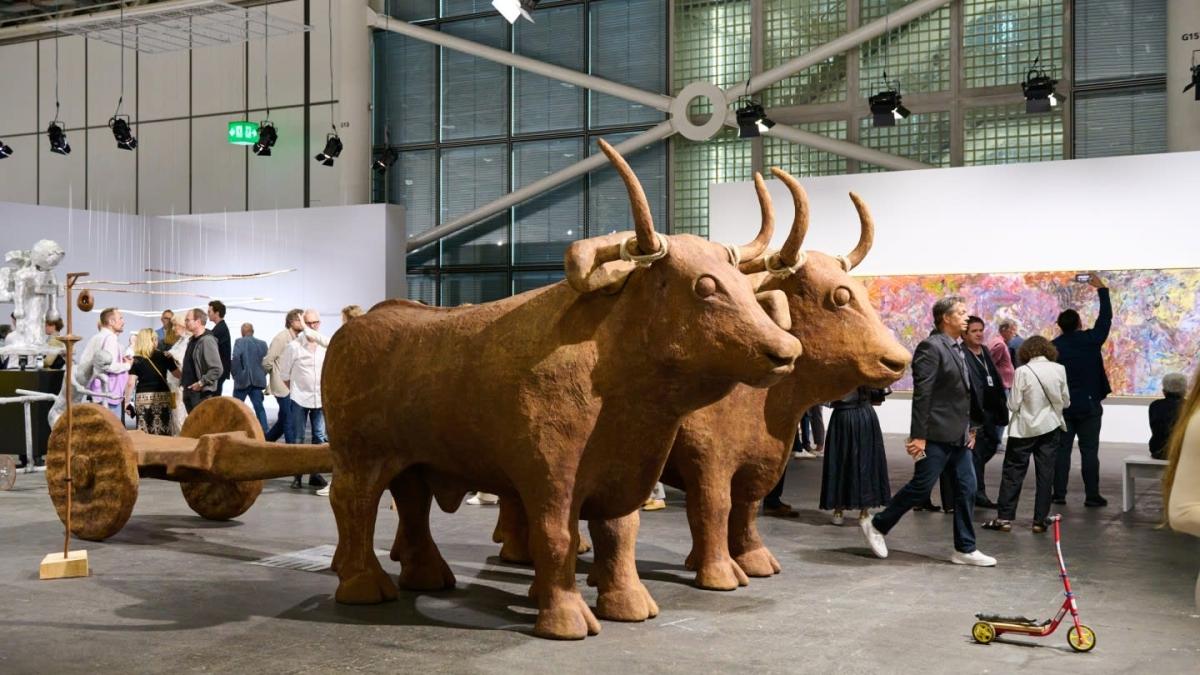
Speaking of Art Basel, its flagship fair in Switzerland took place, as usual, at Messe Basel from June 18 to June 21. The fair brought together 290 galleries from 43 countries, alongside the monumental Unlimited installations and Parcours presentations. Few fairs carry comparable weight. With editions in Paris and Miami Beach, it operates as a key circuit point in the global art market.
Seen up close, Takadiwa’s work holds its attention differently. The labour is undeniable; the patience it demands is evident. A viewer easily discerns the hours upon hours of sorting, arranging, fixing. There is something almost obsessive in the way the fragments are arranged into surfaces that shimmer with accumulation. It explains why the work moves easily through biennales and fairs: it holds the eye without resistance.