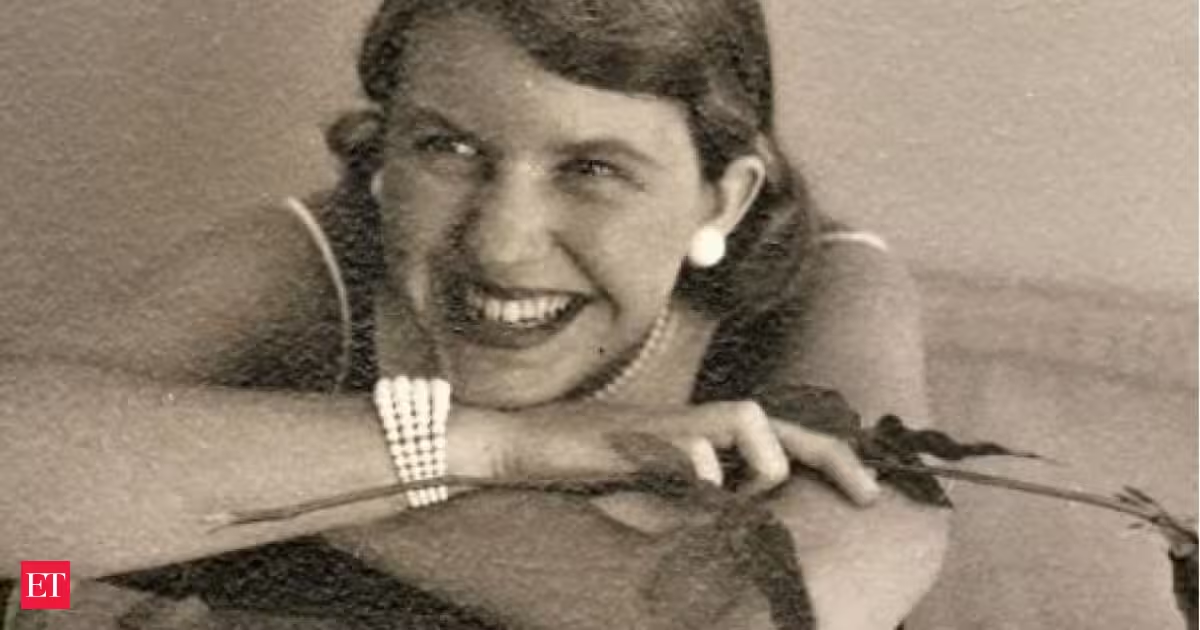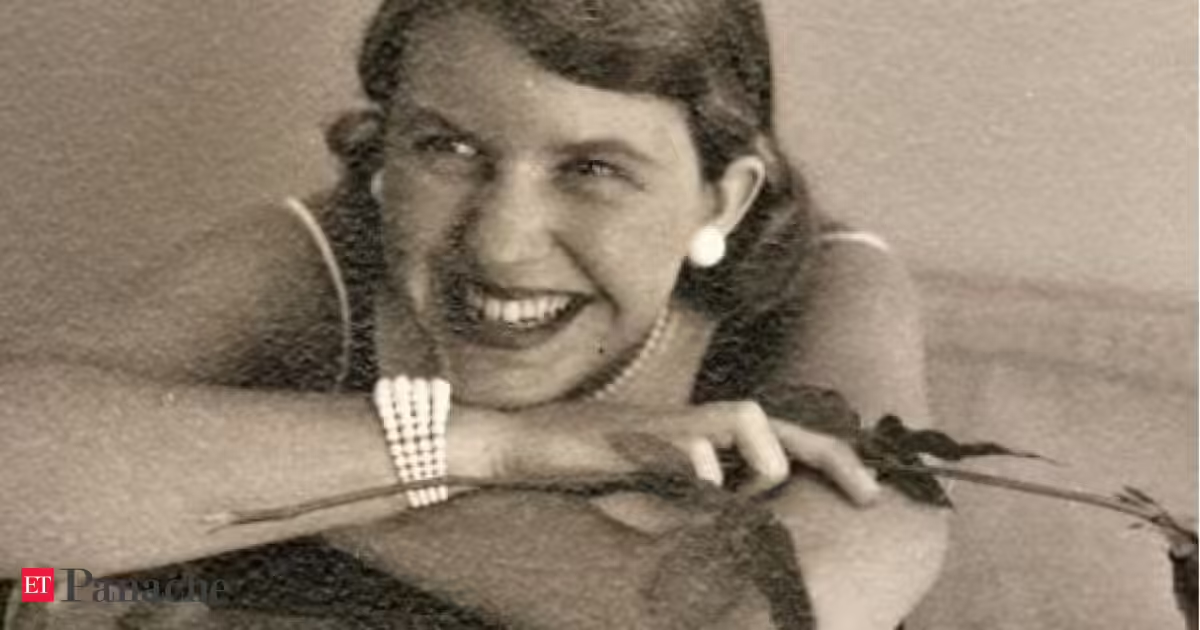
It is extremely difficult to stay rooted in the present, without the ghosts of the past haunting us, or dreams of the future distracting us. Years ago, poet Sylvia Plath reminisced how challenging it was for people to prioritise the present without being bothered by pangs of regret of what could have been and daydreams of the future. Ultimately, being preoccupied with both past and future can ruin the present. Quote Of The Day By Sylvia PlathIn The Letters of Sylvia Plath, Volume I: 1940–1956, the poet reflected: “The hardest thing, I think, is to live richly in the present, without letting it be tainted & spoiled out of fear for the future or regret for a badly-managed past.”Deeper Meaning Of The QuoteThe quote reminds us that embracing the present and accepting it can be extremely challenging for most people. Many people allow anxiety about what might happen tomorrow or lingering regrets over yesterday’s mistakes to overshadow today’s joys. True fulfillment comes from appreciating what we have now, learning from the past without living in it, and preparing for the future without becoming consumed by it.Relevance Of The QuoteThe quote is a timeless piece of advice for people no matter what era they belong to, as the struggle not to be preoccupied with the past and be obsessed with the future and neglect the present, is a bad habit humanity has grappled with, since time immemorial. The quote encourages us to focus on the only moment we truly control—now. While it is wise to learn from past experiences and prepare for what lies ahead, neither should steal the joy of today.Who Was Slyvia Plath?One of the greatest poets in America, Plath was known for popularising confessional poetry. She is known for works such as The Bell Jar, Ariel, and The Colossus & Other Poems. Plath displayed a talent for poetry at a very young age. She achieved her first literary milestone when one of her poems appeared in the children's section of the Boston Herald at just eight years old. Over the following years, her poems continued to be featured in several local newspapers and regional magazines, reflecting her growing reputation as a young writer. By the age of 11, she had also developed the habit of maintaining a personal journal, a practice that later became central to her writing life. Alongside her literary achievements, Plath excelled in visual art, earning recognition through the Scholastic Art & Writing Awards in 1947 for her outstanding paintings.The Bell Jar, a semi-autobiographical novel faced initial resistance from her mother, who reportedly attempted to prevent its publication. As a result, the book was first released in the United Kingdom in 1963 under the pen name Victoria Lucas. It was later published under Plath's own name in 1966, while American readers did not receive an edition bearing her real name until 1971. Over the decades, The Bell Jar has become a modern literary classic, selling more than three million copies worldwide. In 1979, the novel was adapted into a feature film directed by Larry Peerce, with Marilyn Hassett portraying the protagonist, Esther Greenwood.Plath was married to British poet Ted Hughes. They had a tumultuous marriage and in a letter to her therapist, Plath implied he subjected her to domestic abuse. Plath died by suicide in 1963. She was only 30.
Quote of the day by The Bell Jar writer Sylvia Plath: 'The hardest thing, I think, is to live richly in the present, without letting it be tainted...' ; life lessons on staying rooted in our present from American poet
Poet Sylvia Plath's timeless wisdom highlights the struggle to live fully in the present, unburdened by past regrets or future anxieties. Her words, penned decades ago, resonate today, reminding us that true fulfillment lies in appreciating the now. This enduring message encourages focusing on the present, the only moment we truly control, while learning from yesterday and preparing for tomorrow without letting them overshadow today's joys.
555 words~3 min read