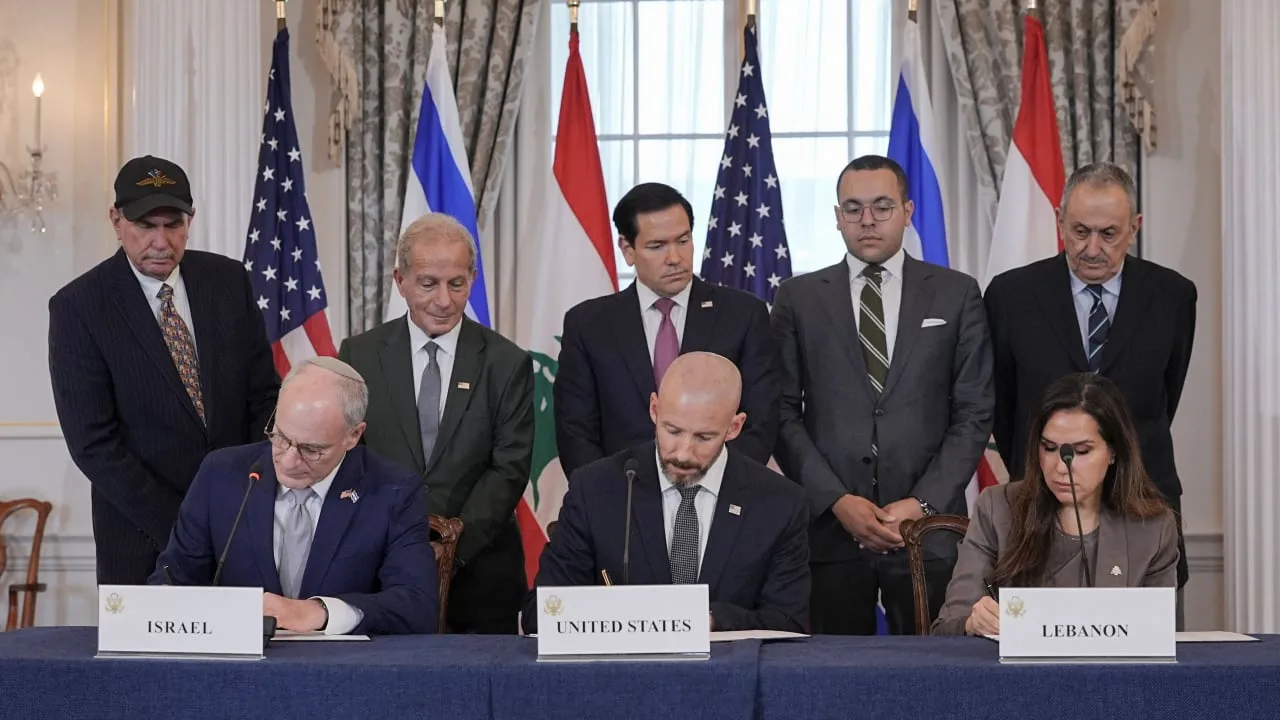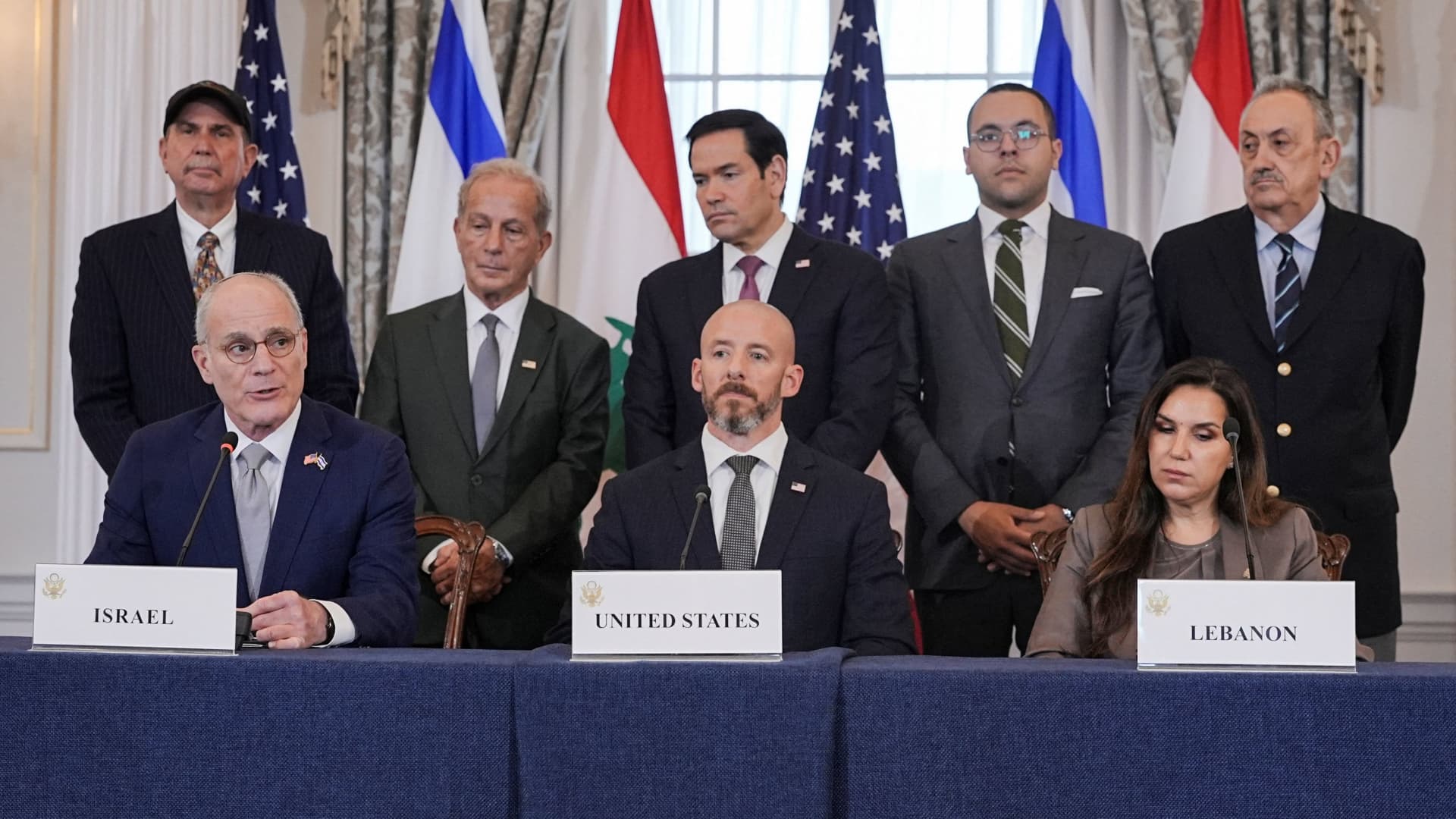
Share to FacebookShare to XArticle printing is available to subscribers onlyPrint in a simple, ad-free formatSubscribeComments: Zen reading is available to subscribers onlyAd-free and in a comfortable reading formatSubscribe12:00 AM • June 28 2026 IDTThe tripartite framework agreement signed in Washington on Friday by the ambassadors of Israel and Lebanon and by Dan Holler, a counselor to the secretary of state, raises many questions, but one thing is clear: The Trump administration is talking in two voices and operating along two conflicting paths. In the NewsThe New Israel-Lebanon Deal Contradicts the U.S.-Iran Memorandum. Now What?Northern Israel Mayors Welcome Lebanon Deal, but Doubt Hezbollah DisarmamentIsrael Admits State-religious Schools Are Better Subsidized Than Secular OnesNearing 1,000 Days Since Oct. 7, anti-Netanyahu Gov't Rallies Held Across IsraelHezbollah Chief Rejects Israel-Lebanon Deal, Pushes for Full IDF WithdrawalRemembering and rebuilding two years laterICYMIAs the World Watched Gaza, Israeli Settlers Charged Ahead in the West Bank. A Clash Is ImminentWhere Does Andy Burnham Stand on Israel and Palestine?Israel, the Country We Love, the Country We're Ashamed OfDonald Trump Has Fulfilled My Dream: For Israel to Pay for Its ActionsIsraeli Killed in Montreal Attack, Shooter Allegedly Linked to Incel IdeologyNetanyahu, Rein in Attack Dogs Targeting Trump
Analysis • The new Israel-Lebanon deal contradicts the U.S.-Iran memorandum. Now what?
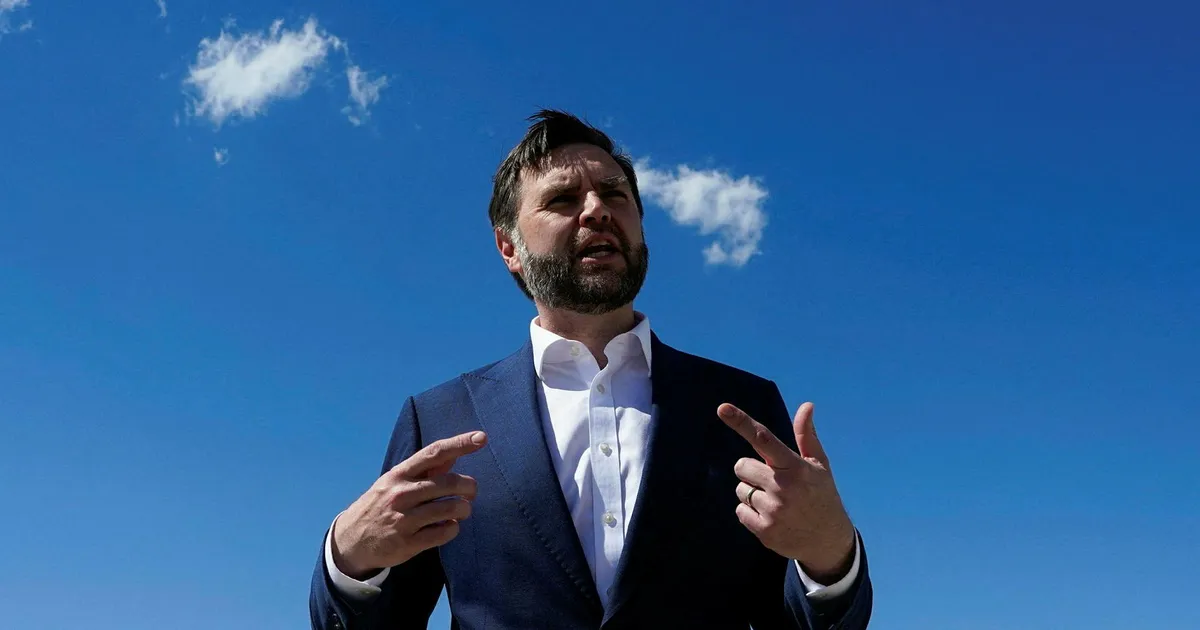
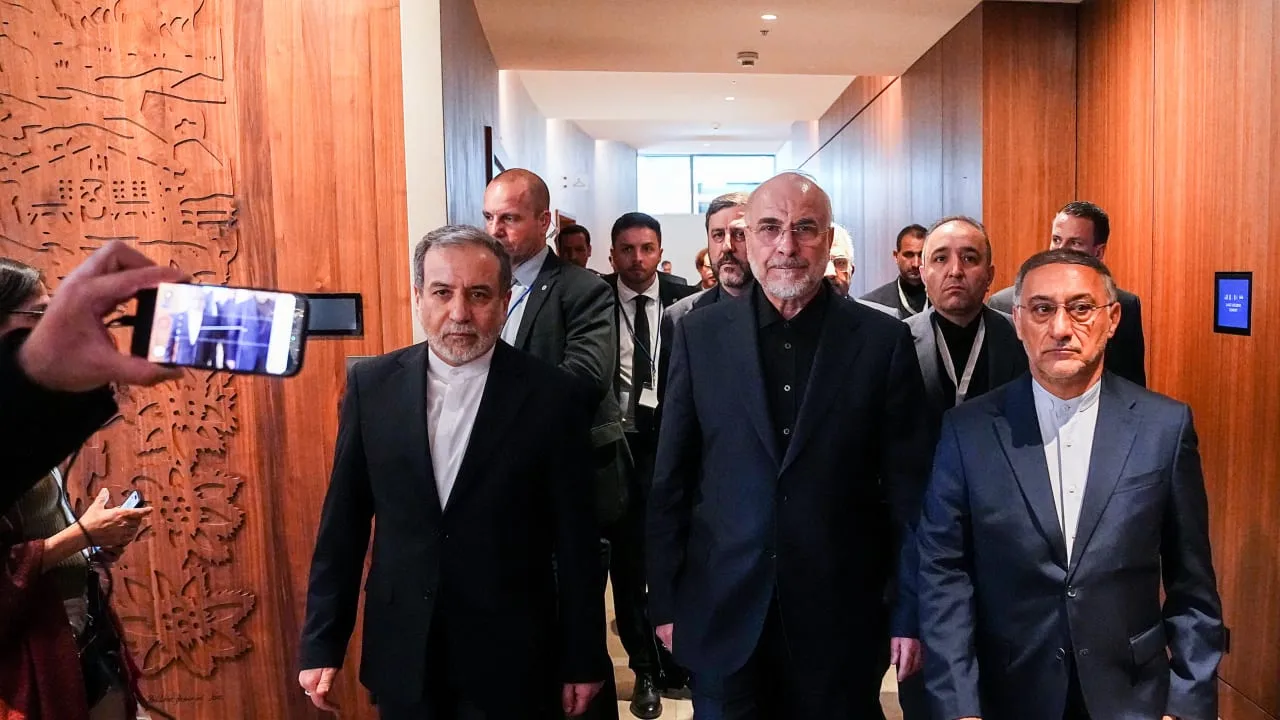
Two deals backed by the Trump administration diverged into different strategies. Rubio's deal sees Iran and Hezbollah sidelined from the regional arena. Vance's Switzerland MoU brings Iran and Hezbollah to center stage. Will one cancel the other, bringing all sides to a total standstill?
199 words~1 min read