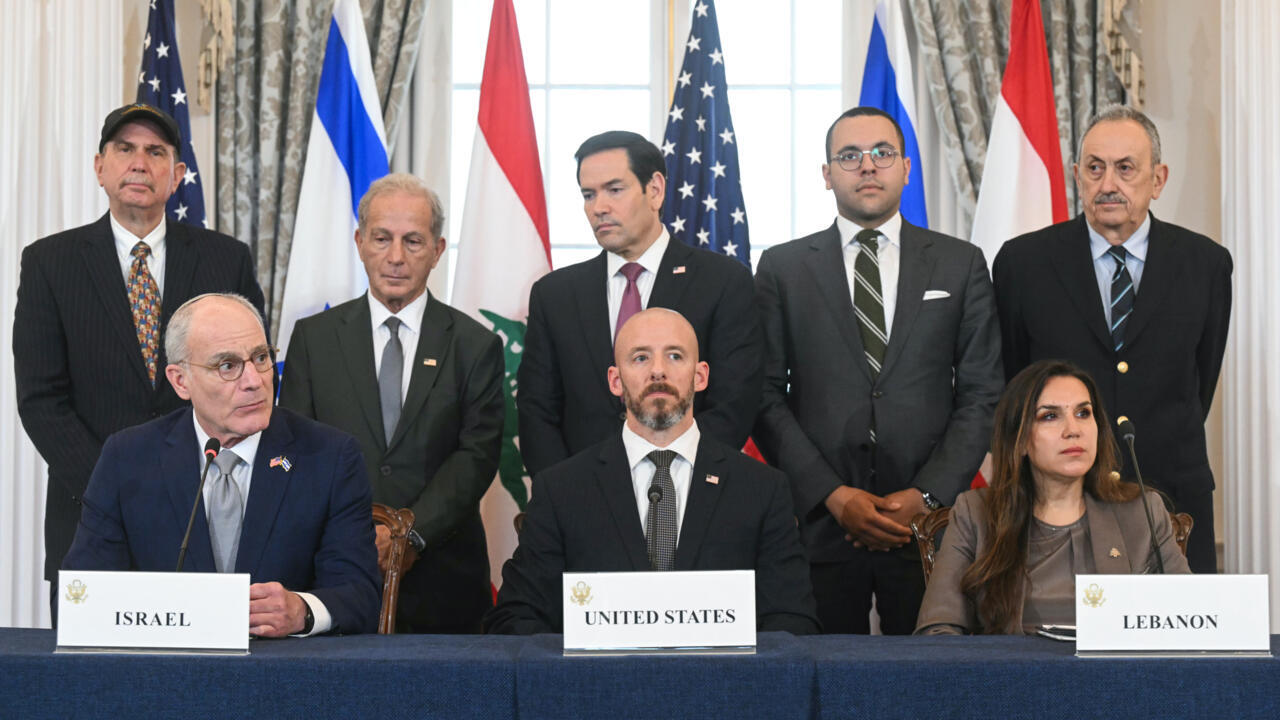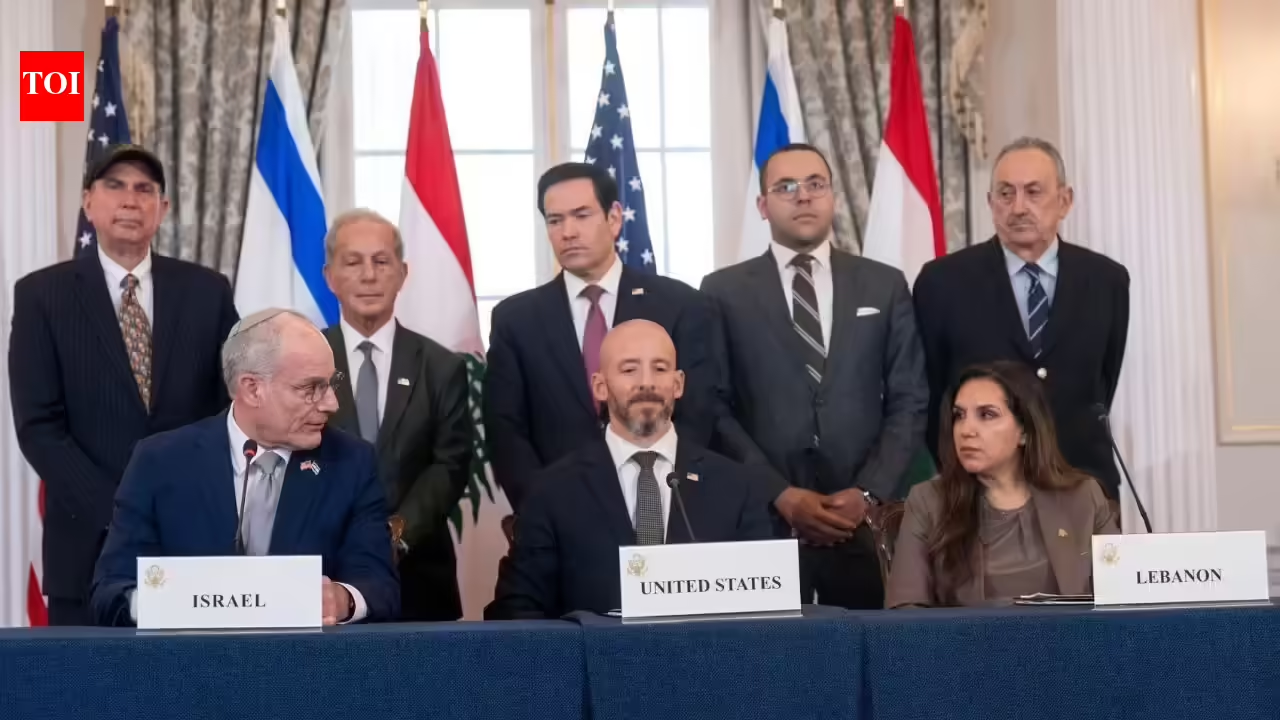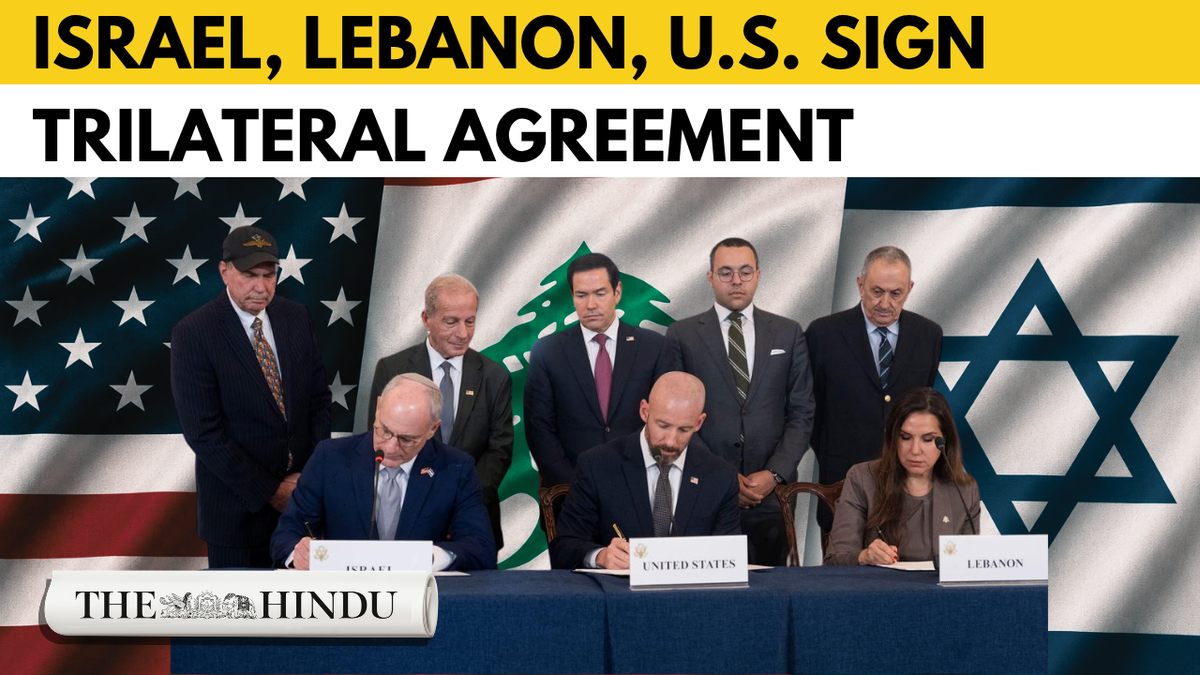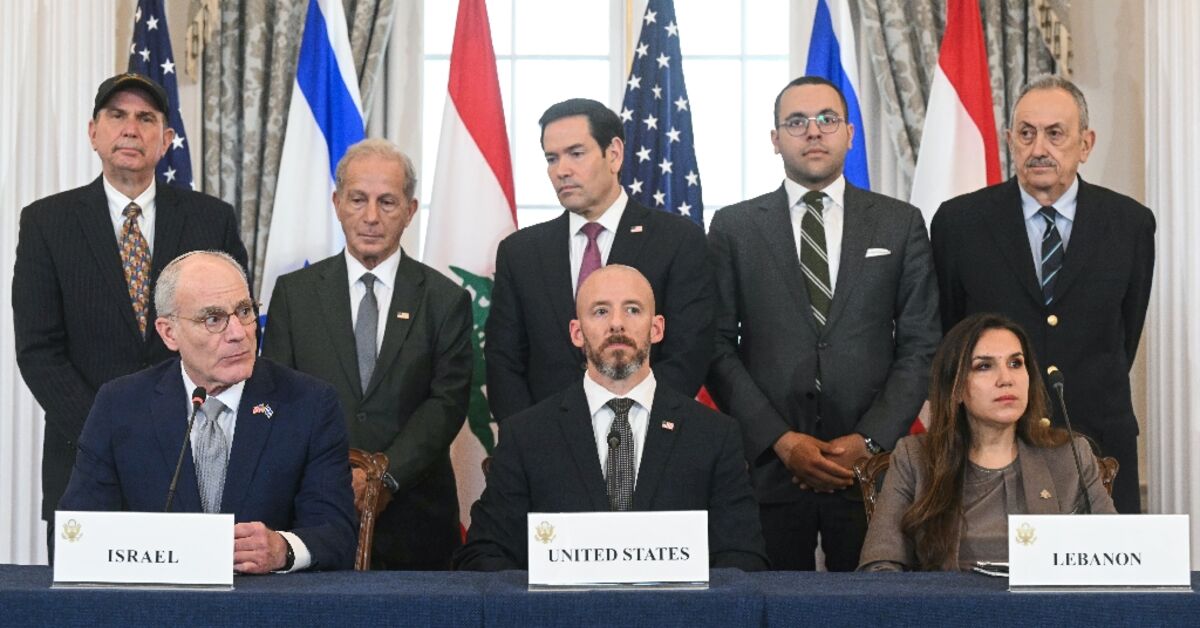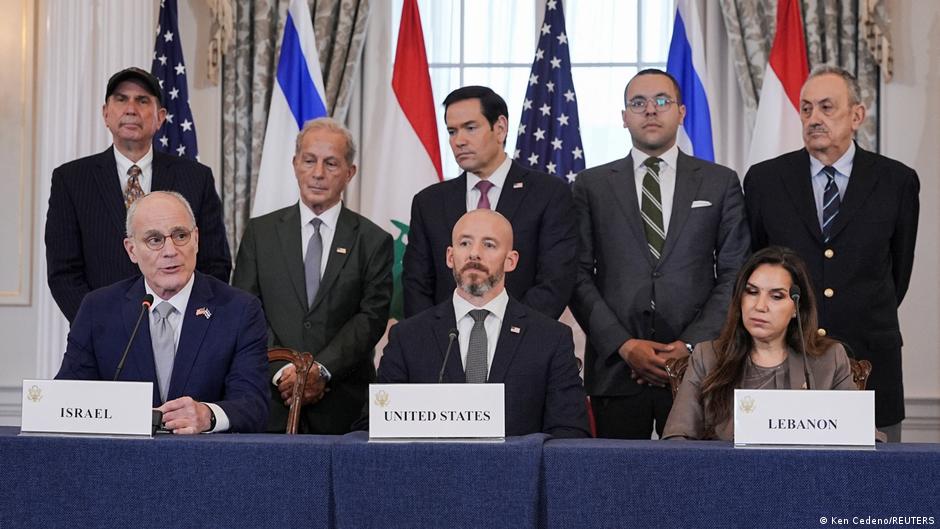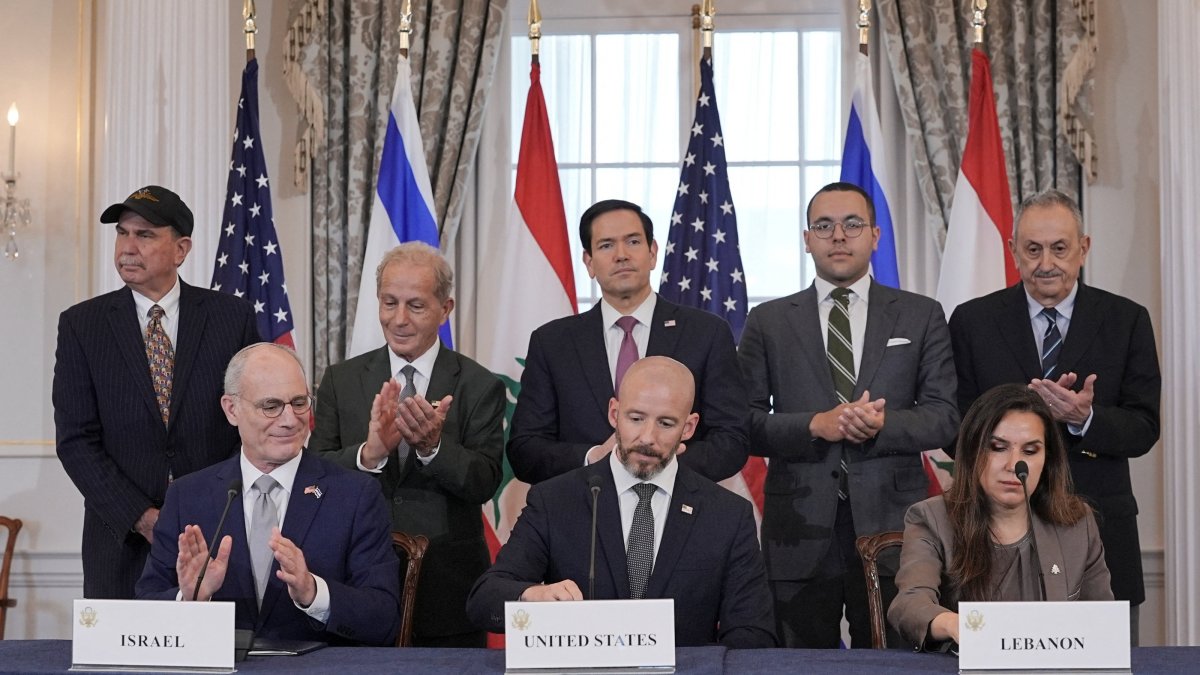
The US announced a trilateral framework agreement between Israel and Lebanon in early June 2026, with Secretary of State Marco Rubio front and center for the announcement. His summary of where things stand was characteristically measured: “There is a lot of work ahead.”
What the agreement actually says
Israel’s Ambassador to the US, Yechiel Leiter, described the framework as “performance-based,” meaning the agreement’s survival depends entirely on whether the parties follow through.
The talks, which began following a ten-day cessation of hostilities starting April 16, 2026, have focused on buffer zones, securing territory south of the Litani River, and curbing Hezbollah’s operational capacity in southern Lebanon. The Lebanese government is central to the arrangement, with the framework hinging on Beirut reasserting control over territory that Hezbollah has effectively governed for years.
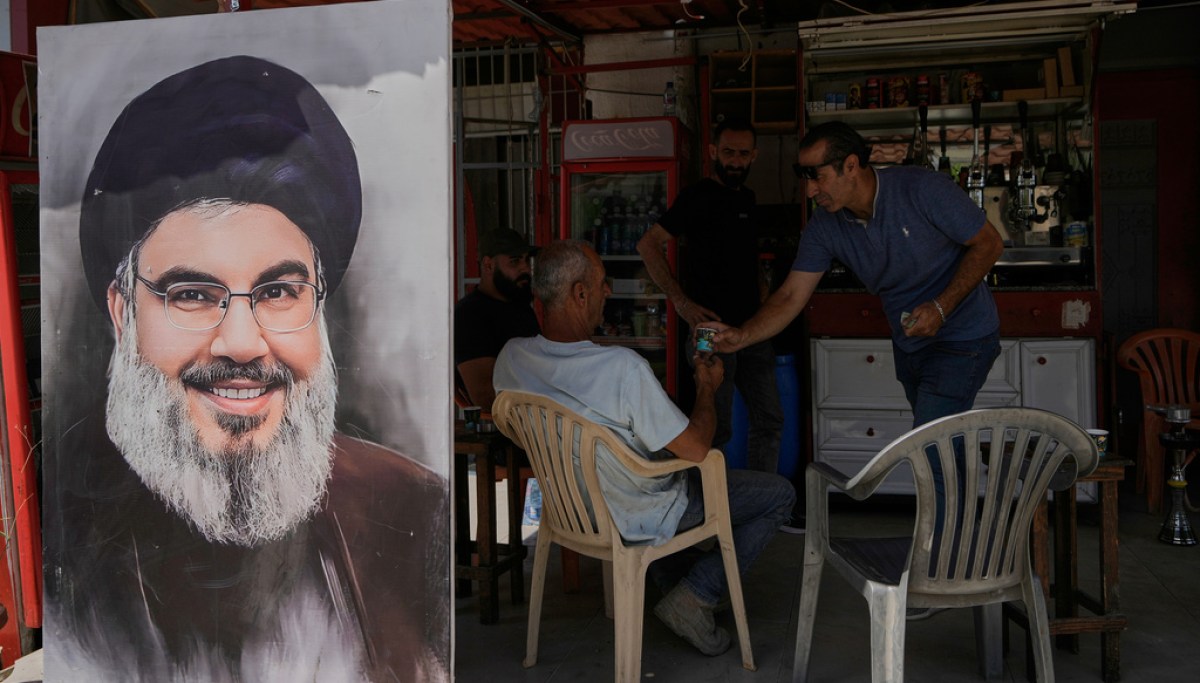
Hezbollah has rejected the ceasefire terms outright, specifically the provisions that would require its forces to withdraw. The group is insisting on an unconditional exit of Israeli forces from Lebanese territory first, a condition Israel has shown no willingness to accept.