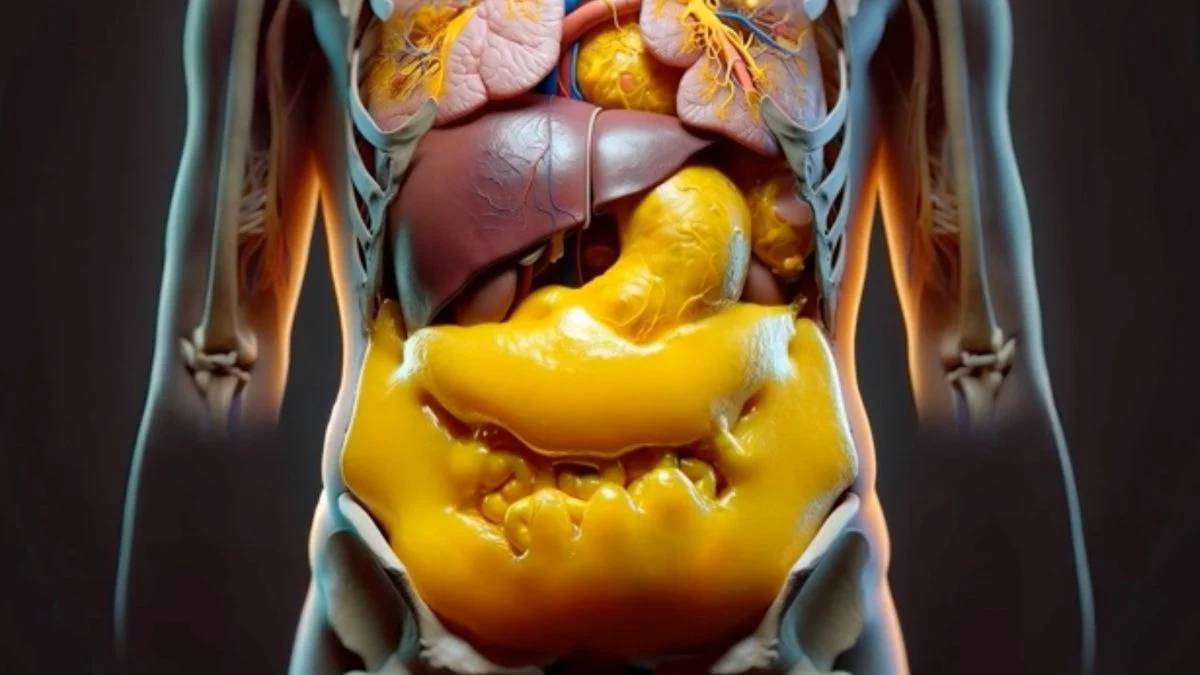
Many people notice a familiar change as they get older: the waistline gradually expands, even when overall body weight does not change dramatically. This increase in abdominal fat is more than a cosmetic concern. Excess belly fat has been linked to slower metabolism, accelerated aging, type 2 diabetes, heart disease, and other chronic health problems.
Scientists have long known that body composition changes with age, but exactly why fat tends to accumulate around the midsection has remained unclear.
Now, researchers at City of Hope have identified what may be a key biological driver of age-related belly fat. Their findings, published in the journal Science, point to a newly identified type of stem cell that appears during aging and may help fuel the production of new fat cells. The discovery could eventually lead to new strategies for reducing abdominal fat and promoting healthier aging.
"People often lose muscle and gain body fat as they age -- even when their body weight remains the same," said Qiong (Annabel) Wang, Ph.D., the study's co-corresponding author and an associate professor of molecular and cellular endocrinology at City of Hope's Arthur Riggs Diabetes & Metabolism Research Institute, a leading center for diabetes research. "We discovered aging triggers the arrival of a new type of adult stem cell and enhances the body's massive production of new fat cells, especially around the belly."