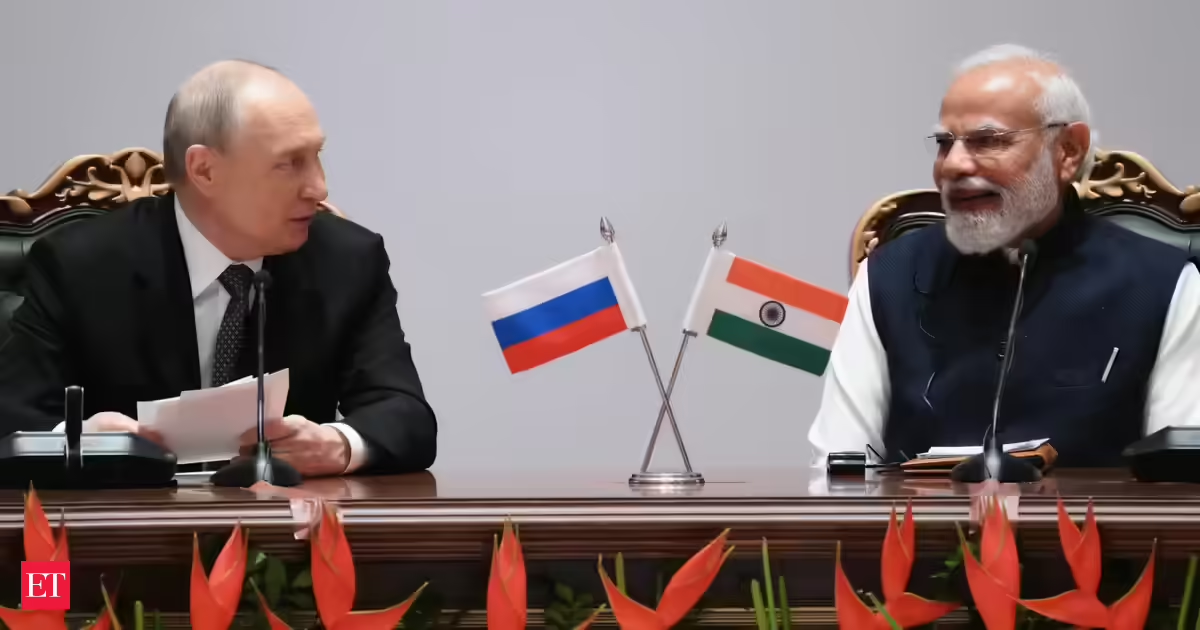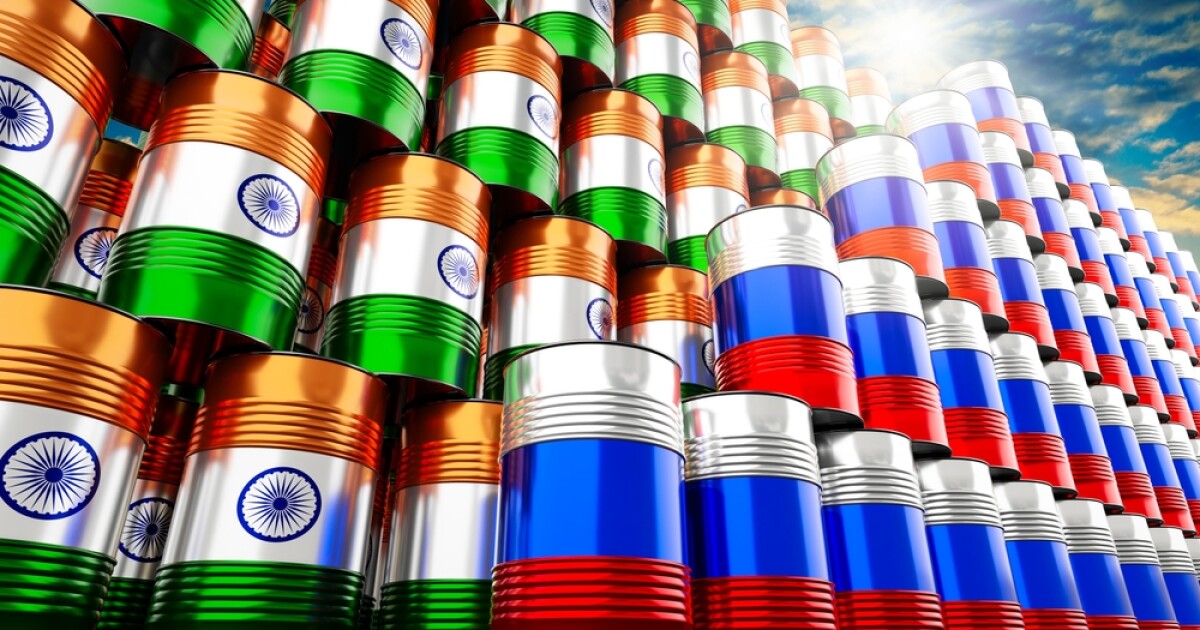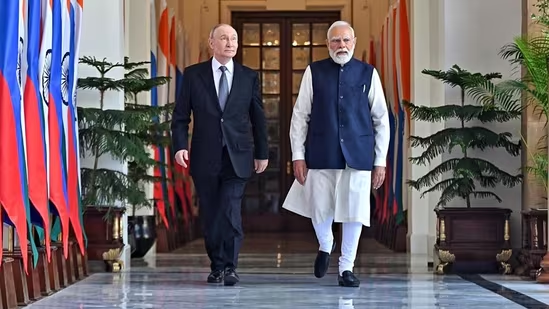
Isolation from the West has forced Russia to reach out to the Global South. Its trade with India, for example, saw a remarkable rise in Financial Year (FY) 2024-25, driven by increased imports by India, primarily of crude oil. To work around US, UK, and EU sanctions imposed on Russia, the two countries have resorted to the rupee–ruble settlement facilitated by the Reserve Bank of India’s (RBI) decision in July 2022 to allow export and import operations in Indian currency. As a result, Russian companies have become more engaged with the Indian market, a process that has been further aided by the integration of Russian banks into the Indian financial system. This brief examines the current status of and potential for Russian investment in India, identifying areas and mechanisms of economic cooperation alongside existing challenges to promoting bilateral ties.The Russia-India connection has remained constant over decades because ties have had an identity of interests all through. (ANI)Since 2022, bilateral trade volumes between Russia and India have far surpassed the target of $30 billion set by the two countries in 2015. In FY2024–25, trade turnover amounted to $ 68.7 billion, mainly because of increased imports of crude oil by India, which comprised around 80% of bilateral trade. Encouraged by the spike in trade activities, India and Russia adopted a new target of $ 100 billion by 2030, which the Indian external affairs minister described in 2024 as “more than realistic.” The two sides have implemented several steps to facilitate the flow of goods, including developing a national currency mechanism, improving logistics, and arranging insurance solutions, with the aim to move away from reliance on western entities. First, transactions between India and Russia are now dominated by the rupee–ruble settlement, as per the RBI July 2022 decision to allow imports and exports in the Indian currency. This currently accounts for more than 90% of bilateral trade operations. However, the scheme initially left Russia with a significant surplus of rupees. Although it became a thorny issue for bilateral economic ties in 2022–23, New Delhi and Moscow found a solution by investing this money into the Indian economy and injecting more capital into Russian businesses in India.This paper can be accessed here. This paper is authored by Aleksei Zakharov, ORF, New Delhi.
Mapping Russian investment in India
This paper is authored by Aleksei Zakharov, ORF, New Delhi.
378 words~2 min read