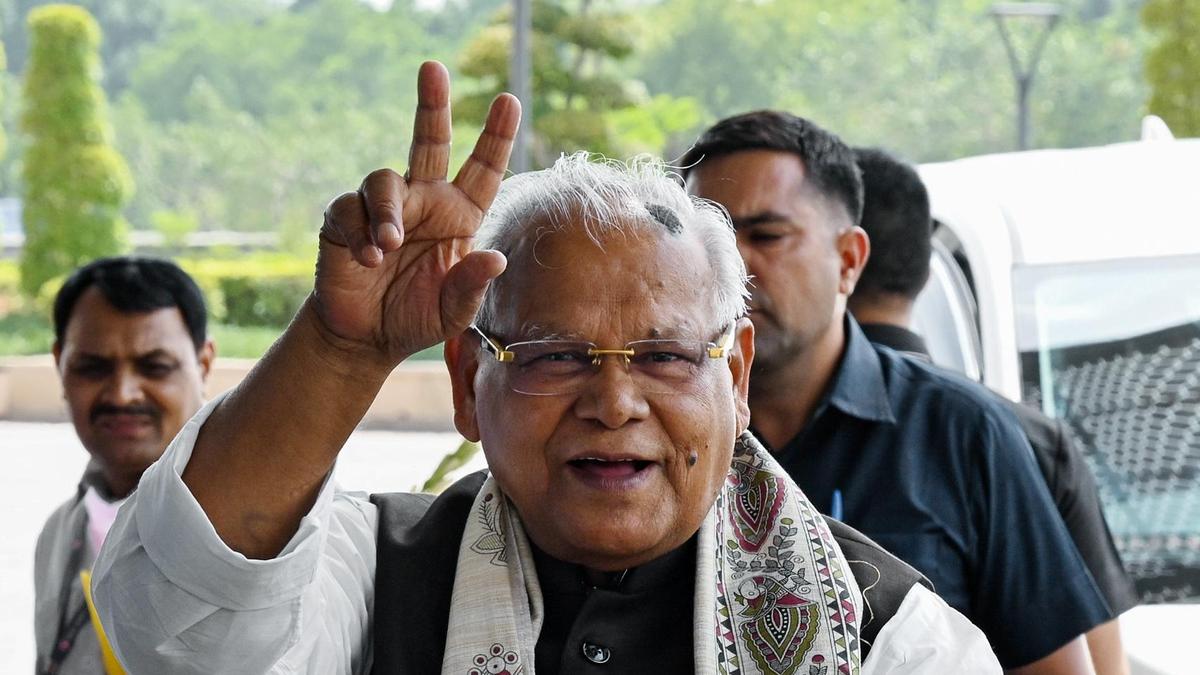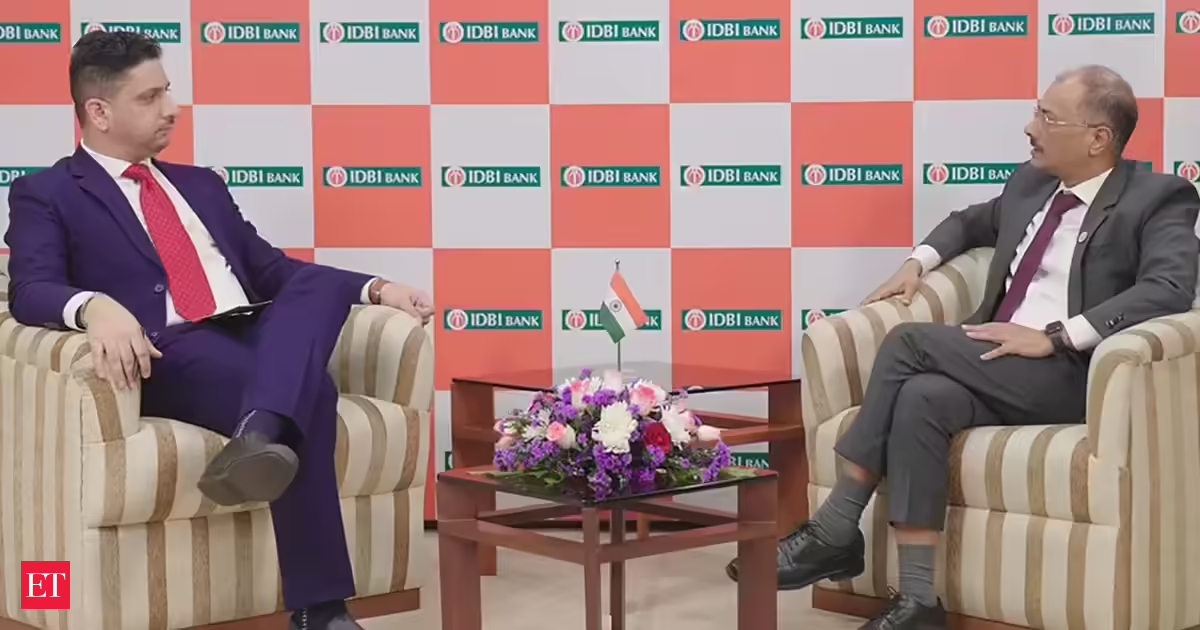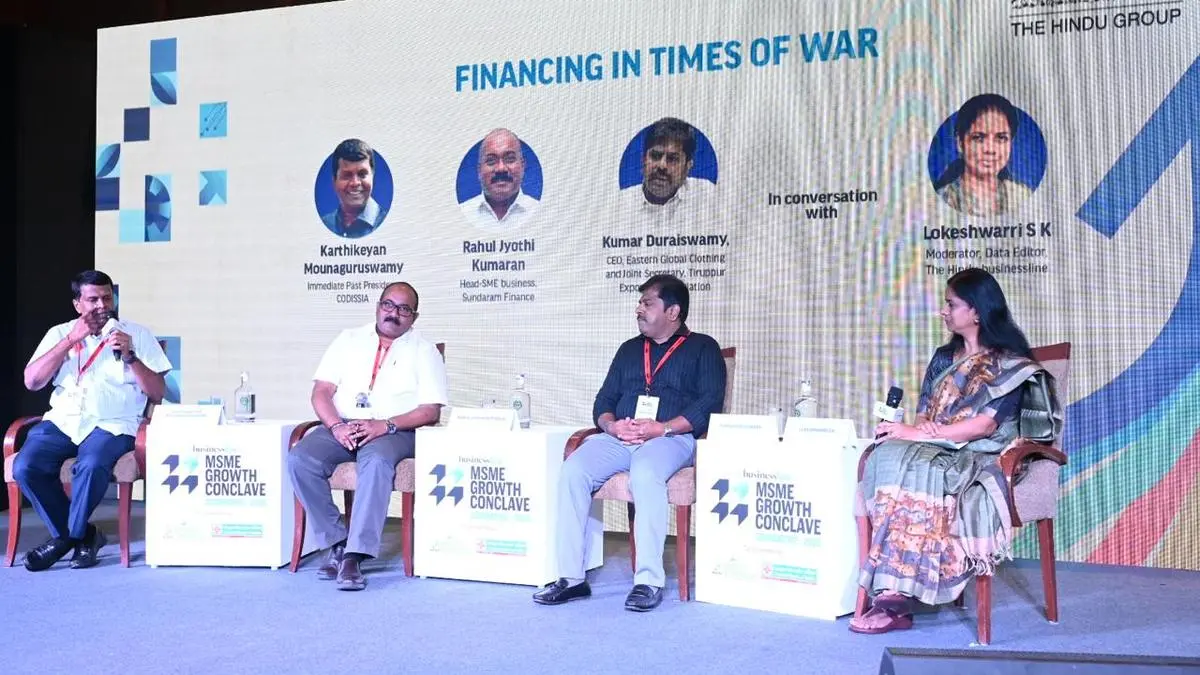
(From left) Karthikeyan Mounaguruswamy, Immediate Past President, Codissia; Rahul Jyothi Kumaran, Head-SME business, Sundaram Finance; Kumar Duraiswamy, CEO, Eastern Global Clothing and Joint Secretary, Tirupur Exporters’ Association; and Lokeshwarri S K, Data Editor, The Hindu businesslineMicro, small and medium-sized companies (MSMEs) face challenges that are dichotomous – working capital at competitive rates is hard to come by, and where available, poor awareness and reluctance to engage with multiple stakeholders is preventing engagement.At a discussion on ‘Financing in times of war’, moderated by The Hindu businessline’s Data Editor Lokeshwarri S K, panelists included Karthikeyan Mounaguruswamy, Immediate Past President, Codissia; Kumar Duraiswamy, CEO, Eastern Global Clothing and Joint Secretary, Tirupur Exporters’ Association; and Rahul Jyothi Kumaran, Head-SME business, Sundaram Finance.Mounaguruswamy said that a majority of loans taken by micro units - likely up to 60 per cent - is still based on gold jewellery as collateral, which can turn out to be expensive in even the medium-term. “Businesses prefer jewel loans as they are a safer bet. But, over the long term, only the banking sector can support MSMEs on growth.”On the ECLGS scheme, Kumar Duraiswamy, CEO, Eastern Global Clothing and Joint Secretary, Tirupur Exporters’ Association, said, “We have to give great credit to the Centre for the ECLGS scheme. But, in South India, especially the Kongu region, communication has not been adequate. A PSB banker told me that in this region, about 2,400 MSMEs are eligible for this facility. Of this, they had received 400 applications, all of which had been sanctioned but only 225 units have taken up the loans!”He pointed to lack of adequate orders now that makes repayment difficult. “I need orders to run my factory. This supply chain disruption (due to the West Asia war) will take a full year at least to return to normal. Other supplying nations are more competitive than we are.”Asked if the bond market or equity market is a realistic alternative route to fund, Duraiswamy said: “These are Greek & Latin to many of our members. We need to be educated about it. Even top firms, doing more than ₹500 crore in revenue, are reluctant to go down this road.”On the idea of cash-flow data being used to avail of credit, Kumaran said, “This is an idea whose time has come. Such schemes can be created by banks and NBFCs under the existing framework.”Aggravating the problem of funding for MSMEs is large companies not showing urgency in clearing dues. “The largest banker to large companies has been the MSME sector,” said Kumaran. “There has been a 22-45 day increase in working capital cycles recently. MSMEs are not in a position to reject business either.”Mounaguruswamy pointed out that the TReDS (Trade Receivables electronic Discounting System) is not being used adequately by MSMEs. Bankers who are part of the TReDS system have highlighted the fact that a significant quantum of dues remained unpaid as the bills had not been uploaded in a proper way, despite being more than 45 days overdue.“About ₹10 lakh crore MSME funds are being held by PSUs.” He added that as the funding squeeze gets tighter, MSMEs may have no option but to use the TReDS platform.Published on June 27, 2026
Despite government initiatives, lack of awareness hindering MSME financing
Lack of awareness hinders MSME financing despite government efforts, highlighting the need for better communication and education in the sector.
531 words~2 min read