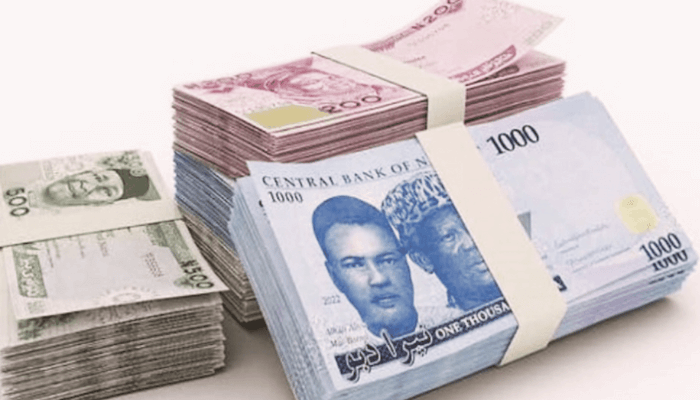
James Emejo writes that the recent launch of the Nigeria Overnight Financing Rate (NOFR) represents one of the most consequential reforms undertaken by the Central Bank of Nigeria
For years, Nigeria’s financial system had grappled with a recurring challenge — the absence of a widely accepted, transaction-based benchmark that accurately reflects the cost of money in the market. Without such a benchmark, pricing inefficiencies persist and monetary policy signals become blurred, eroding investor confidence.
The introduction of NOFR seeks to address this structural weakness by anchoring financial market pricing to actual overnight secured transactions rather than estimates or indicative quotes.
By this, the CBN is attempting to lay the foundation for a more transparent, credible and sophisticated financial system, while strengthening one of the most critical yet often overlooked elements of economic management — the transmission of monetary policy.
Nigeria’s financial market reform journey reached another important milestone when the apex bank unveiled the NOFR, a new benchmark expected to improve transparency, strengthen monetary policy transmission and bolster confidence in the country’s financial system.