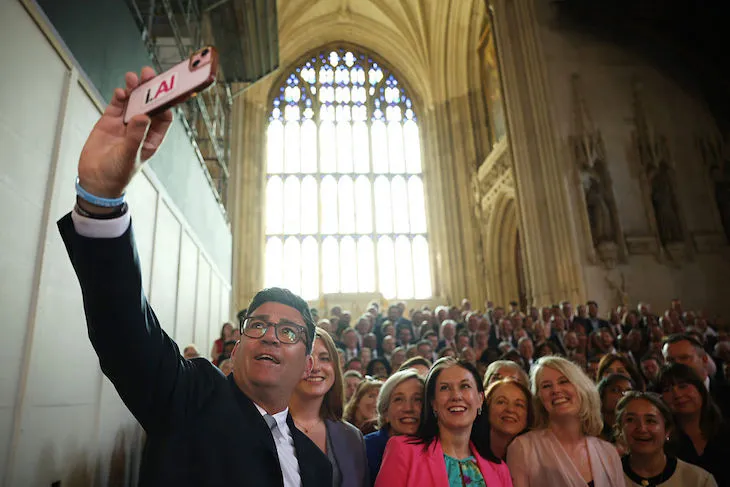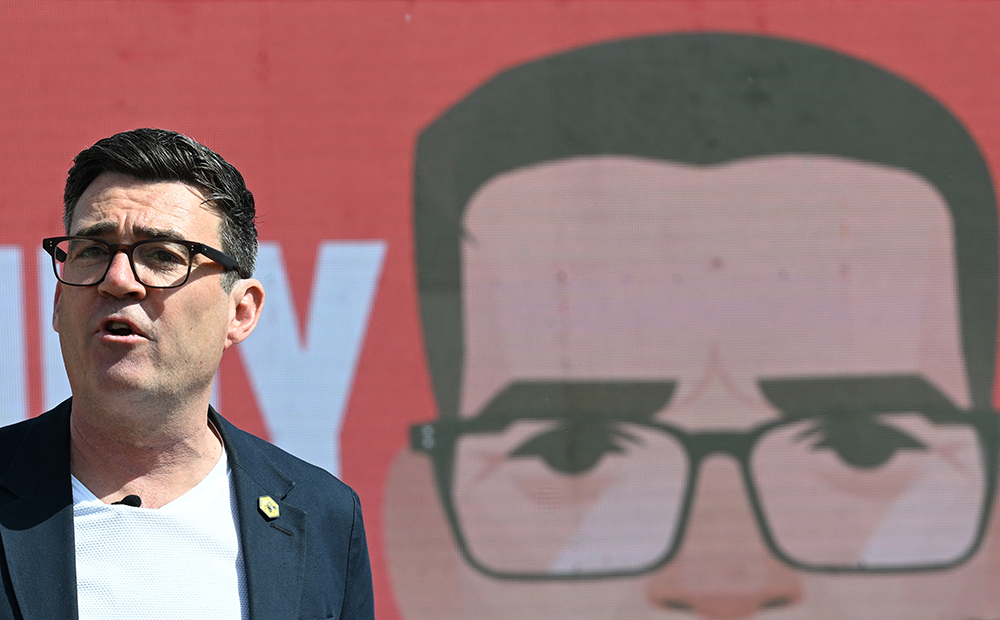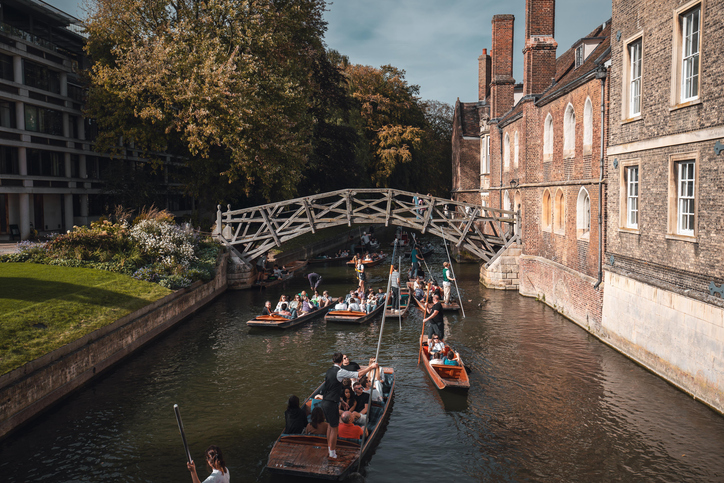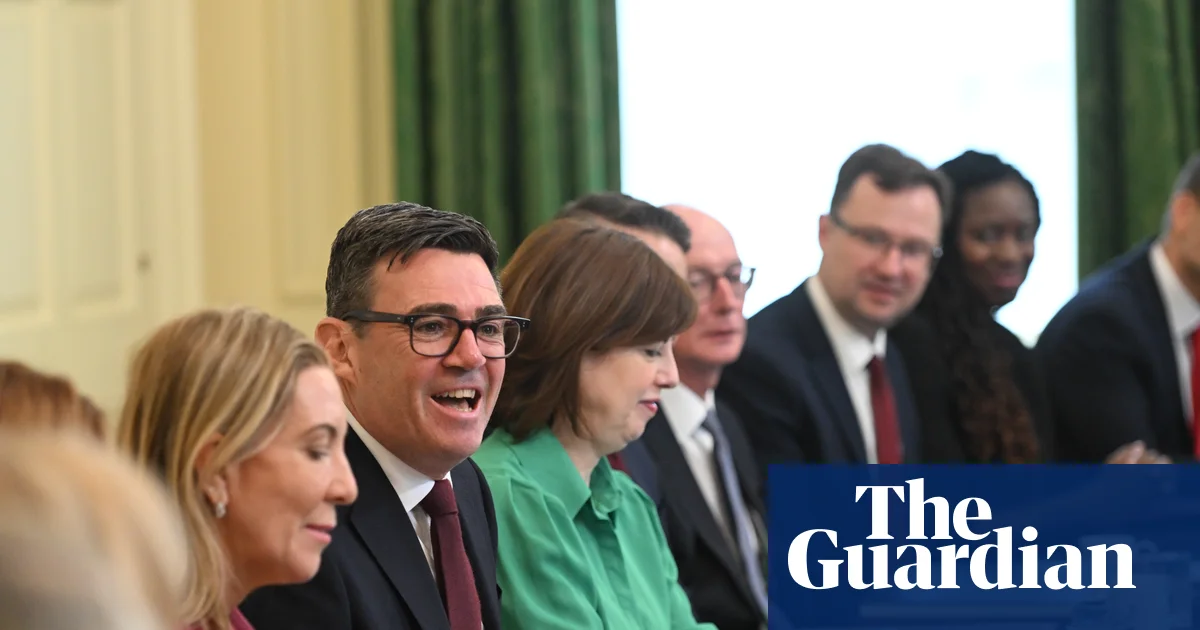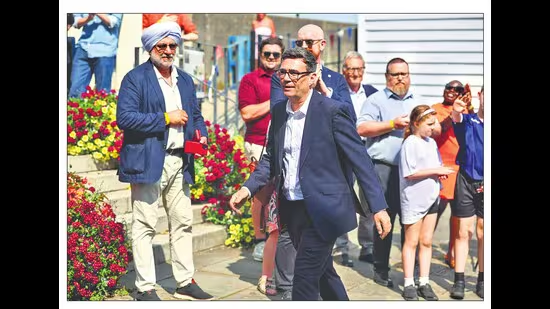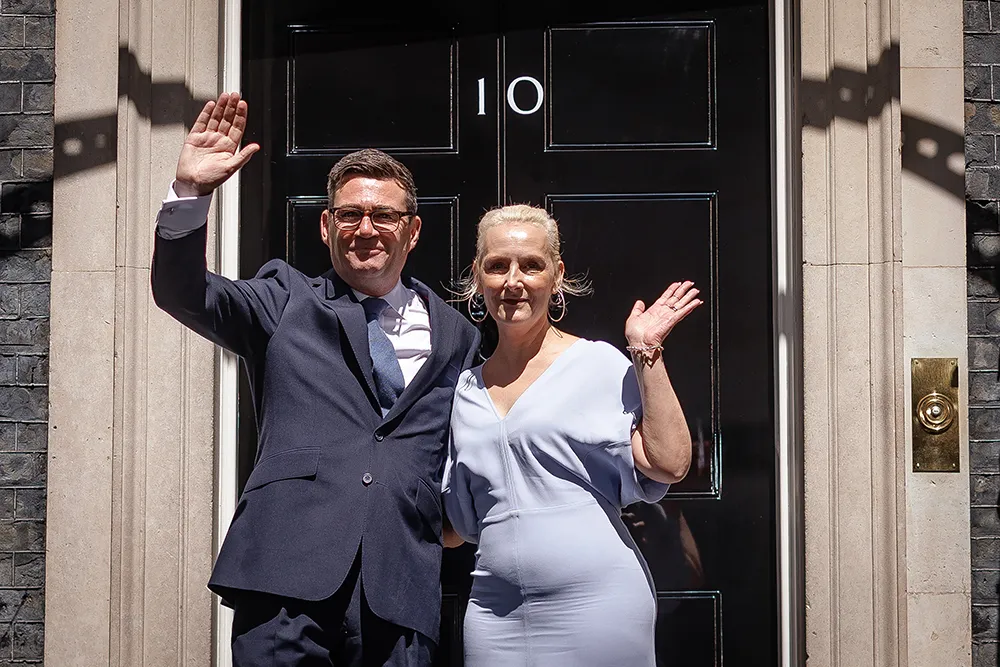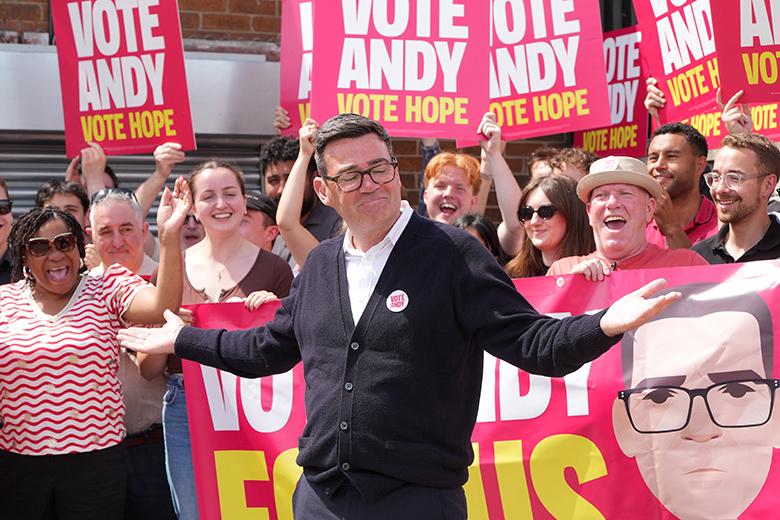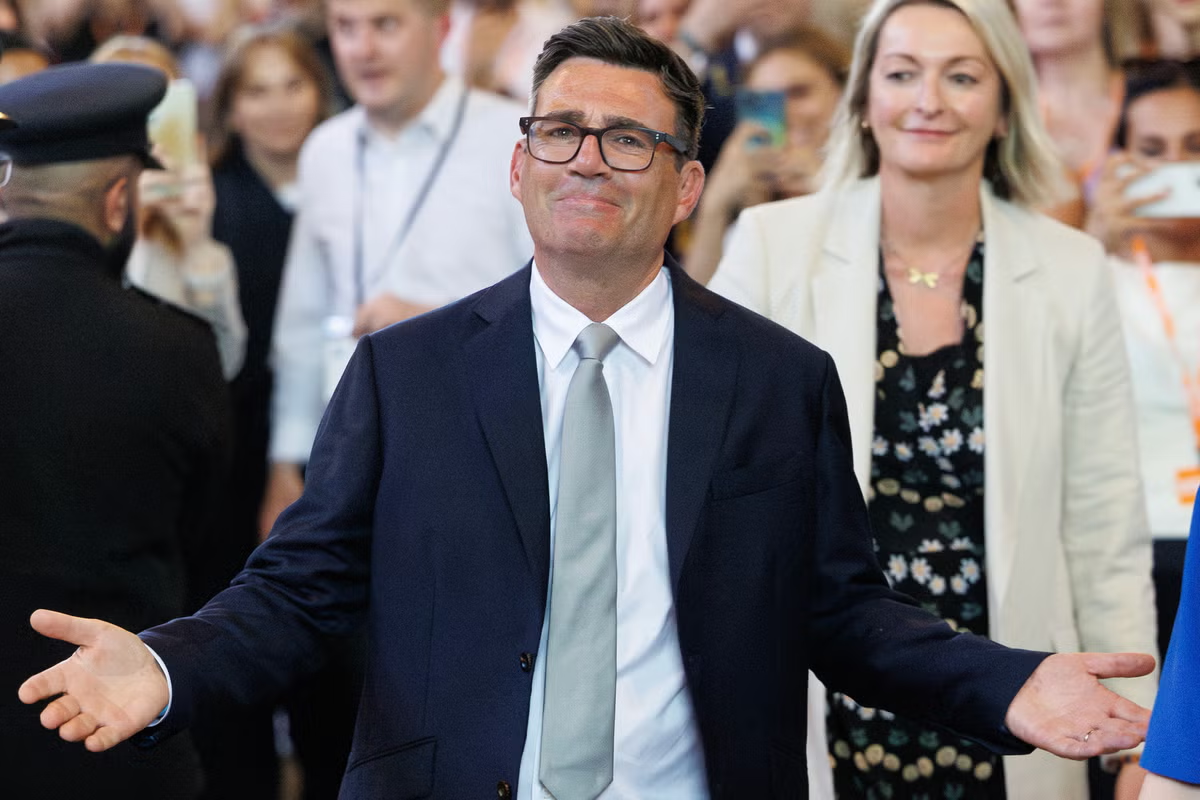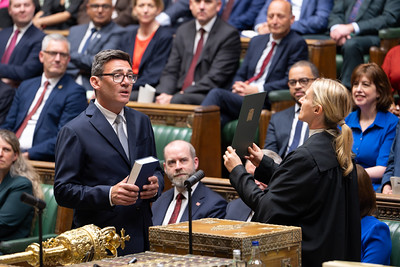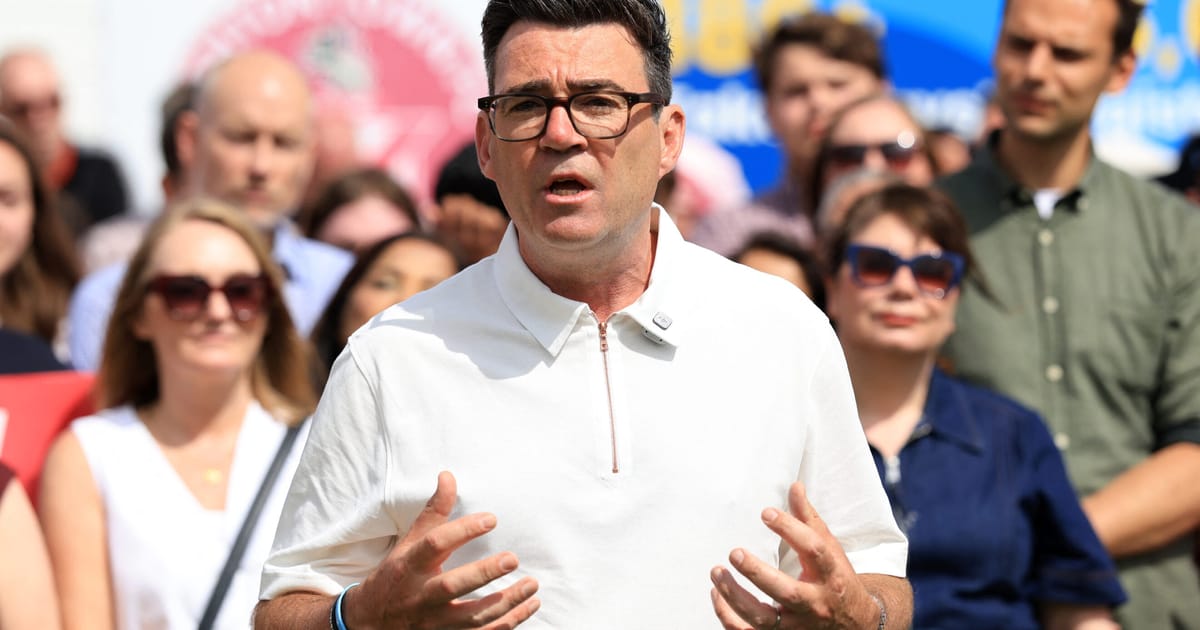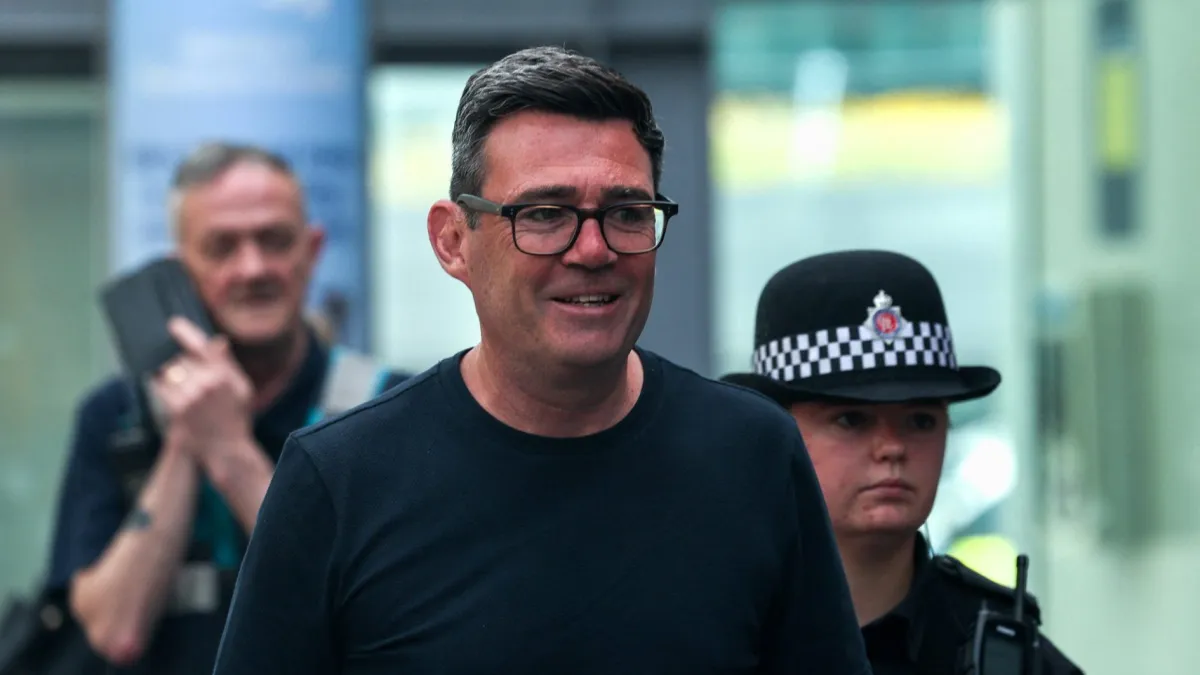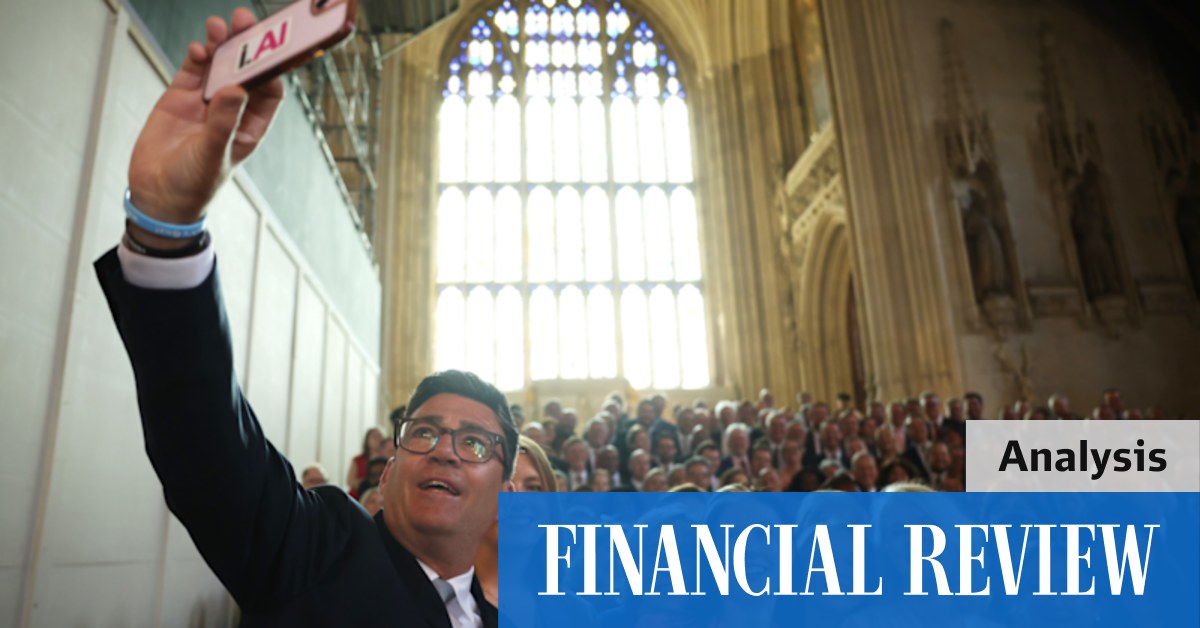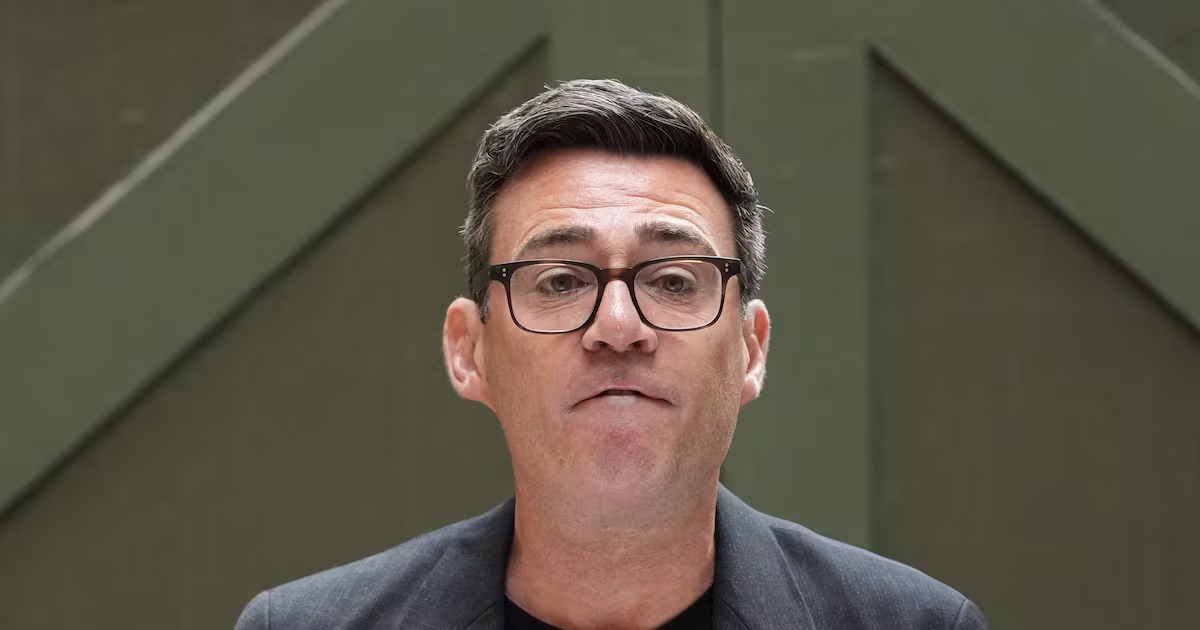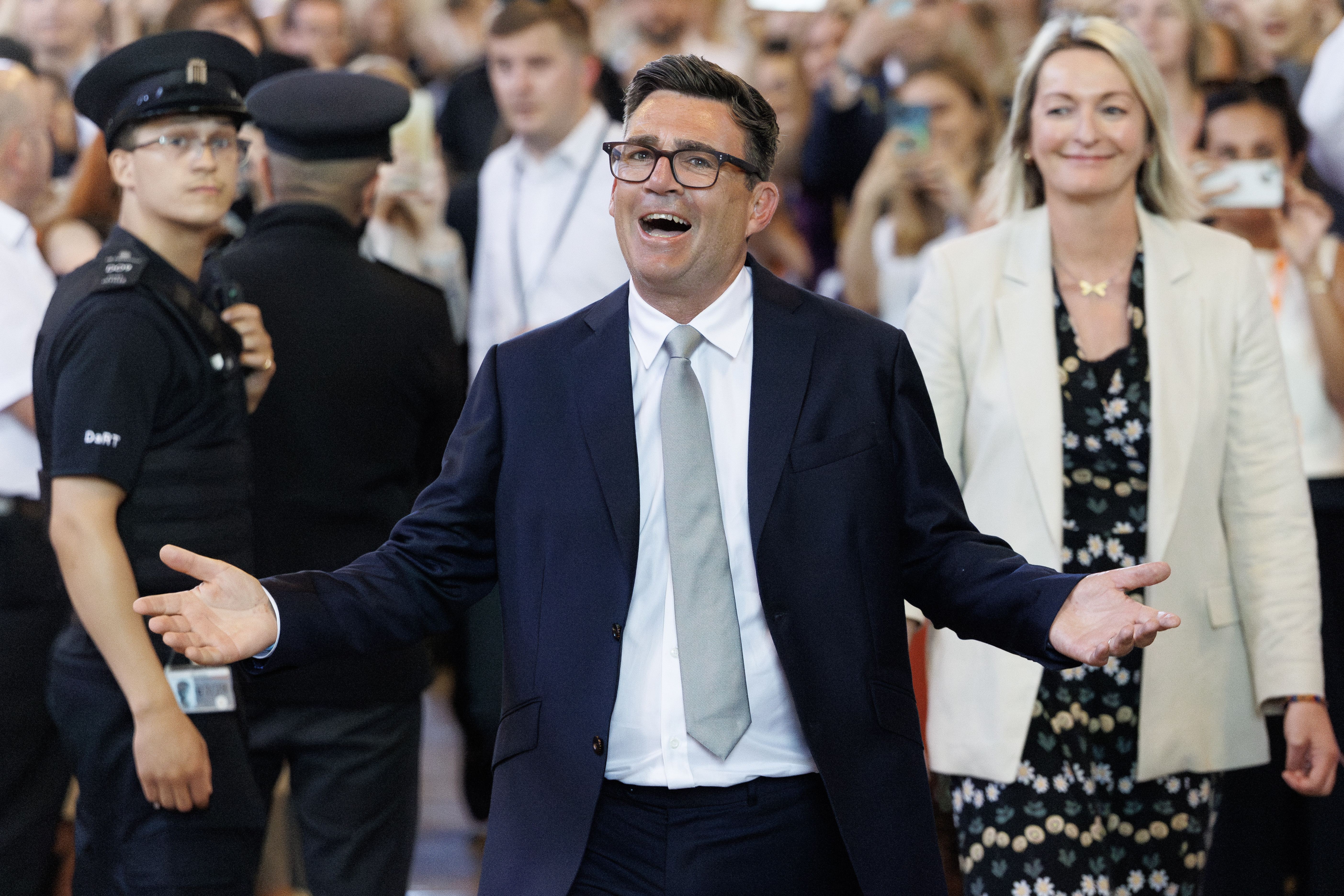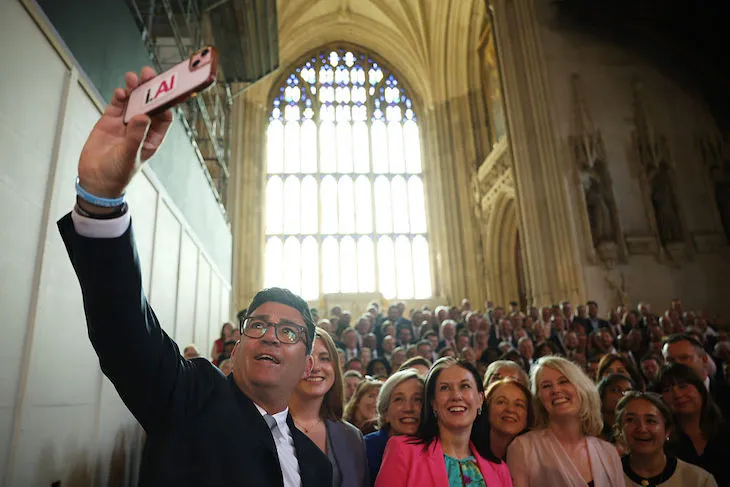
Of Britain’s 58 prime ministers to date, 31 have been graduates of Oxford University and 14 from Cambridge. But putative prime minister Andrew Murray Burnham will be the first Cambridge graduate to hold that position since Stanley Baldwin in the 1920s. It may irk the radical chic former Mayor of Greater Manchester to be bracketed with the patrician Conservative prominent in Britain’s political leadership between the world wars, but the similarities – and omens – are there.
Putative prime minister Burnham should take heed
If all goes to Burnham’s plan, both men will have entered Downing Street by the age of 56. After numerous government posts, including Chief Secretary to the Treasury (like Burnham), Baldwin’s path to No. 10 was opened in May 1923 when sitting Conservative prime minister Andrew Bonar Law was forced to resign for ill health and Baldwin stepped into his shoes.
Only the year before, the Conservatives had won a comfortable majority and (like Labour today) could have waited a few years before calling a general election. But the new prime minister wished to win a mandate from the people and to consolidate his hold over the Conservative party before legislating for potentially divisive reforms. Baldwin called a general election for December 1923 in a divided Britain clearly ill at ease with itself. Social unrest and strikes threatened. Post-war national debt was crippling, with Britain making huge financial payments to the United States.