The European Union is sending a dual message to Turkey as it seeks to strengthen cooperation with Ankara while maintaining pressure on issues involving member-states and democratic standards.
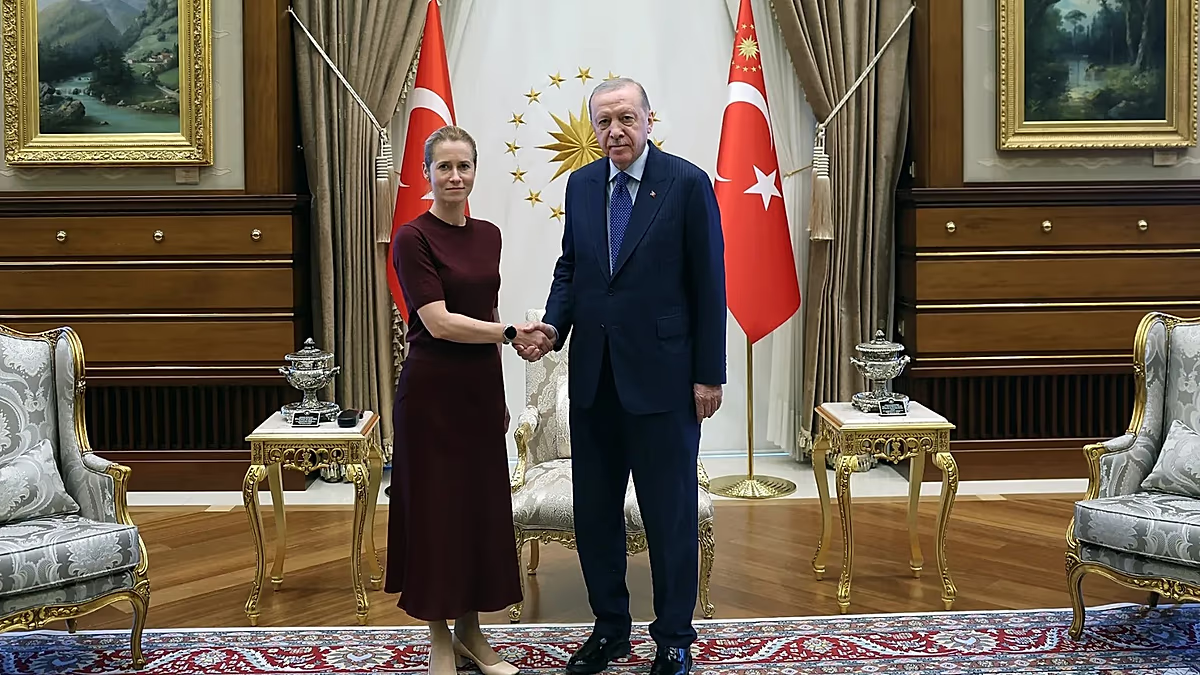
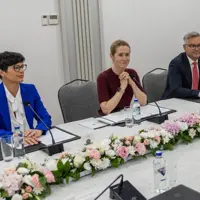
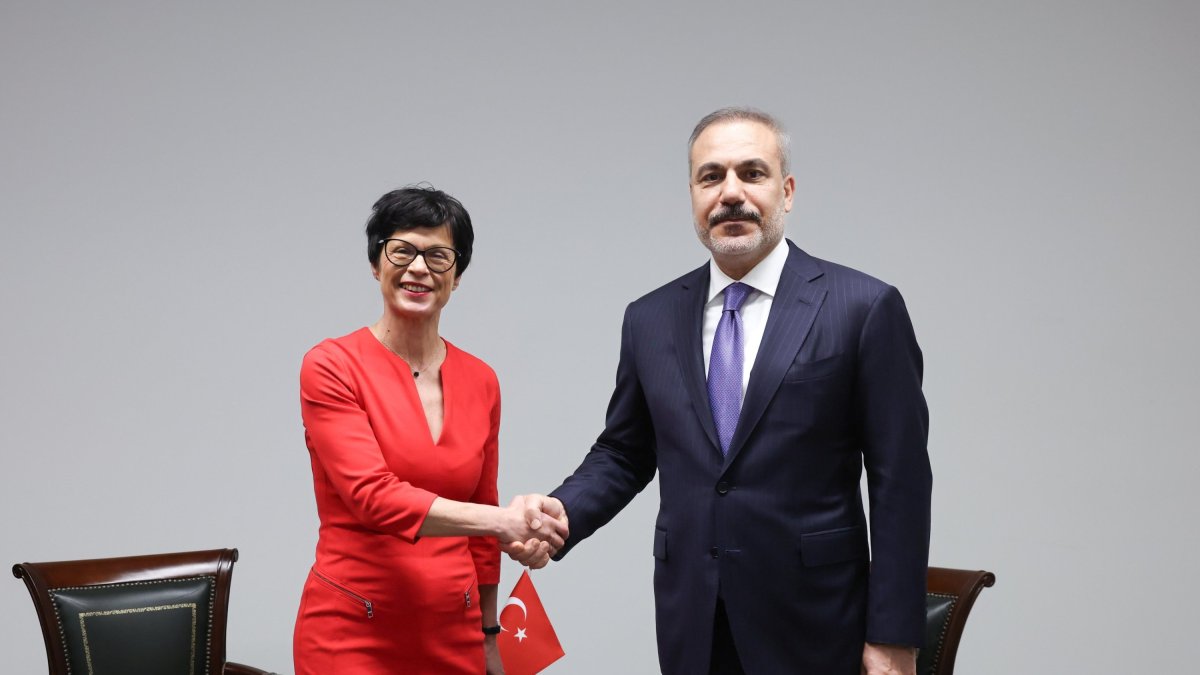
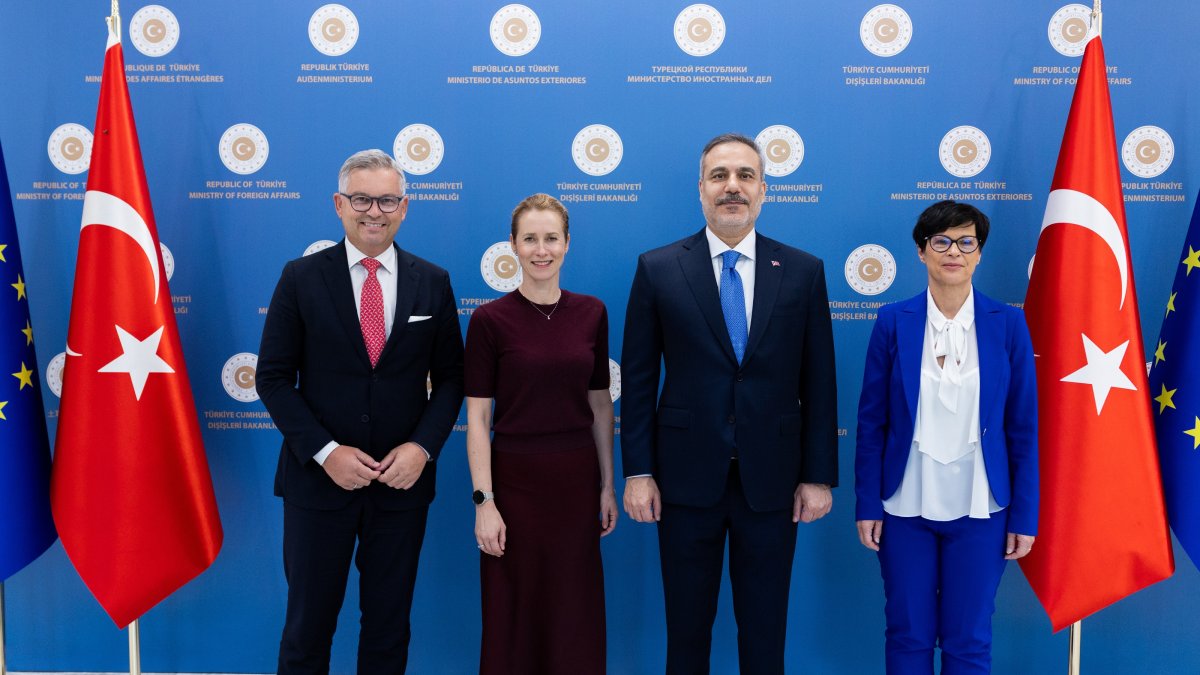
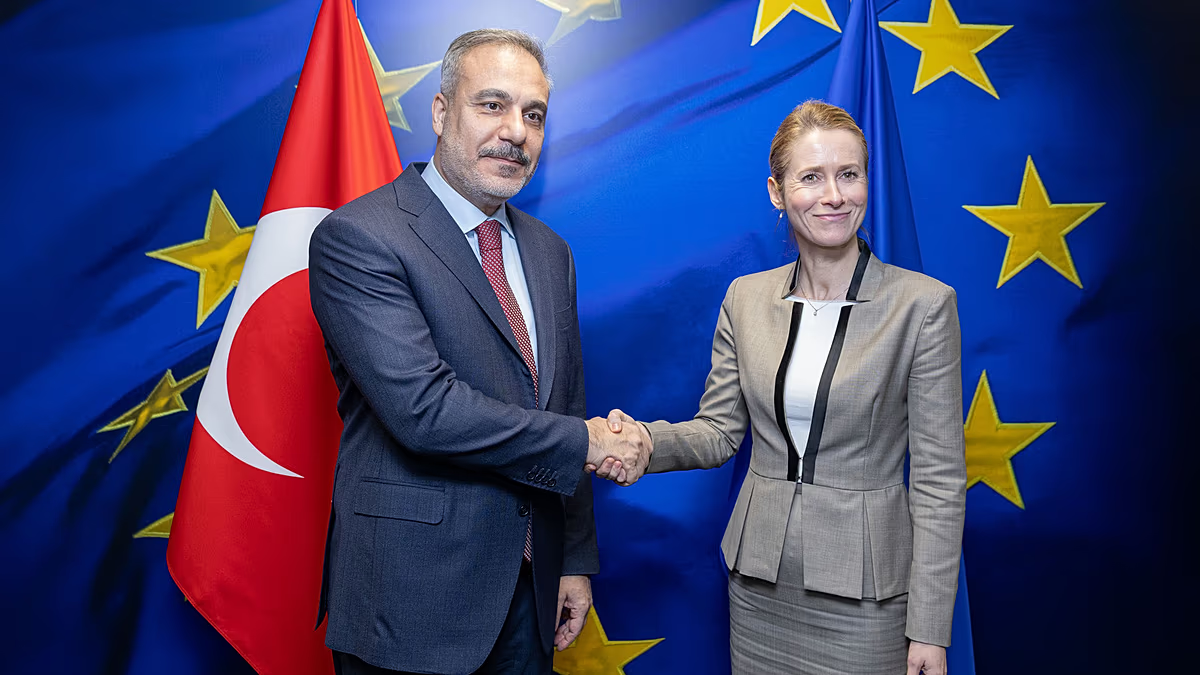
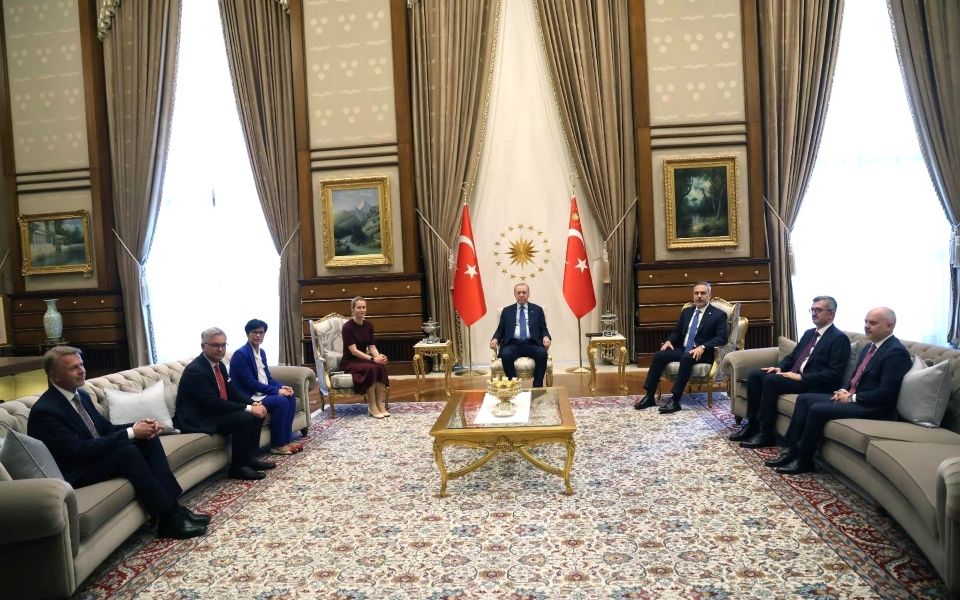
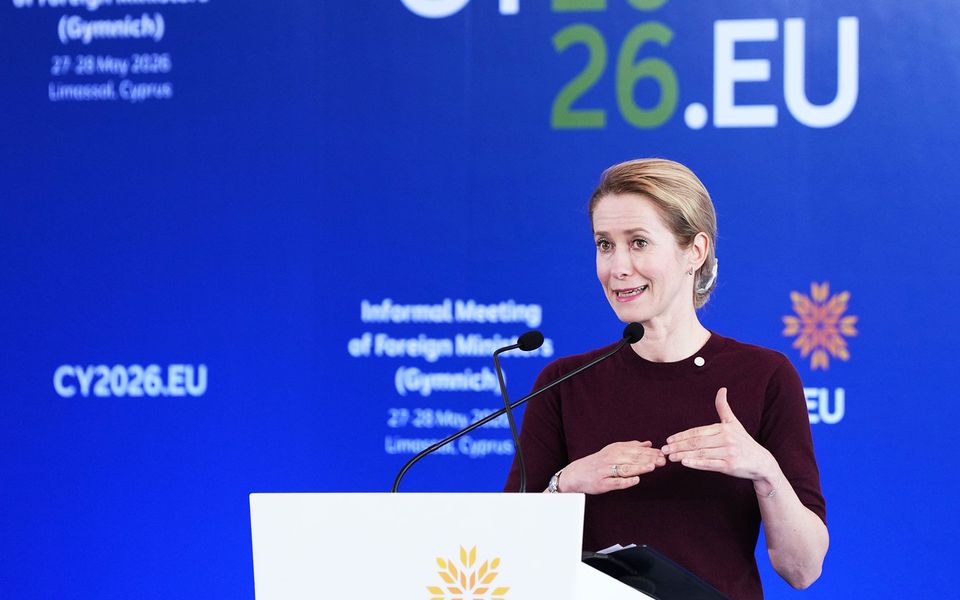
A joint visit by EU foreign policy chief Kaja Kallas, and Migration Commissioner Magnus Brunner to Ankara on July 2 marks the start of a broader series of high-level contacts between Brussels and Turkey.
The visit follows an EU-Turkey economic dialogue in Istanbul on June 30 and precedes meetings involving European Council President Antonio Costa and European Commission President Ursula von der Leyen during the NATO summit in Ankara on July 7-8.
According to EU sources, the sequence of visits reflects Brussels’ intention to place relations with Turkey on a more functional footing amid geopolitical developments in Ukraine, the Middle East and the Black Sea. While Turkey’s accession process remains frozen, the country is increasingly viewed as a strategic partner in areas including migration, trade, energy and transport.
Migration cooperation is expected to feature prominently in discussions. The European Commission considers Turkey’s role important in limiting irregular migration flows and has highlighted a 13% decline in arrivals from Turkey to Greece.