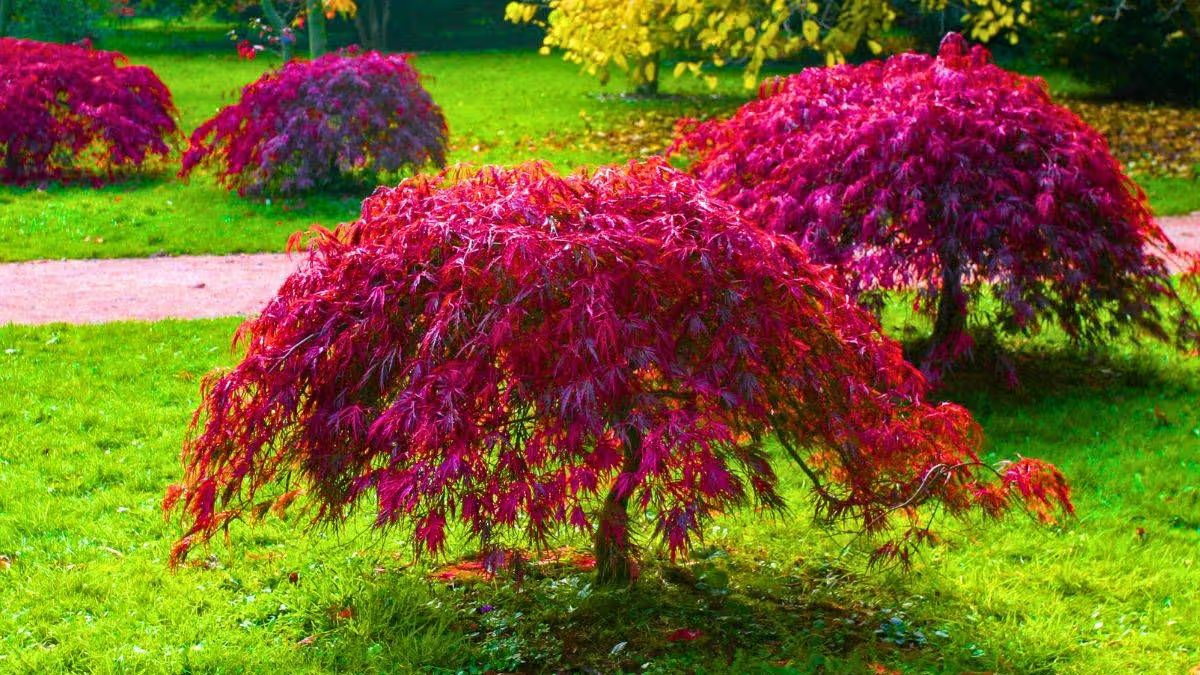
Japanese maples are a popular choice for UK gardens, but they can be tricky to care for. Many gardeners make the mistake of fertilising them in summer, but mulching is the natural solution that will help them thrive15:21, 27 Jun 2026Japanese maples should be a stunning sight in summer, with their vibrant red foliage, but many gardeners inadvertently harm or kill their trees by feeding them at the wrong time. While many gardeners fertilise their plants during summer to help them reach their full potential, Japanese maples are particularly sensitive to heat.Late June is far too hot to feed these trees, as the salts and chemicals found in fertiliser will scorch both the roots and leaves.According to gardening experts at Mendocino Maples Nursery, the latest you should fertilise a Japanese maple is early May. Now, during summer, mulching proves far more effective.They explained: "Mulch is a good friend of your maple. Mulch protects the roots from the heat in summer, the cold in winter and reduces the frequency of watering."Japanese maples can face real challenges in British gardens. Their shallow roots sit close to the soil surface and dry out considerably faster than most other plants.They naturally thrive in woodland areas of Japan, where forest floors are typically covered in leaf debris that absorbs substantial amounts of water, keeping the roots protected from the sun.Mulching is the straightforward gardening practice of covering soil around a plant with organic matter. During summer, this acts as insulation to keep plants cool throughout hot weather.Mulching Japanese maples is absolutely essential, as it helps the soil retain moisture, shields the roots from scorching temperatures, and prevents the tree from becoming stressed.Applying mulch will keep Japanese maples thriving regardless of how hot this summer gets in the UK, and natural mulches will gradually break down to nourish the soil — meaning you'll achieve a fuller, bushier tree without the need for fertiliser.How to mulch a Japanese mapleTo get started, head to your local garden centre and pick up some mulch. Wood chips or pine needles are the most suitable options for Japanese maples, as they closely mirror the woodland soil conditions of their natural environment.Next, clear the area around the base of the tree by removing any weeds or debris. This ensures the mulch beds down properly into the soil, making it more effective at keeping the roots cool.After that, simply spread the mulch in a circle around the tree, taking care to ensure none of it is in direct contact with the trunk. Mulch holds a considerable amount of water, and allowing it to pile up against the trunk can trap moisture, leading to bark rot.Article continues belowInstead, ensure the mulch is evenly distributed across the soil around the planted area, aiming for a depth of around five to eight centimetres. Once applied, give it a thorough watering.Your Japanese maple should now remain healthy and cool for the remainder of the summer, continuing to display its stunning foliage throughout the season.
Japanese maples will stay healthy if one item is added to the soil
Japanese maples are a popular choice for UK gardens, but they can be tricky to care for. Many gardeners make the mistake of fertilising them in summer, but mulching is the natural solution that will help them thrive
497 words~2 min read