The MK Party’s internal power battles have spilt over into the courts after Duduzile Zuma-Sambudla and former party spokesperson Nhlamulo Ndhlela accused the party of publicly expelling them before completing its own disciplinary process.In papers filed before the Johannesburg high court on June 25, Zuma-Sambudla — the daughter of former president and MK Party leader Jacob Zuma — claims the MK Party bypassed its constitution, ignored disciplinary procedures and removed her through a media briefing before she was ever granted a hearing.The court application reveals that while the MK Party had initiated disciplinary proceedings against Ndhlela over allegations linked to factionalism, parallel power structures and insubordination, the process was allegedly never concluded before Zuma-Sambudla and Ndhlela were expelled publicly by secretary-general Sibonelo Nomvalo on June 18.The legal challenge now places the MK Party’s internal disciplinary machinery under intense scrutiny while also exposing deepening tensions within the party founded less than two years ago.According to the founding affidavit, Nomvalo announced during a Sandton media briefing that Zuma-Sambudla and Ndhlela had been expelled with immediate effect and stripped of all rights and privileges associated with membership of the organisation.But Zuma-Sambudla and Ndhlela argue the announcement itself became the punishment long before any lawful disciplinary outcome had been reached.“Instead, Zuma-Sambudla and Ndhlela were expelled by means of a public media briefing, without charges, without notice, and without any hearing whatsoever,” the affidavit states.At the centre of the fallout is an internal battle over authority and organisational control within the MK Party.Documents attached to the application show that the disciplinary process against Ndhlela stemmed largely from a controversial May 16 media briefing during which he allegedly announced the disbandment of the MK Party national high command and proposed the creation of an “MK Party Institute”.The disciplinary notice accused Ndhlela of attempting to establish parallel structures within the organisation and undermining existing leadership authority.According to the documents, the proposed structure would allegedly have required all party organs to report directly to the institute — a move MK Party officials viewed as an attempt to centralise power outside officially recognised leadership structures.The charges against Ndhlela included gross insubordination, factional conduct and violating provisions of the MK Party constitution prohibiting members from undermining organisational unity.The papers suggest the internal dispute escalated rapidly after the briefing.On May 25, Nomvalo formally suspended Ndhlela from all MK Party activities pending the outcome of disciplinary proceedings.The disciplinary letter informed him that he would first be allowed to make written representations before a hearing process could proceed.However, Zuma-Sambudla and Ndhlela now argue that the process effectively collapsed before reaching that stage.Instead of convening a disciplinary hearing, they claim the MK Party leadership moved directly to expulsion through a public announcement nearly a month later.Zuma-Sambudla says no formal disciplinary hearing involving her was ever convened.“Prior to the public announcement of Zuma-Sambudla’s expulsion, Zuma-Sambudla was not served with any formal notice of disciplinary charges in respect of the conduct that was cited as grounds for Zuma-Sambudla’s expulsion,” she states in her confirmatory affidavit.“Zuma-Sambudla was not afforded any opportunity to be heard before the decision was announced. No disciplinary hearing was convened. No findings were made by the national disciplinary committee.”Her affidavit further disputes suggestions that she had previously been removed from parliament by the MK Party.Zuma-Sambudla maintains she voluntarily resigned her National Assembly seat and was not removed by MK Party leadership as publicly suggested during the fallout.Zuma-Sambudla and Ndhlela argue that the expulsions violated the MK Party constitution, which they say prescribes a mandatory internal process before a member can be expelled.“The MK Party has a written constitution which prescribes the exclusive procedure by which a non-probationary member may be disciplined and expelled,” the affidavit states.“None of the steps prescribed by that procedure were followed.”The court papers also reveal concerns about the broader political consequences of the expulsions.Ndhlela argues that because his parliamentary position is tied directly to his MK Party membership, the expulsion carries implications beyond internal party politics and could ultimately affect his continued presence in parliament.Zuma-Sambudla and Ndhlela further argue that allowing the expulsions to stand would exclude them from ongoing organisational decisions at a critical period for the party.This includes participation in internal leadership structures, policy processes and candidate-related decisions ahead of future electoral contests.The dispute is likely to intensify scrutiny of the MK Party’s internal governance structures as the organisation continues to navigate factional tensions and competing centres of influence around Zuma.The fallout is particularly significant given Zuma-Sambudla’s position within the organisation.As both a founding member and the daughter of the MK Party president, her decision to challenge the MK Party in court marks one of the most public internal ruptures the organisation has faced since its formation.Zuma-Sambudla and Ndhlela are now seeking an order reviewing and setting aside their expulsions, reinstating their membership and compelling the MK Party to comply with its own constitutional disciplinary procedures should it seek to pursue disciplinary action against them in future.TimesLIVE
MK Party expulsion battle exposes deep internal divisions
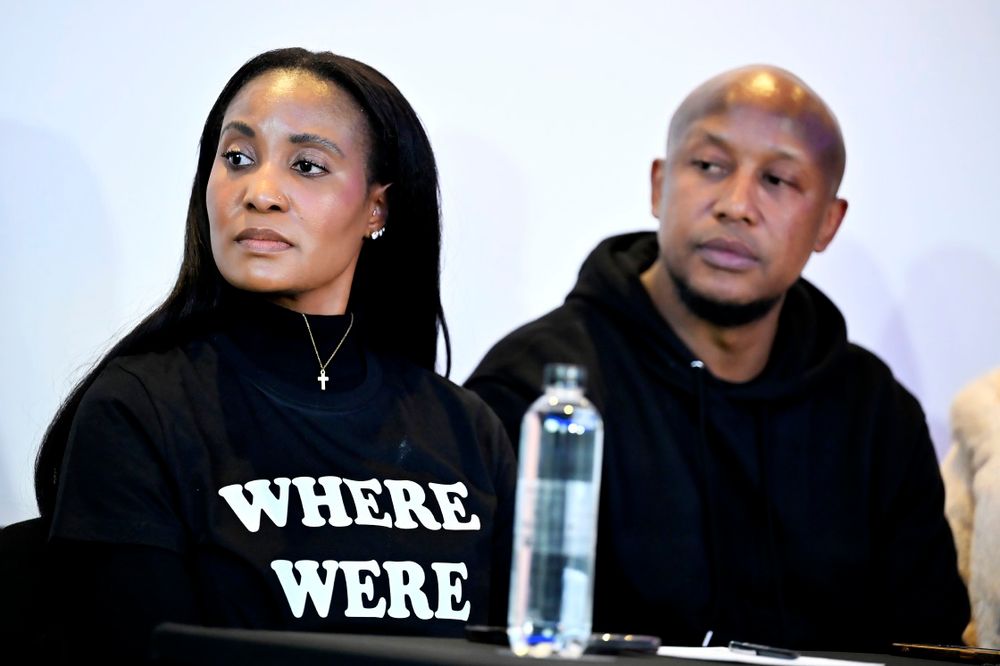
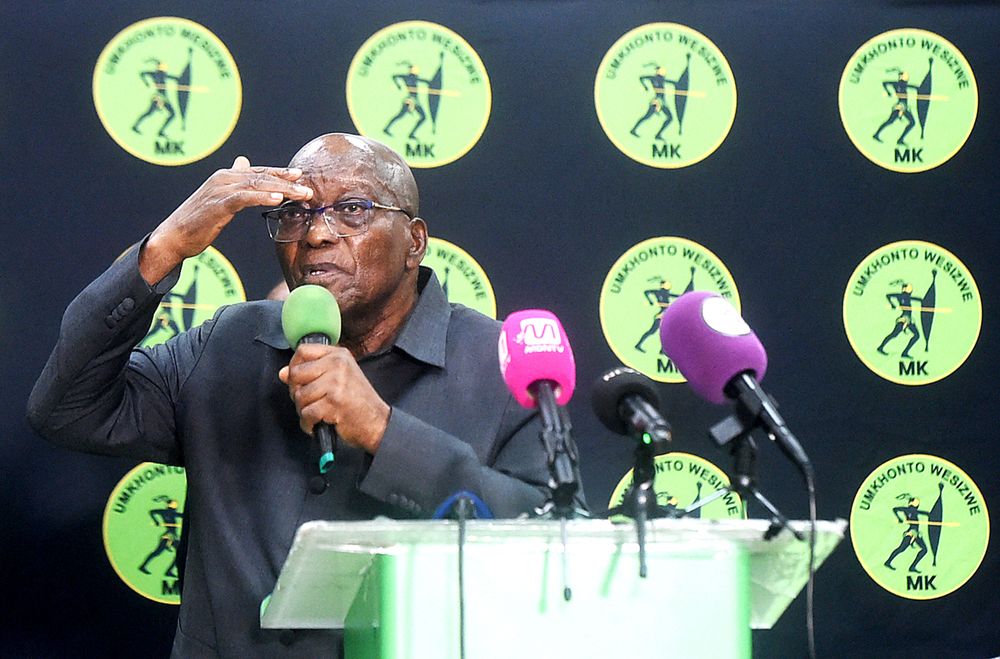
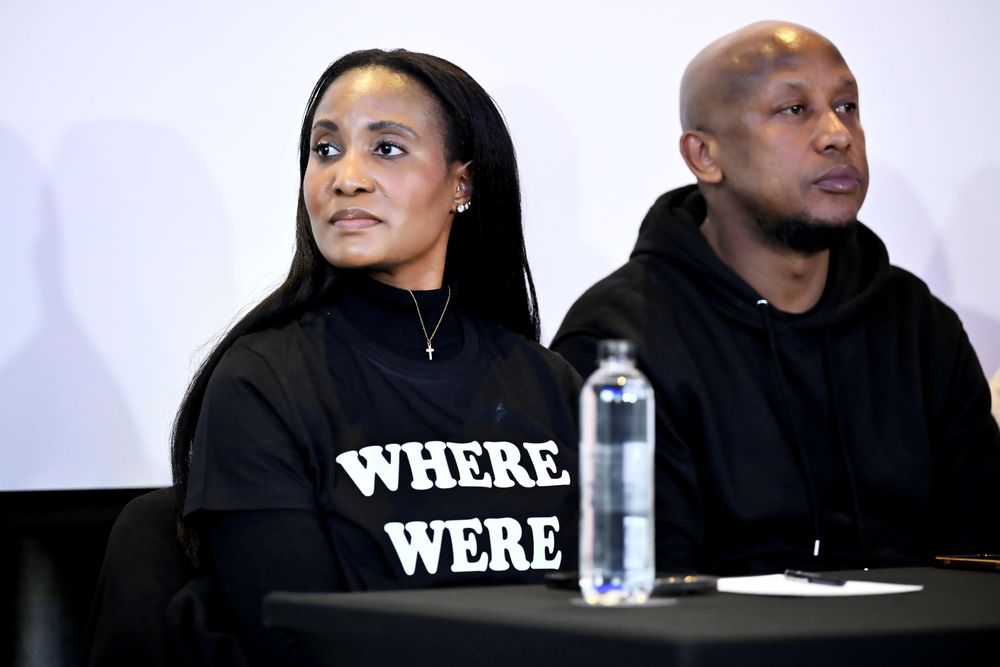
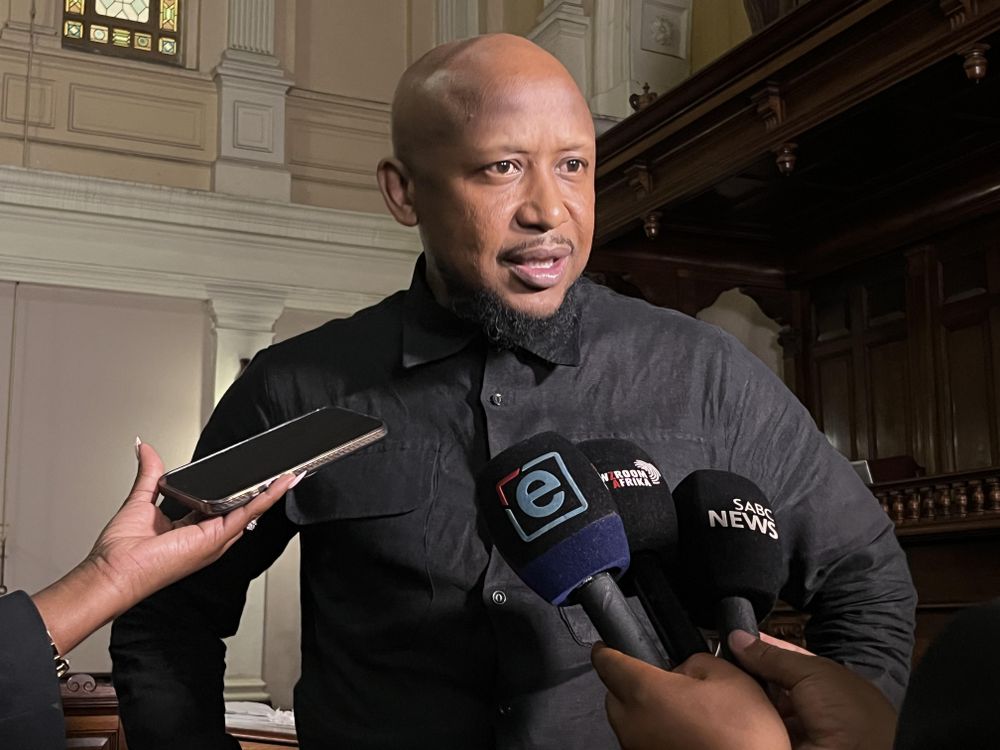
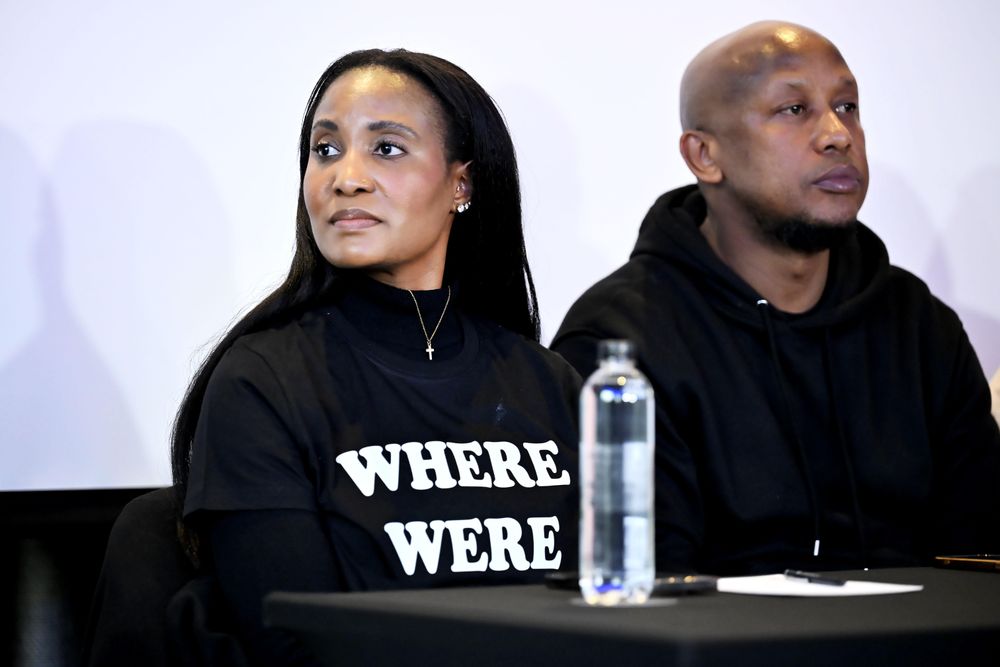
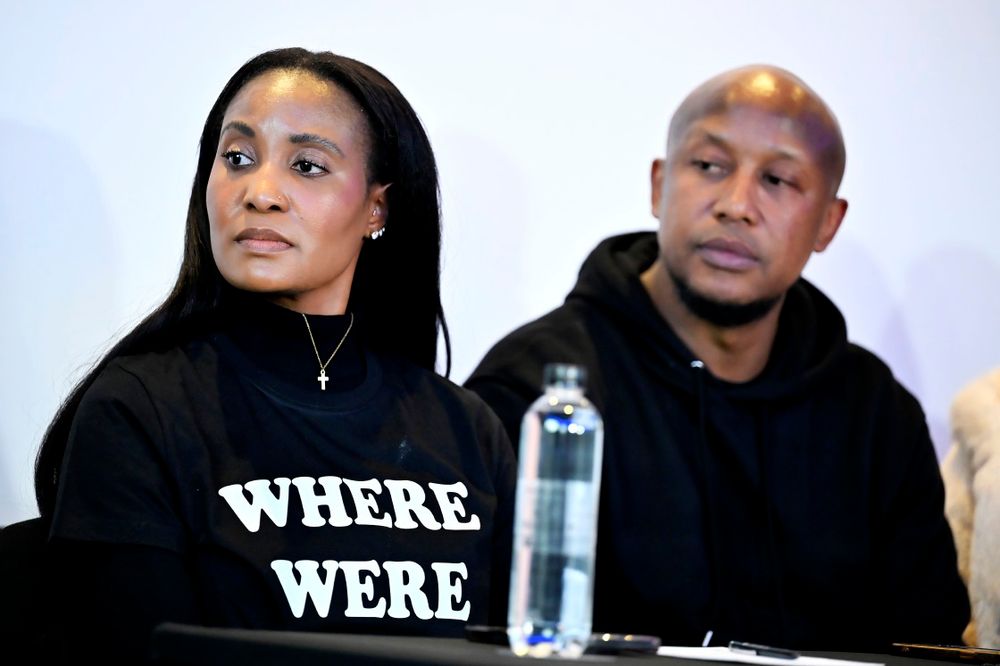
MK Party leader Jacob Zuma’s daughter Duduzile Zuma-Sambudla and former spokesperson Nhlamulo Ndhlela have launched a court bid challenging their expulsion from the organisation.
820 words~4 min read