Audio By Vocalize
There is a kind of memory the powerful fear most. Not the vague, blurring kind that softens with years and eventually fades into sentiment. No — they can survive that. What they cannot survive is the sharp, graphic, unsparing kind. The kind that remembers not only what happened, but how it happened, who made it happen, and what has continued to unfold in its long and bitter wake. That is the memory that is now living rent-free in the conscience of this nation. And the system is not comfortable. It was not supposed to be remembered this clearly.
June 25, 2024 was supposed to become fog. The broad-based government — that curious political architecture assembled on the promise of inclusion and national healing — expected that time, political noise, and strategic distraction would do their usual work. They expected people to grow weary of grieving. They underestimated the dead.
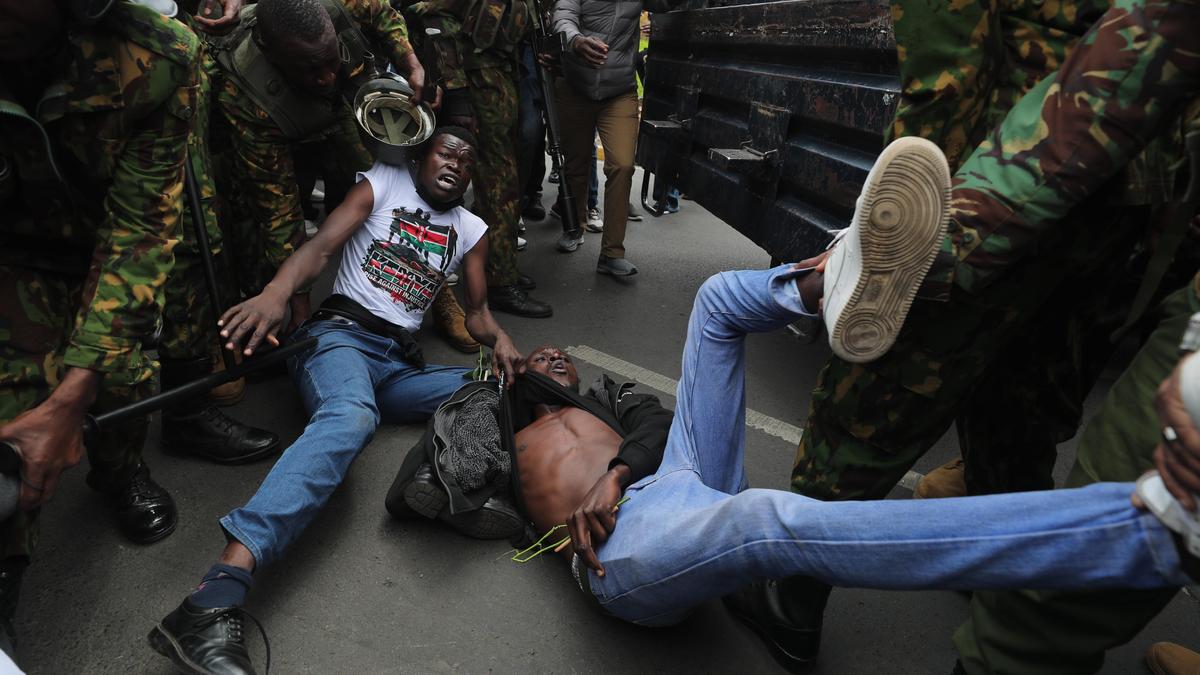
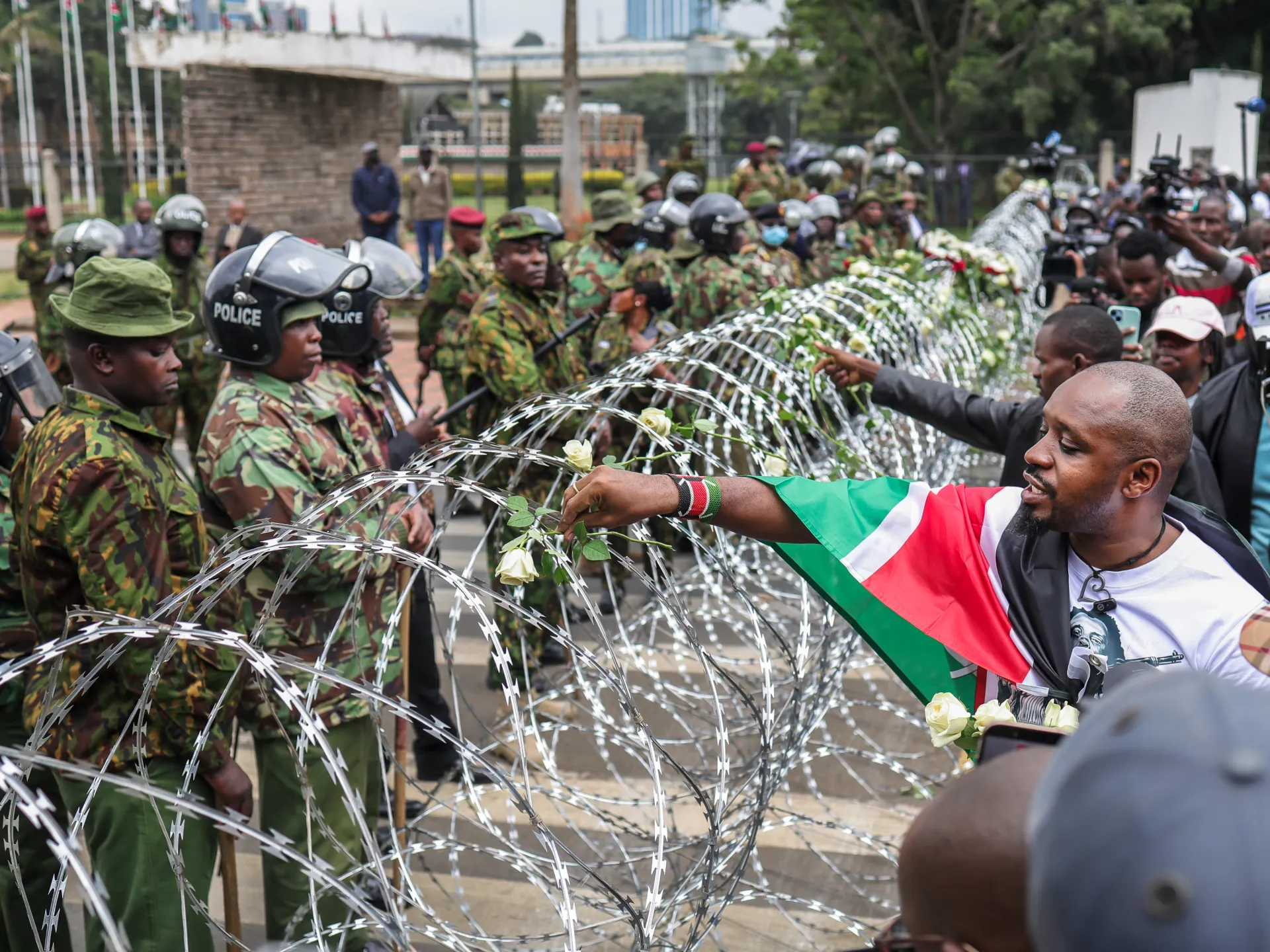
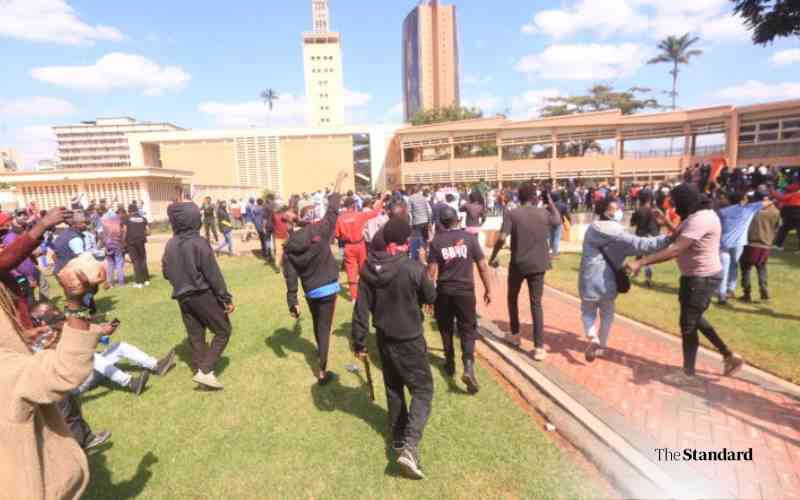
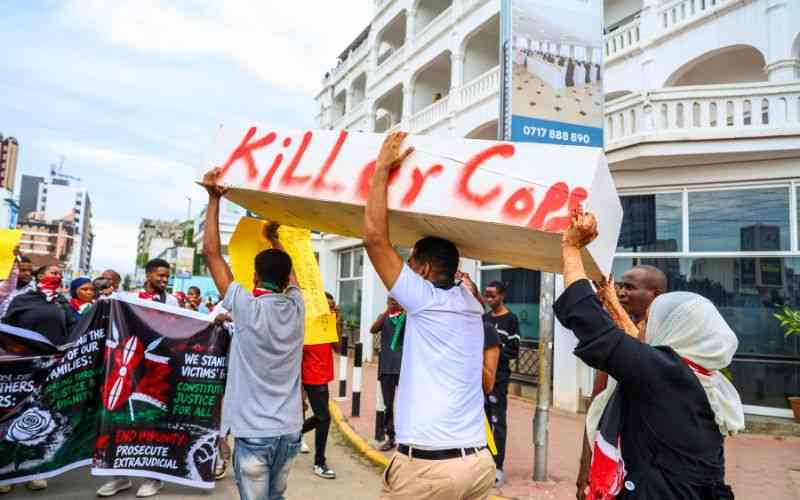
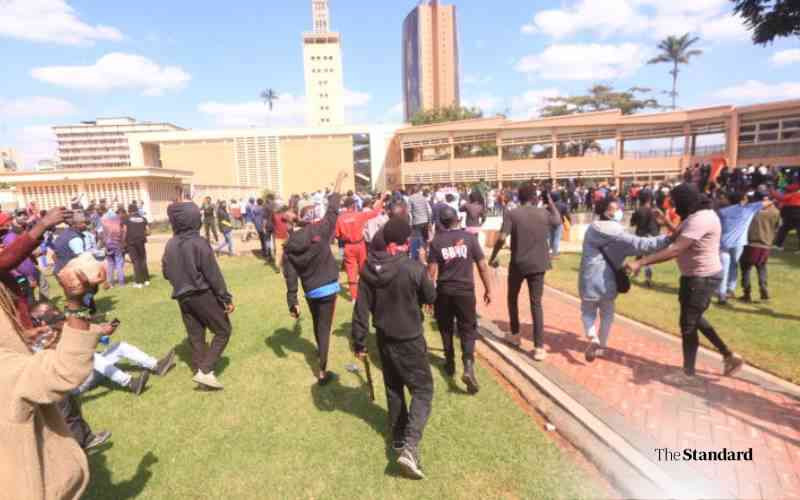
Sixty-five young Kenyans fell. They had no guns. They had bottles, phones, and flags. They crossed a line because their lines had already been crossed — by corruption so brazen it had become policy, by a political class that had turned governance into personal accumulation, by a budget that asked the poorest citizens to fund the extravagance of the richest institutions. They came into the streets because their futures had already been stopped. The state responded with bullets. The state has never satisfactorily explained why.