Audio By Vocalize
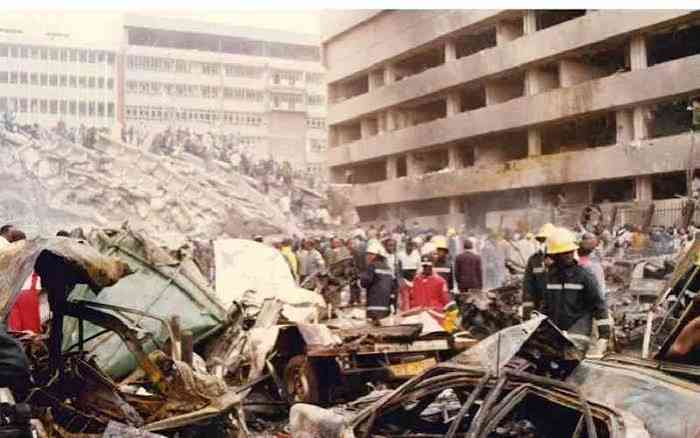
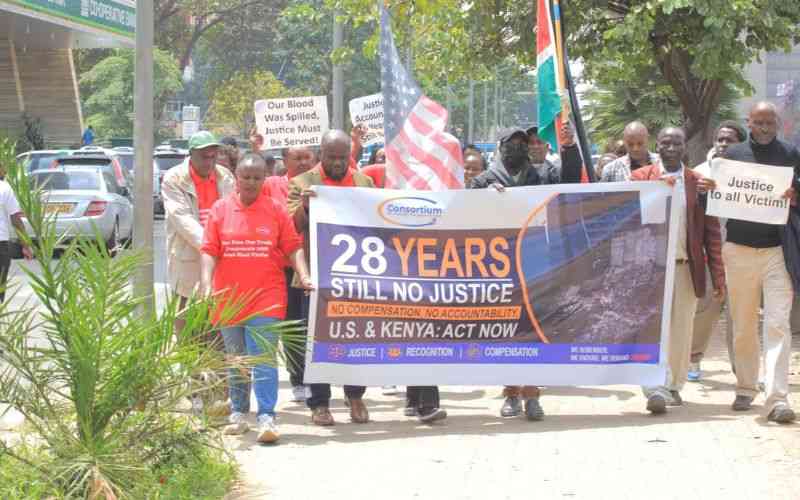
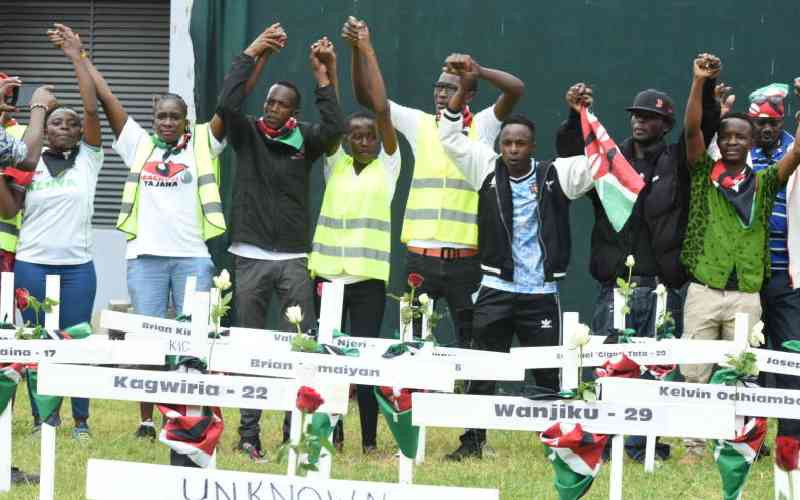
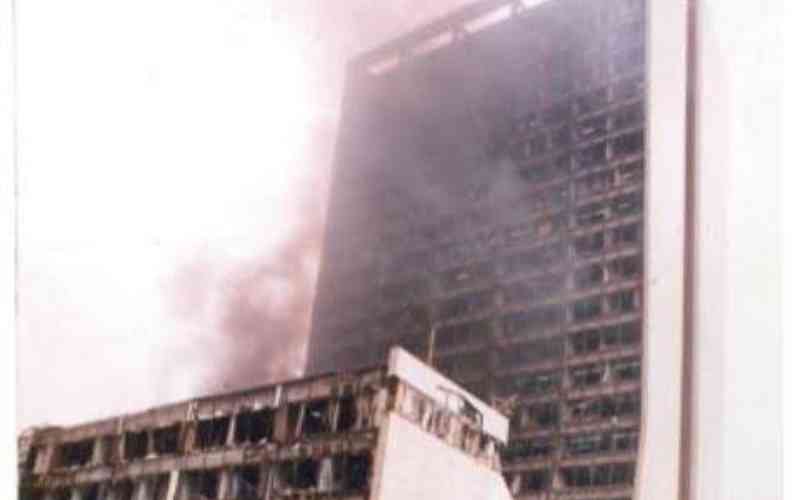
Every year on 7th August, Kenya pauses to remember victims of the 1998 bombing of the United States Embassy in Nairobi. Wreaths are laid, prayers offered, names recalled, and speeches made. Then, almost inevitably, the nation moves on.
For many survivors and bereaved families, however, time has never moved on. The blast claimed more than two hundred lives, the majority of them Kenyans. Thousands more suffered injuries many permanent. Behind every statistic lay a human story: a parent who never returned home, a child deprived of a mother or father, a young professional whose future was altered in an instant, and ordinary citizens whose only misfortune was to be in the wrong place at the wrong time.
I remember that day with unusual clarity. It was my fiftieth birthday. I was approximately a mile away from the embassy, seated in my office in Mageso chambers with then my partner former Chief Justice, David Maraga. Suddenly came the deafening explosion. Like countless Nairobi residents, we were trying to comprehend what had happened. None of us could have imagined the scale of the devastation that would soon unfold.
Nearly three decades later, one uncomfortable question remains. Have the victims received justice? The answer depends on what one means by justice. There is no doubt that emergency assistance was provided in the immediate aftermath.