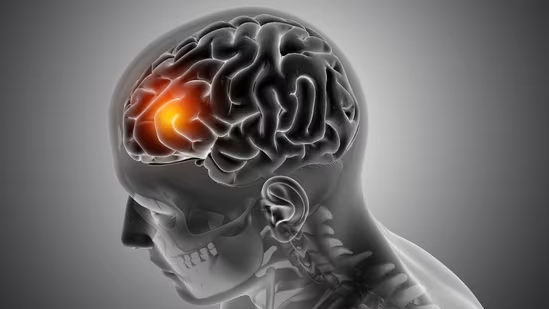
Here's what you need to know about this potentially deadly illness13:04, 27 Jun 2026A neurologist has issued a warning about a specific type of headache that could “kill you in hours”. He urged people they “should not ignore” this headache, as it could be caused by a potentially fatal infection.Headaches are a fairly common phenomenon. They can be caused by colds or flu, dehydration, stress, eyesight problems, and not eating regular meals among other thing.However, in other cases they can be a sign of something far more serious. In a video uploaded to social media platform, neurologist Dr Baibing Chen, warned that a headache caused by meningitis is an “emergency”.He said: “This headache can kill you in hours. And these are the warning signs that you should never ignore.Content cannot be displayed without consent“Now, I want to say most headaches are not emergencies, but meningitis is different.” Meningitis is an infection of the protective layers that cover the brain and spinal cord.It can be very serious and even life-threatening if not treated quickly. Dr Bing continued: “And it can be caused by things like viruses, bacteria, or even fungi.“The bacterial form of meningitis is the one that scares us the most because it can become life-threatening very quickly. And that's also one reason vaccines against bacteria like haemophilus, influenza type B, pneumococcus, and meningococcus have saved countless lives by preventing some of the most dangerous forms of bacterial meningitis.”If you experience a headache accompanied by other meningitis symptoms, you should seek immediate medical help. Dr Bing said: “The classic symptoms of meningitis are a severe headache, a high fever, a stiff neck and sensitivity to light.“Some people also become confused, extremely sleepy or develop a purple rash that doesn't fade when you press on it.” On the NHS website, it describes a meningitis headache as “a severe headache that is getting worse”.However, Dr Bing said that its early stages, meningitis might not look like a serious illness. He said: “Early on, meningitis can look a lot like common viral illnesses.“And that's one reason people sometimes wait too long before seeking medical care. So if someone has these symptoms, especially if they're not vaccinated, go to the emergency department immediately because getting evaluated and treated early gives doctors the best chance to identify the cause and start the right treatment as quickly as possible.”Causes of meningitisAccording to the NHS, meningitis can be caused by many different types of viruses or bacteria, which are spread through close contact with a person who has them. For example:Contact with the person's spit, such as kissing them, or sharing drinks or vapesBeing in close contact with the person for a lot of time, such as living in the same homeThe infection is usually spread by people who carry these viruses or bacteria but are not ill themselves.Although anyone can get it, meningitis is more common in:Babies and young childrenTeenagers and young adultsOlder peoplePeople with a weakened immune system – for example, people with HIV or having chemotherapyIt's important to note that it’s possible to get meningitis more than once.When to call 999The NHS says you should call 999 or go to A&E if an adult or child aged five years or over:Has a very high or very low temperature, feels hot or cold to the touch, or is shiveryHas a very painful headacheIs confused, has slurred speech, or is not making senseHas a stiff neck and cannot look at bright lightsHas a rash that does not fade when you press itHas a seizure (fit) for the first timeHas symptoms you're worried might be meningitisYou should also call 999 if a baby or child under five years:Article continues belowHas a very high temperature – 38C or more in babies under three months old, or 39C or more in babies three to six months oldHas a very low temperature – less than 36C, or feels cold to the touch or is shiveryHas a weak, high-pitched or continuous cryHas a rash that does not fade when you press itIs not responding like they normally do, is not feeding, or is floppy, difficult to wake or more sleepy than usualHas symptoms you're worried might be meningitisFor more information, visit the NHS website here.
Neurologist warns this headache can 'kill you in hours'
Here's what you need to know about this potentially deadly illness
704 words~3 min read