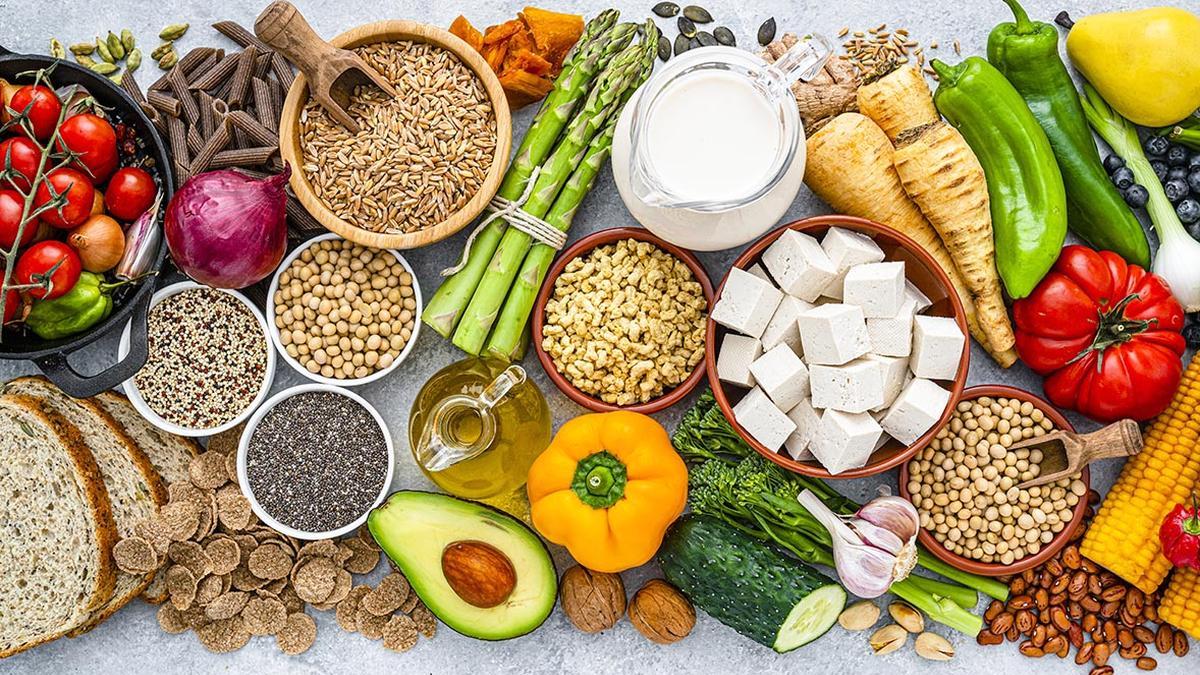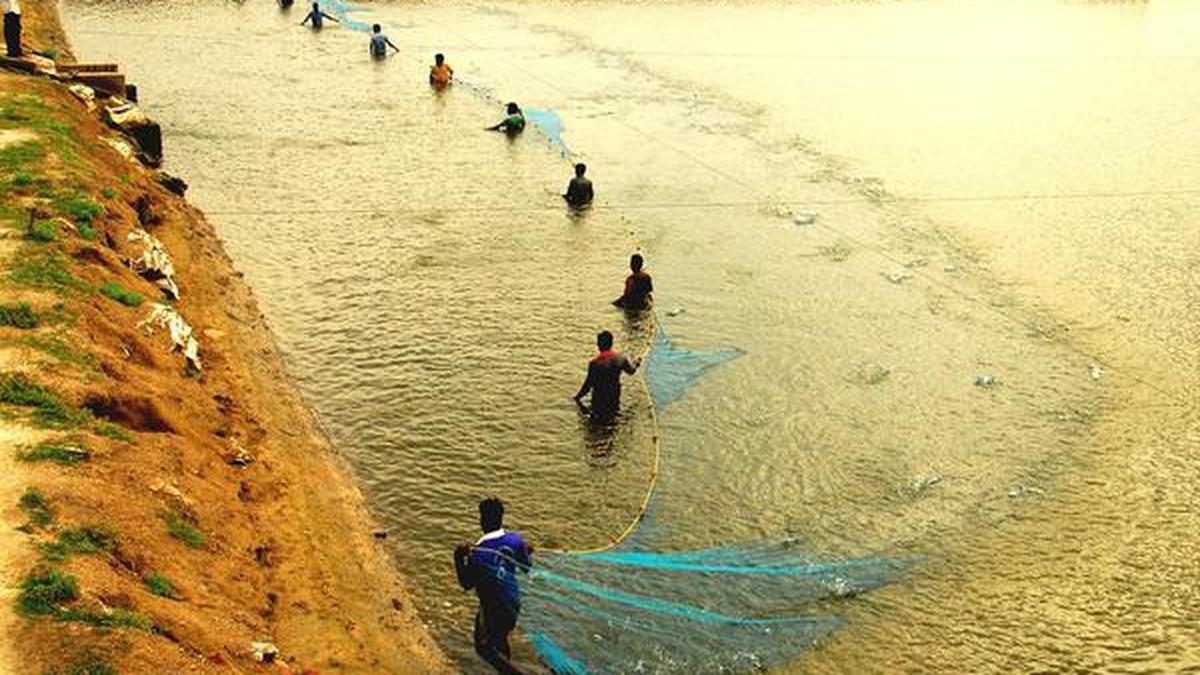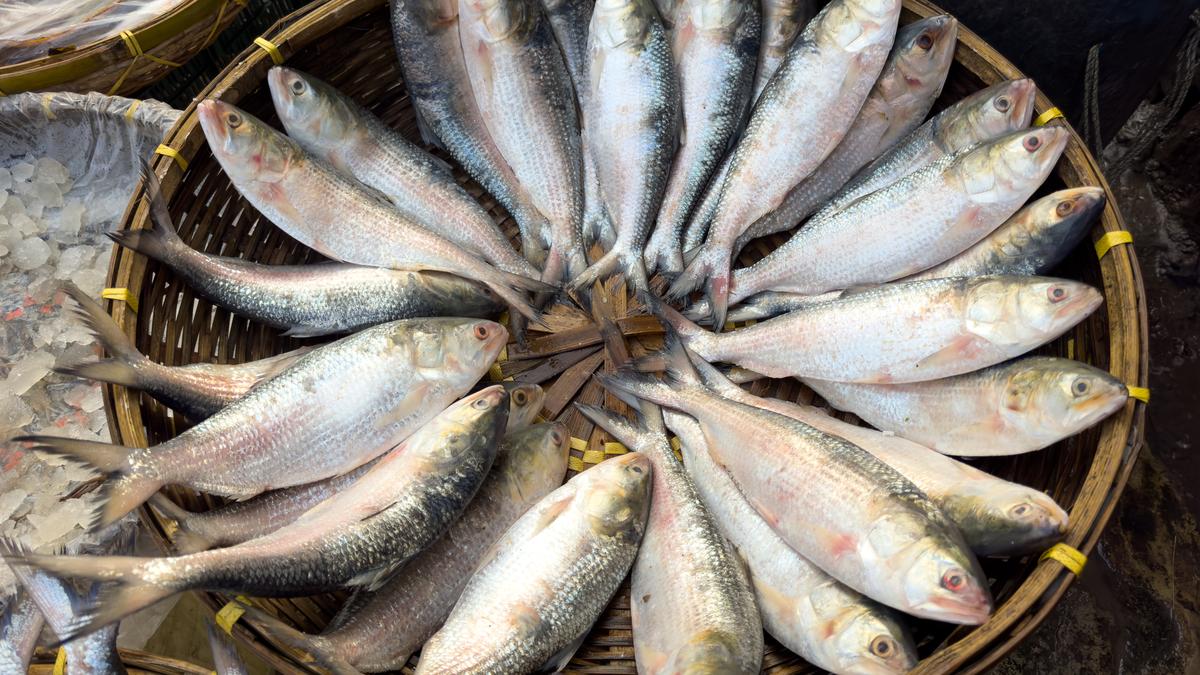
From discussions on evolution, human behaviour, the truth behind Ayurveda to conversations about food, sustainability and nutrition, Renaiessense ‘26 brought together experts from diverse fields at ECA Hall in Indiranagar, Bengaluru, recently. Organised by esSENSE Global, a non-profit organisation founded in 2017, under the Government of Kerala, the event featured a packed schedule of talks, panel discussions and interactive Q&A sessions designed to make science and knowledge accessible to wider audiences. Among the highlights were From Plate to Ocean: The Power of Responsible Seafood Choices by Mayuresh Gangal and Myths We Eat, a conversation featuring author Krish Ashok and moderator Arnold TR, both of which encouraged audiences to think more critically about the food on their plates.Responsible seafood choicesMayuresh is the co-founder of the Know Your Fish initiative. While he briefly traced the history of Indian coastal fisheries and the growing pressures on marine ecosystems, the focus of the session remained on consumers and the choices they make every day. With millions of Indians consuming seafood regularly, Mayuresh argued that demand plays a crucial role in determining what fish are caught, which fishing gear is used and ultimately the health of marine populations.The session centred on a simple question: what does it mean to make a responsible seafood choice? Mayuresh encouraged audiences to think beyond simply buying fish and instead consider factors such as breeding seasons, biological vulnerability and sustainability.“We consume almost 60% of all marine fish and 85% of all fish. So we are the ones who should be actively trying to find a solution,” he said.Using examples such as kingfish and pomfret, he explained how avoiding fish during breeding periods can allow populations to replenish naturally. He also highlighted how different fishing methods often catch multiple species at once, making seafood choices more interconnected than they appear.Drawing a comparison to financial planning, Gangal noted that just as people save and invest a portion of their income rather than spending everything immediately, fish populations too need the opportunity to regenerate. He urged consumers to be mindful of vulnerable species such as sharks and groupers, reduce unnecessary demand and make use of initiatives such as Know Your Fish, which provide information on breeding cycles and responsible consumption.The session ultimately reframed overfishing as not only an issue for governments or fishing communities, but one in which consumers have a direct role to play through informed and responsible seafood choices.If the first session encouraged audiences to rethink how they consume food, the second challenged assumptions about food itself.Myths we eatIn a free-flowing conversation with Arnold TR, author and content creator Krish Ashok reflected on the ideas behind his bestselling book Masala Lab, which examines cooking through the lens of science. Ashok argued that while food writing in India often centres on culture, history and nostalgia, relatively little attention is given to the physics, chemistry and biology that underpin everyday cooking.The discussion soon expanded into broader questions about authenticity and culinary identity. Ashok pointed out that many ingredients commonly associated with Indian cuisine today, including chillies, potatoes and capsicum, originated elsewhere before becoming deeply embedded in local food cultures. What people often regard as traditional cuisine, he suggested, is the result of centuries of exchange, adaptation and experimentation.Food traditions, he noted, are also intensely personal. A familiar refrain heard across households, “it’s not how my mother makes it”, reveals how individual tastes shape perceptions of authenticity. At the same time, that very attachment contributes to India’s extraordinary culinary diversity, where even neighbouring homes may prepare the same dish differently. He also debunked the myths around the dangers of using seed oil. He spoke about how the myth came to be. Since seed oil is cheaper in the West, people used it more, and therefore the only fear surrounding it was obesity. When used in moderation, seed oil is healthy because it is rich in polyunsaturated fats and provides essential fatty acids required by our bodies. “Food is the only foreign object you willingly put into your body, it will react anyways,” Ashok says. So rather than chasing internet-driven diet trends, he advocated evidence-based decision-making and a greater understanding of food within local cultural contexts.Audience questions later steered the conversation towards nutrition trends, organic food, protein consumption and popular diets. Ashok repeatedly encouraged audiences to approach such topics with curiosity and scepticism, cautioning against marketing buzzwords such as “superfood”, “natural” and “detox”. Though distinct in focus, both sessions arrived at a similar conclusion: informed choices matter. Whether considering the sustainability of seafood or questioning popular nutrition myths, the speakers urged audiences to look beyond assumptions and engage more critically with the food on their plates.
RENAIESSENSE ‘26 sessions spotlight sustainable seafood and food myths
In thoughtful discussions, the event in Bengaluru saw experts urging audiences to look beyond fads
771 words~4 min read