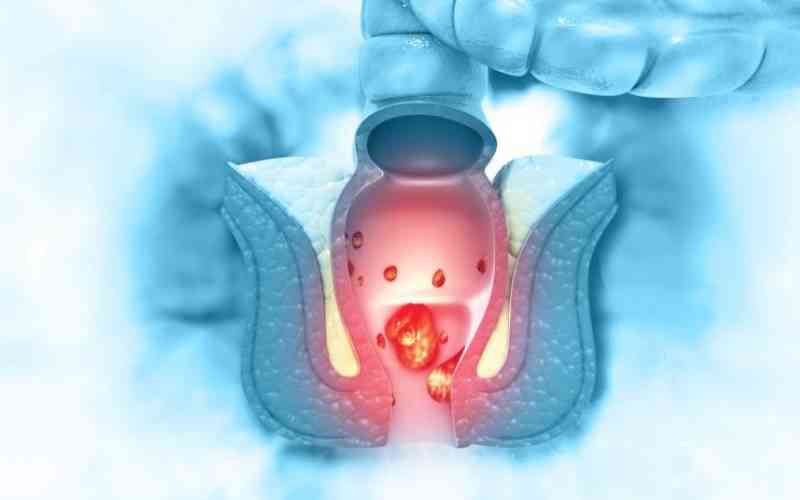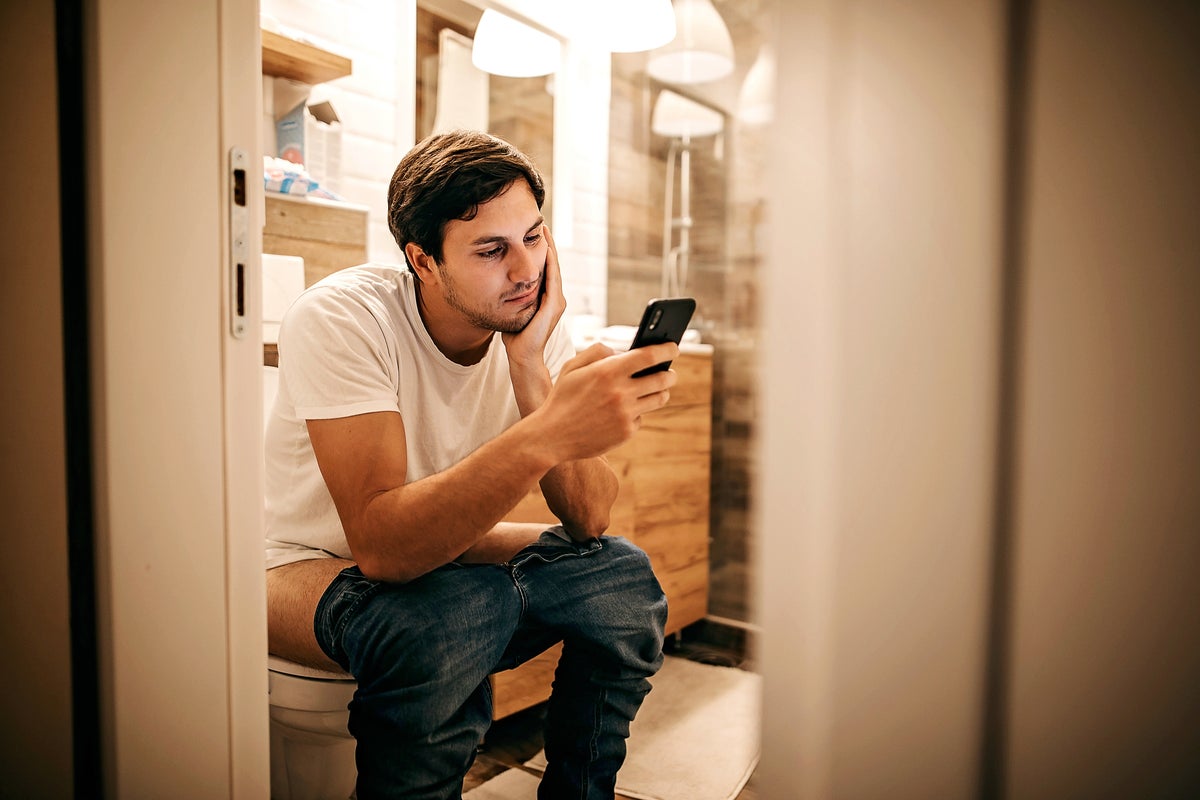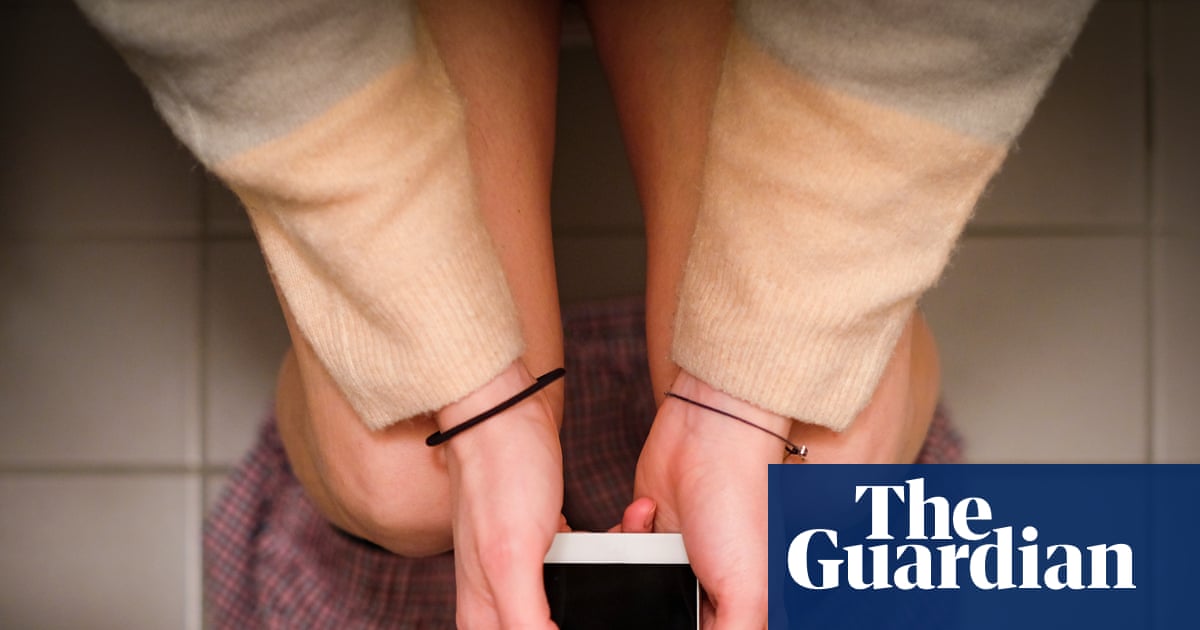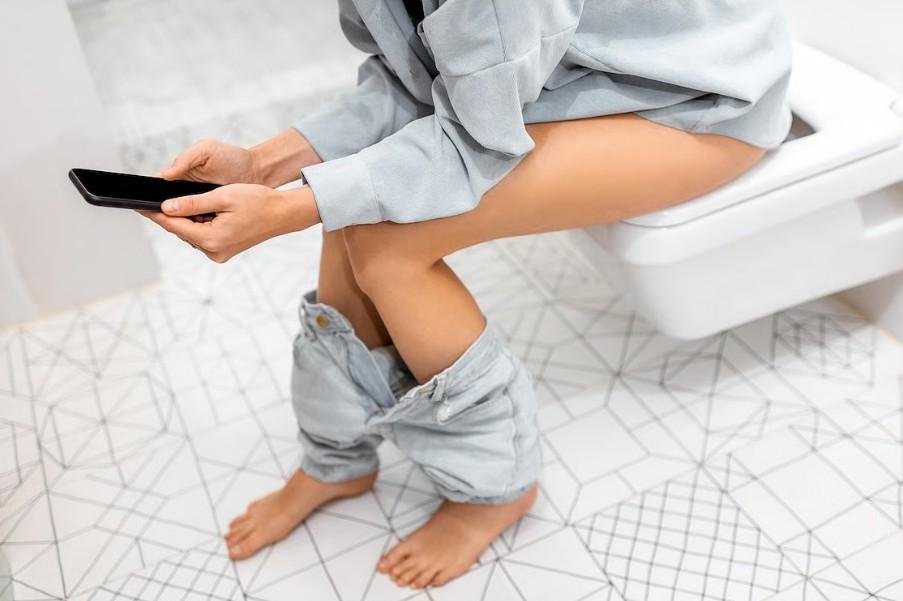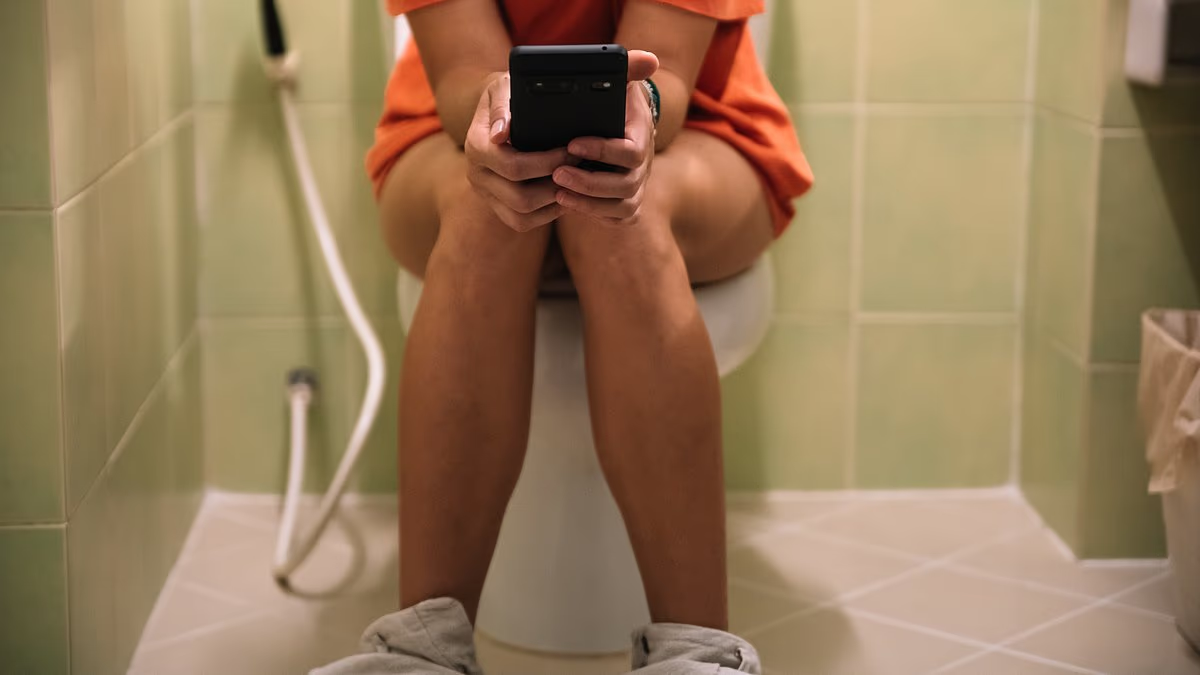
As many as one in four Britons suffer from haemorrhoids - but simple lifestyle changes could prevent the painful condition from occurring. Haemorrhoids, also known as piles, are caused by swollen and inflamed veins in the lower part of the rectum or anus.They can cause itching, pain and bleeding, especially during bowel movements. The problem can often be brought on by constipation and straining on the toilet, but chronic coughing and heavy manual labour can also cause them.Dr Mohammad Bakhtiar, Clinical Lead at Medical Express Clinic, tells the Daily Mail that they're almost impossible to avoid.'They're common because the modern way of living is almost designed to cause them: low fibre diets, too much sitting and straining on the loo. 'About half of people will have had them by the age of 50. They're one of the conditions patients are most embarrassed to mention, which is a shame because they're usually straightforward to treat.'Being overweight and pregnancy can also increase the risk.' Anatomically, we all have small cushions of blood vessels lining the back passage. They help with continence, and most of the time you'd never know they were there. Straining on the toilet is a major cause of piles 'Haemorrhoids are simply those cushions becoming swollen and engorged, usually from repeated pressure,' says Dr Bakhtiar. 'Anything that raises pressure in those veins can lead to piles - including heavy lifting with your breath held, that's why weightlifters often get them. 'Straining on the toilet is the big one and that is often the result of constipation. 'Prolonged sitting matters too, and the modern culprit is the phone. People sit on the loo scrolling for ten or fifteen minutes, and that sustained pressure is exactly what we're trying to avoid.'Some people inherit weaker tissue in and around the back passage, which leaves them more prone to piles regardless of how careful they are.But regardless of if you're genetically inclined to piles or not, there are steps that everyone can take to keep their back passage bulge-free.The most obvious is to make sure you're eating a diet with plenty of fibre and staying hydrated. 'This is where most of the prevention happens,' says Dr Bakhtiar. 'Fibre softens and bulks the stool so it passes without effort, and that removes the straining that causes piles in the first place.'The evidence here is genuinely good: raising fibre intake cuts the risk of persistent symptoms and of bleeding by roughly half.' The NHS recommends that adults eat around 30g of fibre a day - but the average Briton only eats around half of that benchmark. Piles are caused by swollen blood vessels in the rectum
Doctor lists simple lifestyle changes that can help prevent piles
As many as one in four Britons suffer from haemorrhoids - but simple lifestyle changes could prevent the painful condition from occurring.
875 words~4 min read