I've been a backend developer for about six years, and I thought I had the interview game figured out. Then I applied for a senior role at a FAANG-adjacent company, and the first round of live coding hit me like a truck. I froze. I could solve LeetCode mediums in my sleep, but under the gun with a stranger watching? My brain turned to static.
After bombing that interview, I decided I needed more than just dry practice. I needed a way to simulate the pressure, the unexpected follow-ups, and the weird silences. I tried peer mock interviews, but scheduling was a nightmare, and feedback often missed the small things—like how I talk through my thought process, or whether I jump to code too quickly.
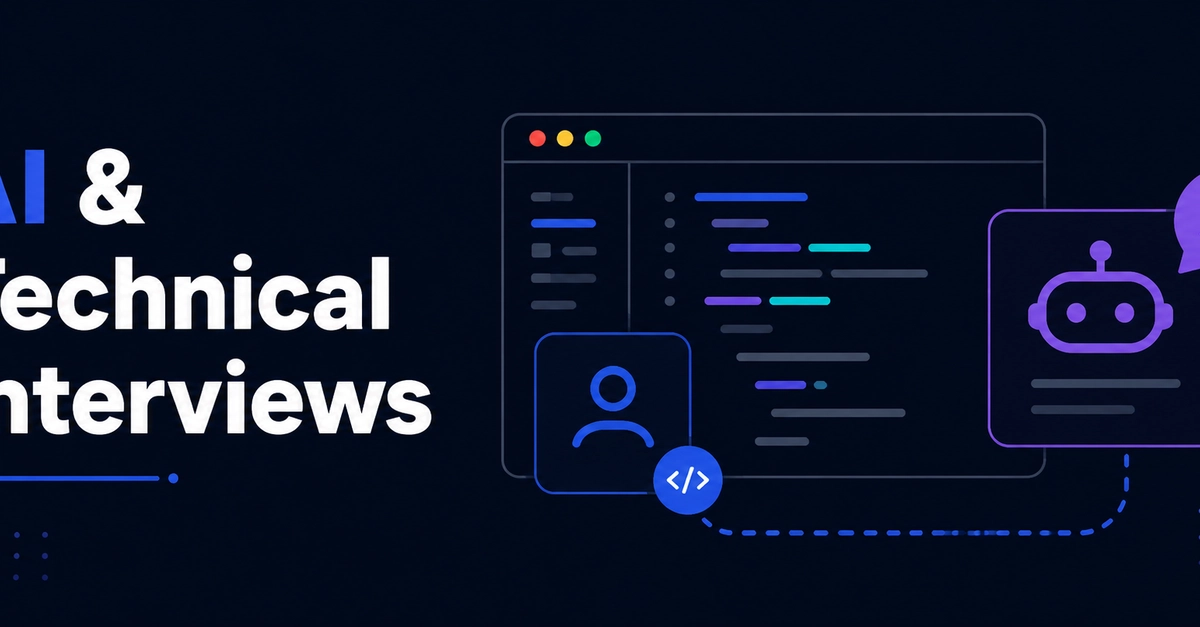
That's when I turned to AI. Not to replace human interviewers—but to build a dedicated, on-demand practice partner. Here's how I did it, the code I used, and the trade-offs I discovered.
The Problem: You Can't Practice Like It's Real
I had been preparing for weeks. I could recite Big O notation in my sleep. But I realized that most of my practice was static: I'd look at a problem, think it through, maybe scribble some pseudocode, then check the solution. That's not an interview. An interview is a live, interactive conversation. You need to explain your reasoning, handle interruptions, and occasionally correct course when the interviewer drops a hint.