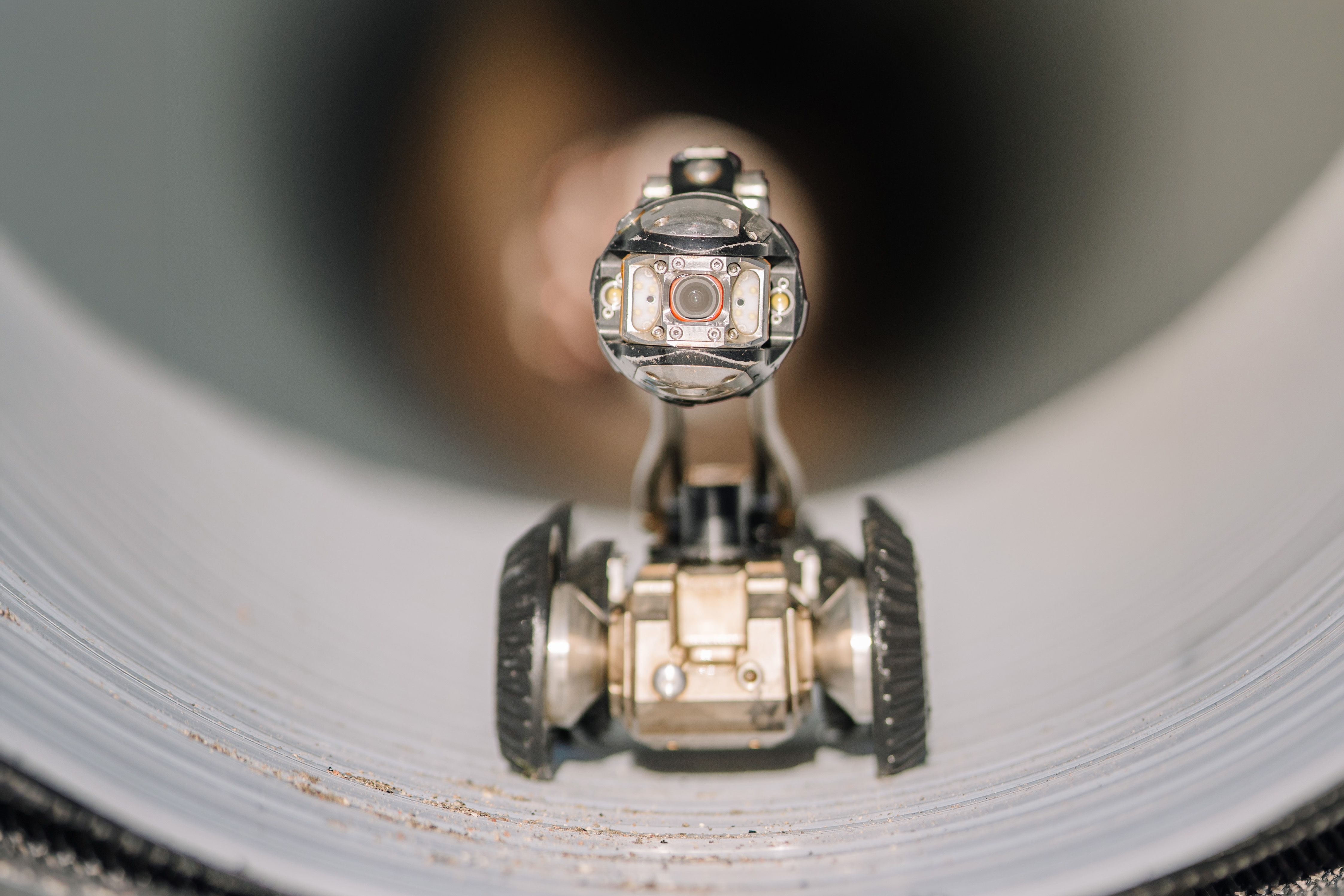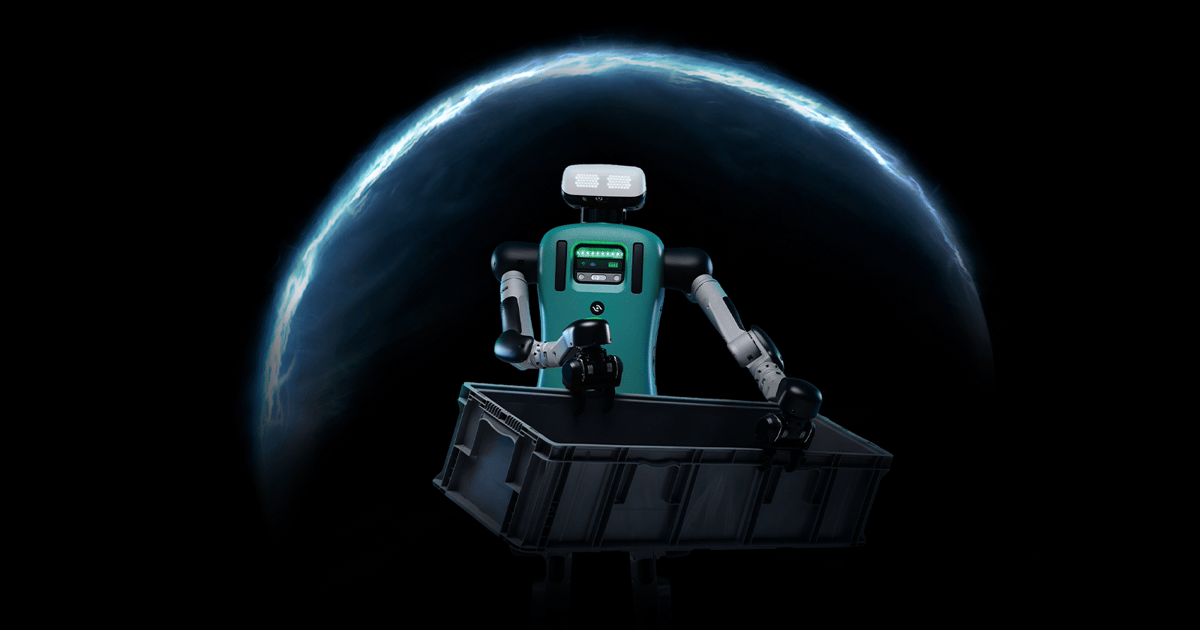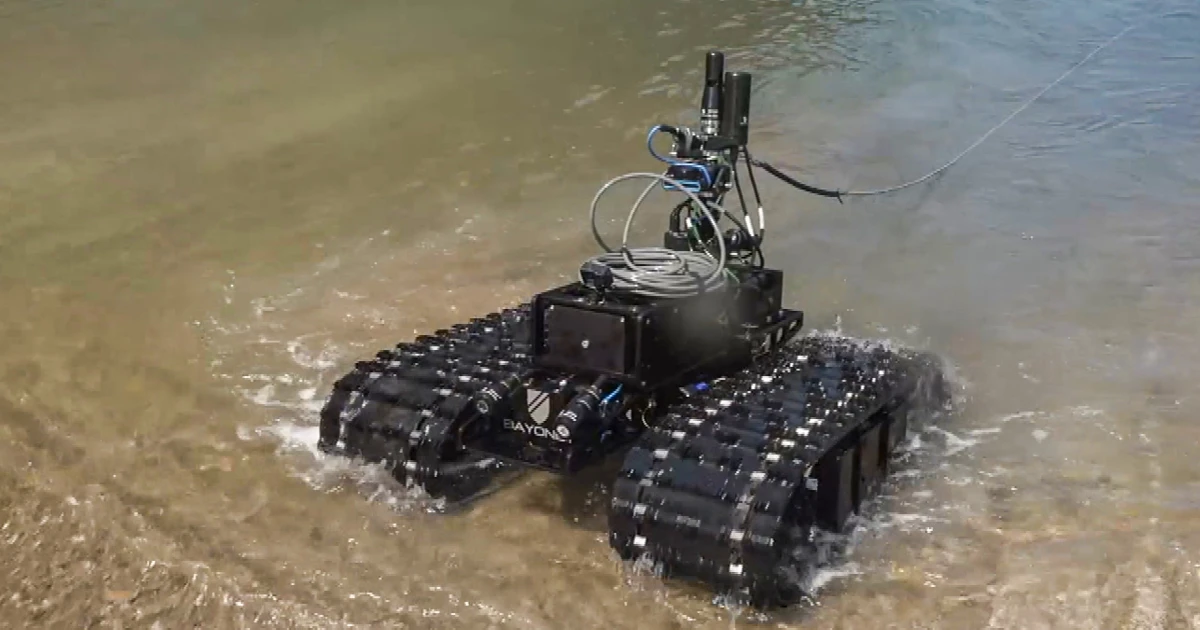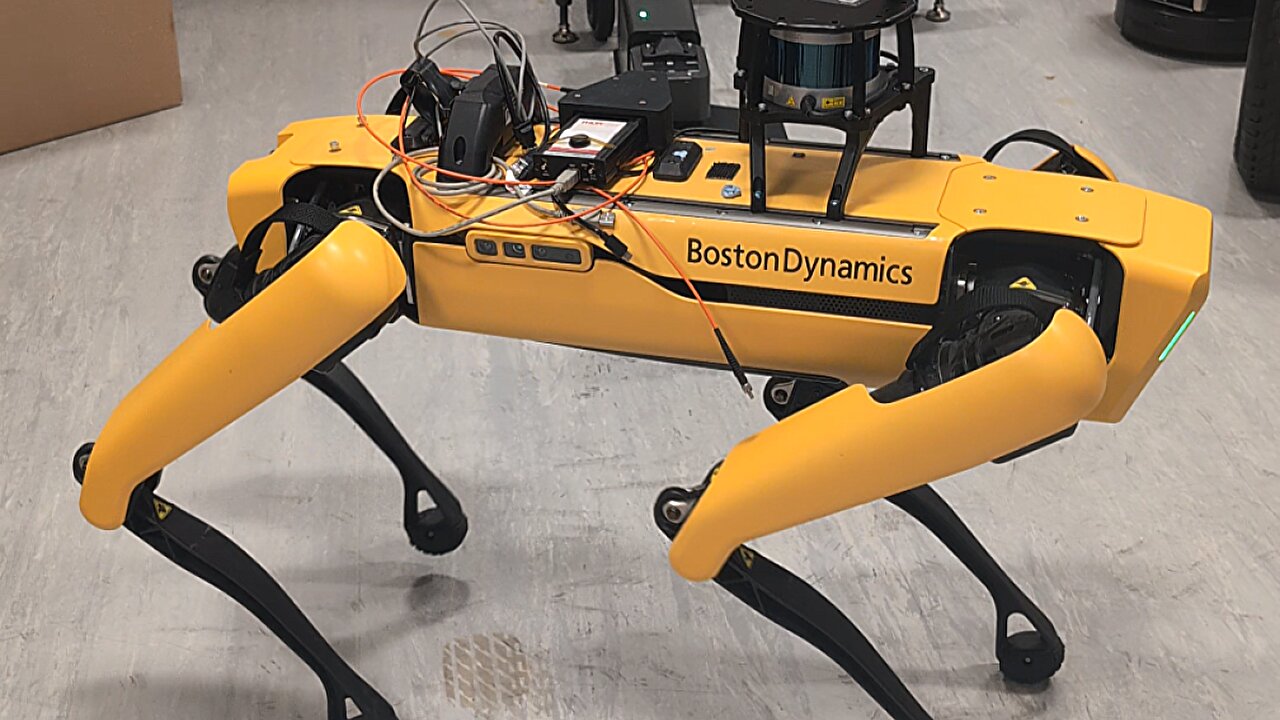
Robots that can see beyond human vision, build live 3D maps of unknown environments and identify what objects are made of are being developed by researchers at the University of Surrey, opening new possibilities for applications in nuclear inspection, rail and building safety, and search and rescue in combat zones.
Working in collaboration with Kent-based company Industrial 3D Robotics and spectroscopy specialists IS-Instruments, the team is combining advanced imaging and AI mapping technologies that give robots material awareness of their surroundings.
Unlike conventional cameras, which mimic human vision using red, green and blue light, the robots are equipped with hyperspectral vision, meaning they can capture information across many more wavelengths, including parts of the infrared and ultraviolet spectra.
These cameras record the unique spectral fingerprint of materials, helping robots distinguish rust from dirt, identify suspicious objects or freshly disturbed ground, and even tell visually identical pills apart.
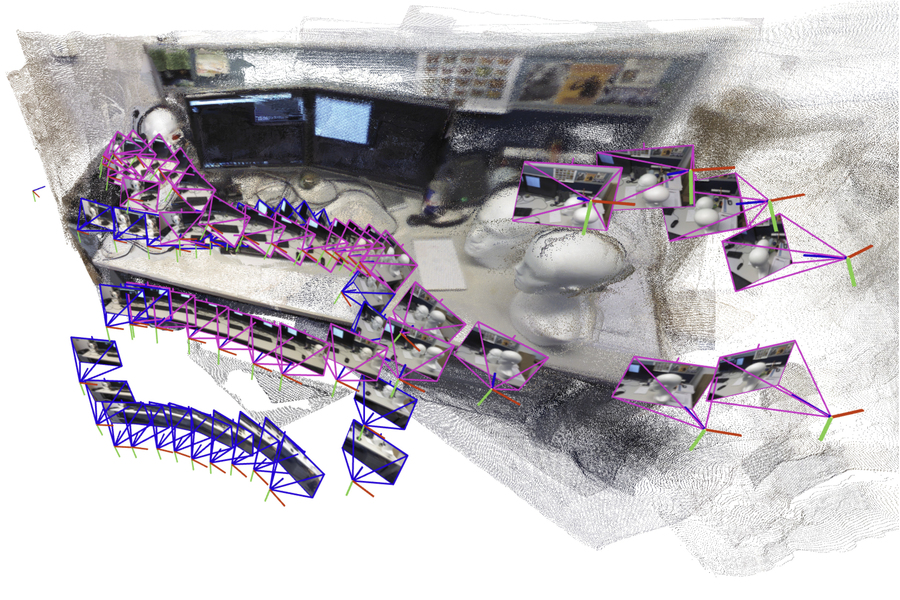
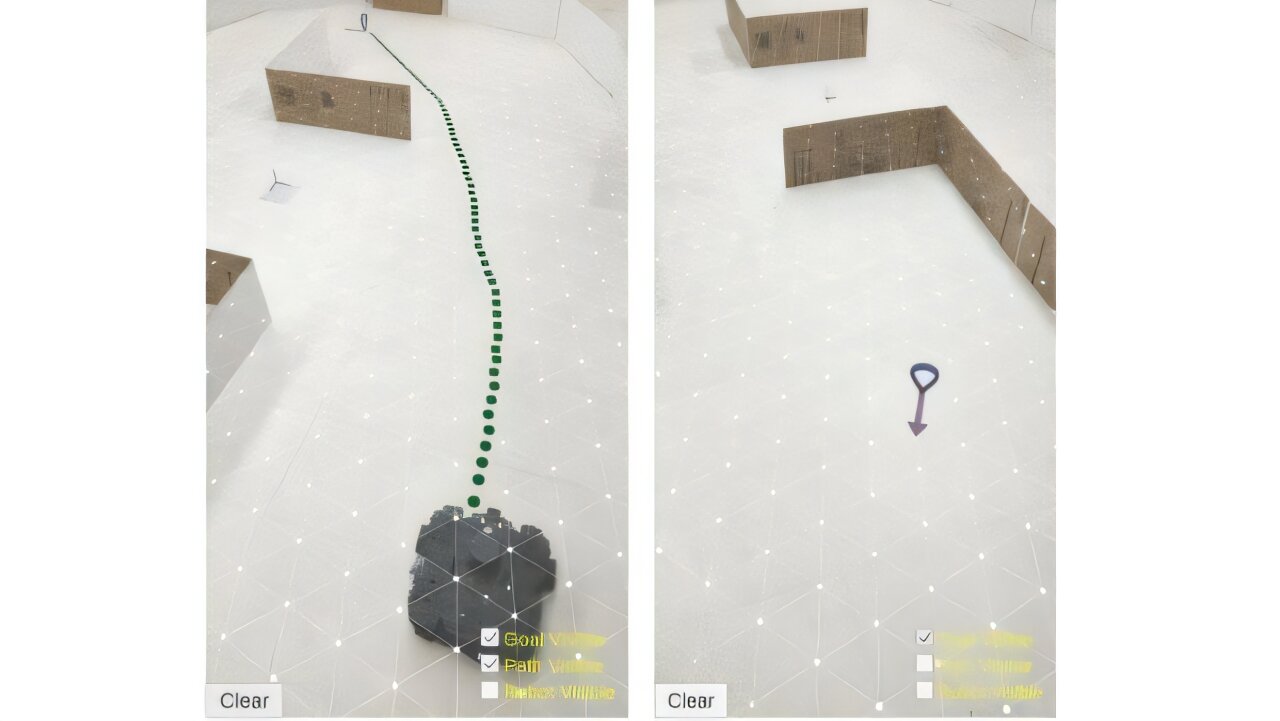
The systems combine the visual information with Simultaneous Localization and Mapping (SLAM)—a technique that enables autonomous robots to navigate and map unfamiliar environments in real time—alongside FeatureSLAM, an AI-powered system that helps robots create highly detailed, realistic 3D maps with a greater understanding of the objects and environments around them.