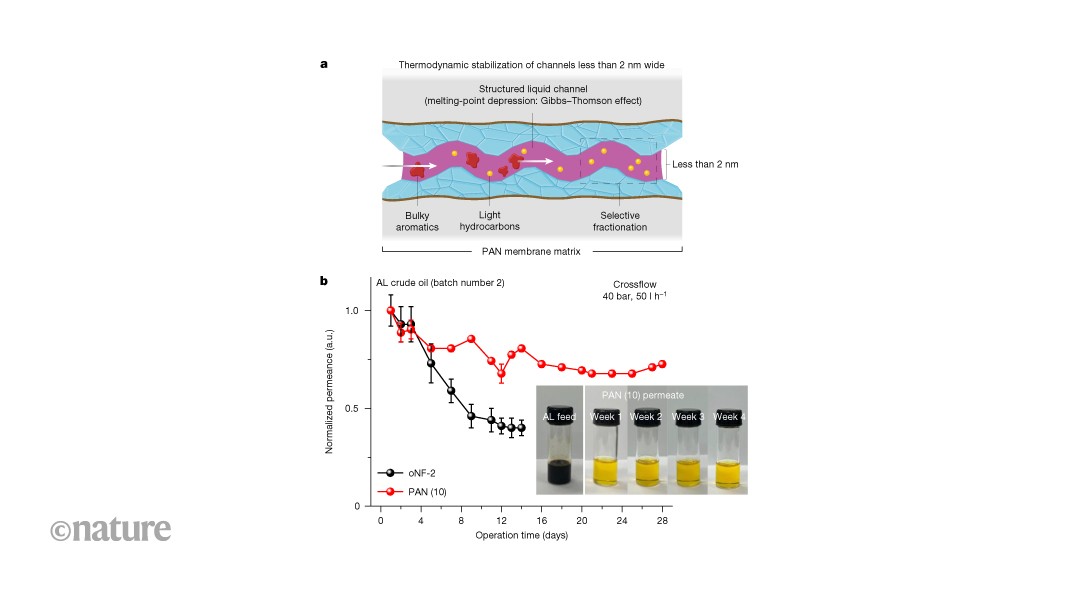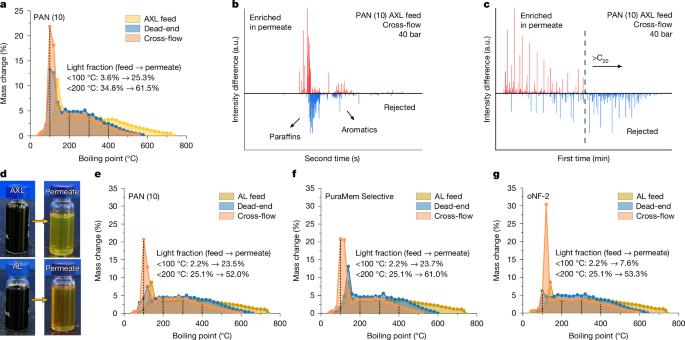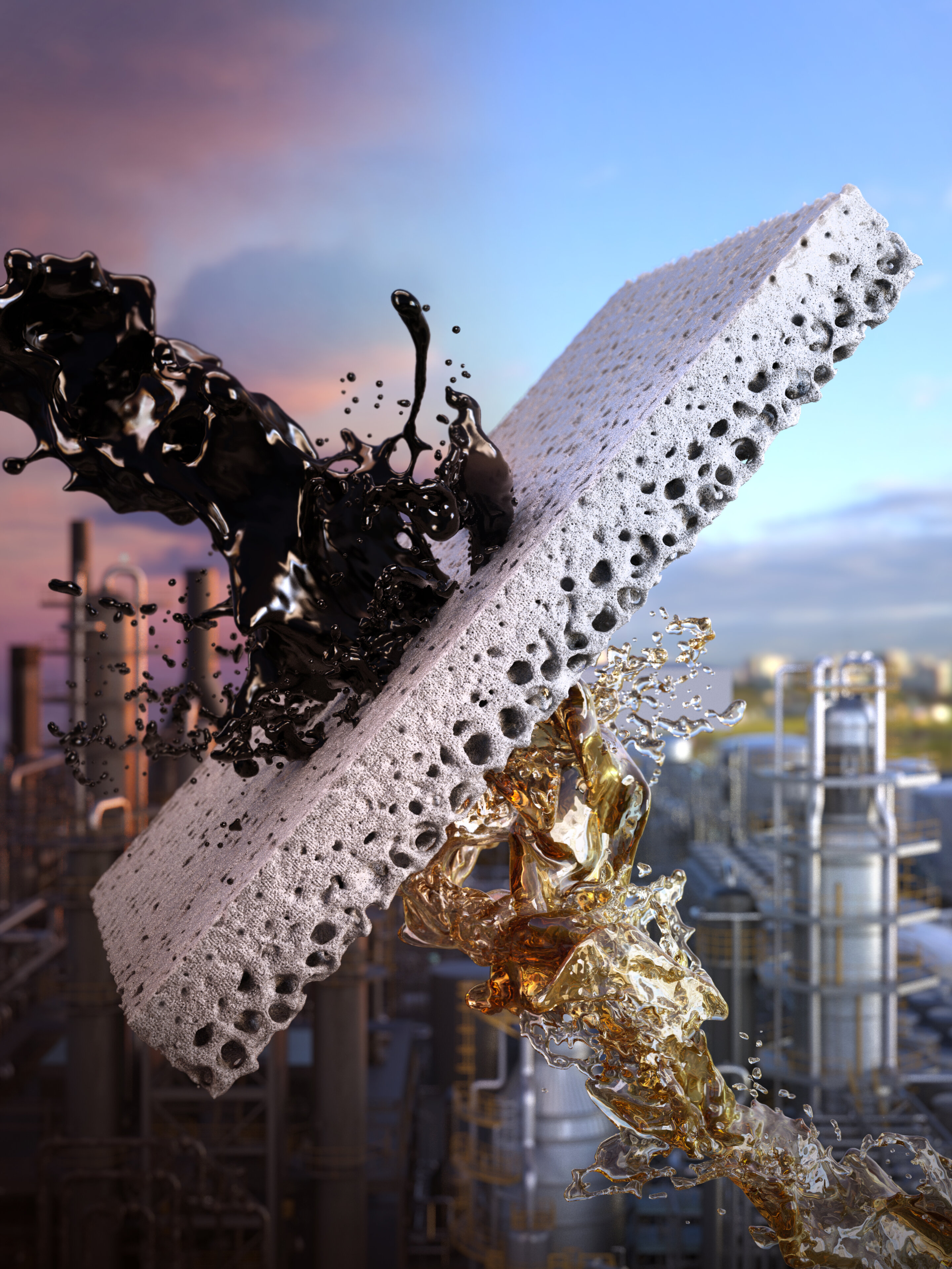
Simple synthetic membrane supports yield surprisingly selective separation of real crude oils at steady state. Credit: KAIST
An international research has developed a membrane technology that could significantly reduce the energy required for crude oil refining by replacing part of the century-old distillation process.
The team led by Professor Dong-Yeun Koh of KAIST, in collaboration with Professor Ryan Lively's group at Georgia Tech, demonstrated a simple and inexpensive membrane capable of separating crude oil at room temperature without heating. The research was published in Nature.
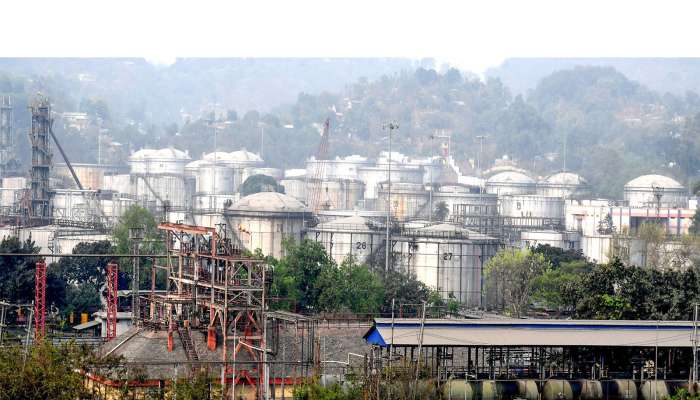
Crude oil underpins modern life by providing not only transportation fuels but also essential feedstocks for plastics, packaging materials, textiles and countless consumer products. Because the cost of refining directly influences the price of these products, technologies that reduce refining energy consumption can generate substantial economic and environmental benefits.
Traditionally, refineries separate crude oil through distillation, a process that heats crude oil above 350°C (662°F) to vaporize it and then cools the vapor to recover different fractions.