(Image credit: Future)
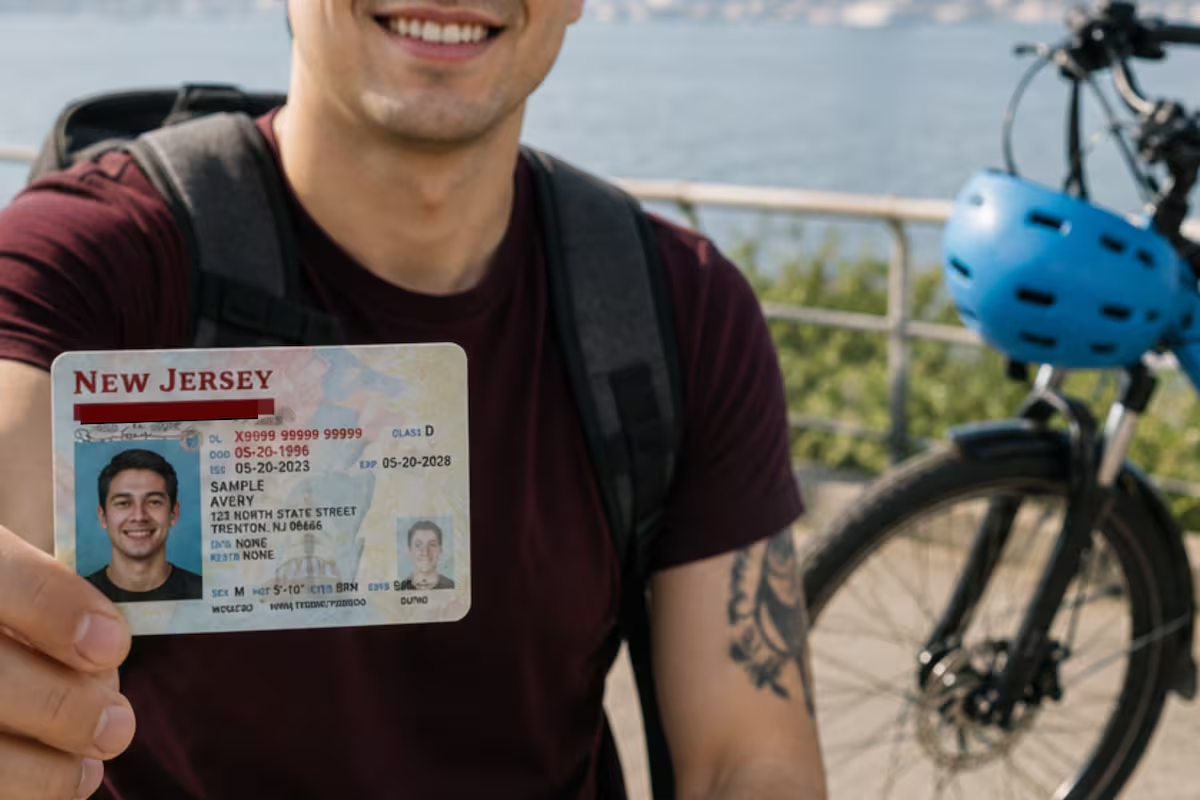
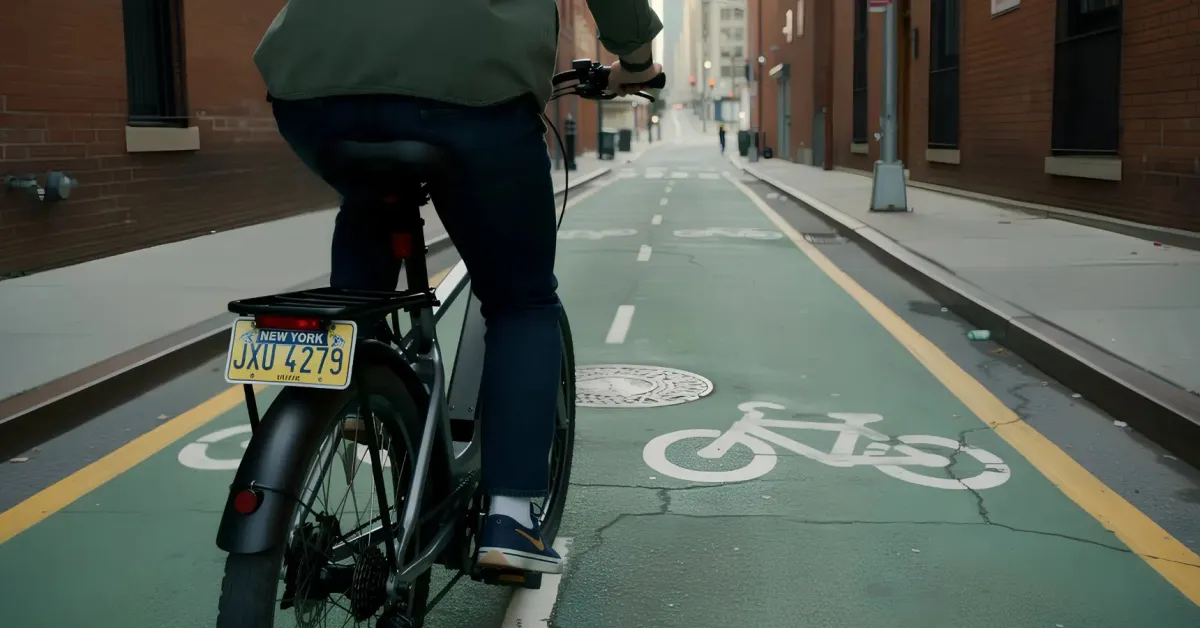
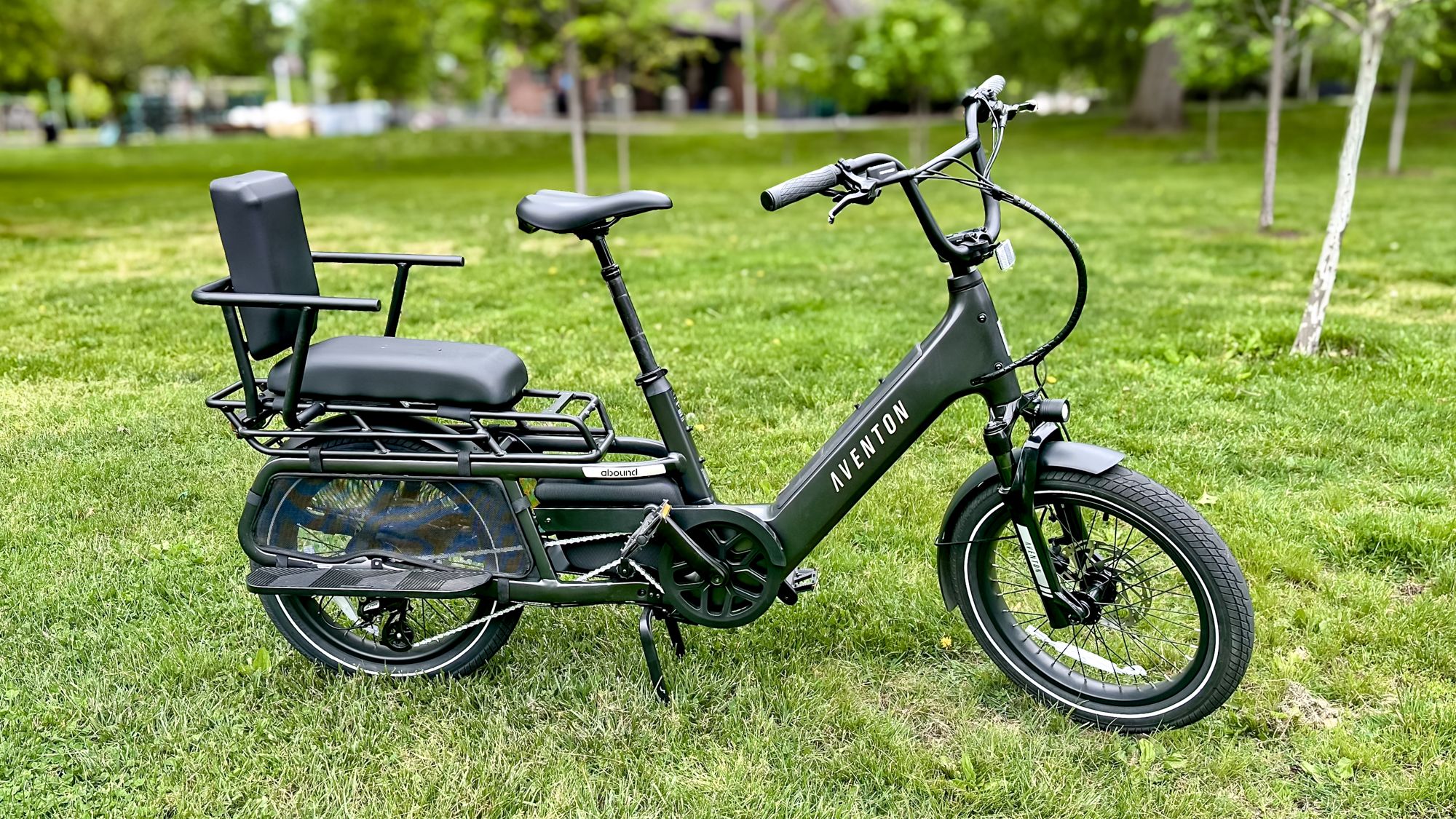
I get it. Every day, there's a new story about some kid getting injured or even killed while riding an electric bike. When I'm walking in New York City, I've more than one nearly been run down by someone flying along on their e-bike, oblivious to the pedestrian right-of way.So I agree that e-bike laws are needed, but the one that's about to go into effect in New Jersey — my home state — goes way too far, which will put a damper both on the economy and the environment.As someone who rides an ebike almost every day, here's how I'd change it to have it make more sense.What the law saysNew Jersey's new e-bike law, which goes into effect on July 19, defines an e-bike as:Low-Speed Electric Bicycles – Pedal assisted bicycles with a helper motor that only provides assistance while pedaling up to 20 MPH.Motorized Bicycle/Moped -- Pedal assisted bicycles with either:An engine under 50 cubic centimeters, orAn electric motor that assists while pedaling between 21 and 28 mph, orAn electric motor that assists with using a throttle up to 15 mph.That's pretty much every e-bike in existence. If you own one of these bikes, you have to do the following:Be at least 15 years old and have (1) an e-bike license or (2) a valid driver’s license.Register your e-bike with the New Jersey Motor Vehicle CommissionGet insurance for any motorized bicycle.If you don't have a driver's license, you have to make an appointment for an initial e-bike permit and complete an application (BA-208 form) for an e-bike permit, and then take a knowledge and eyesight test, followed by a road test.To register your e-bike, you first have to get it insured (if it's classified as a motorized bicycle), then make an appointment at a vehicle center to get it registered with the MVC, who will then give you stickers to attach to the bike's frame — a sort of mini- license plate.Get instant access to breaking news, the hottest reviews, great deals and helpful tips.Fortunately, license and registration fees have been waived until January 2027, though it's not clear how much they'll cost afterwards. This feels like just another money grab from the state.I also looked up how much it would cost to insure an e-bike with a throttle up to 20 MPH: At minimum, it would cost $100 per year with a $500 deductible, and that's without any coverage for liability or medical.Laws are needed, but this is too muchI agree that legislation is needed to make sure that people are using e-bikes safely and properly, but this is too much.For starters, the law (and the MVC's site) is frustratingly vague on this point, as the two muddle the definition between a "low-speed electric bicycle" and a "motorized bicycle." Here's what the statues say:Low-speed electric bicycle: A two or three-wheeled vehicle with fully operable pedals and an electric motor of less than 750 watts, that meets the requirements of one of the following classifications: "class 1 low-speed electric bicycle" which means a low-speed electric bicycle equipped with a motor that provides assistance only when the rider is pedaling, and that ceases to provide assistance when the bicycle reaches the speed of 20 miles per hour; or "class 2 low-speed electric bicycle'' which means a low-speed electric bicycle equipped with a motor that may be used exclusively to propel the bicycle, and that is not capable of providing assistance when the bicycle reaches the speed of 20 miles per hour.Motorized bicycle: A pedal bicycle having a helper motor characterized in that either the maximum piston displacement is less than 50 cc. or said motor is rated at no more than 1.5 brake horsepower or is powered by an electric drive motor and said bicycle is capable of a maximum speed of no more than 25 miles per hour on a flat surface or a pedal bicycle having an electric motor that is capable of propelling the bicycle in excess of 20 miles per hour with a maximum motor-powered speed of no more than 28 miles per hour on a flat surface. This term shall not include a low-speed electric bicycle or low-speed electric scooter as defined in this section.However, the MVC's site classifies a low-speed electric bicycles as a "pedal assisted bicycles with a helper motor that only provides assistance while pedaling up to 20 mph, and a motorized bicycle as "an electric motor that assists with using a throttle up to 15 mph."The difference between the two classifications is big. If you have a low-speed ebike, then you don't need to purchase insurance. But does that mean any e-bike with a throttle needs to be insured?If a legal expert can shed light on this, please let me know in the comments.The law doesn't even cover electric scooters, many of which can go just as fast — if not faster — than ebikes, and are a lot less stable at high speeds.Regardless of the insurance question, having to register any and all ebikes with the MVC is just another annoying bureaucratic hassle. As anyone knows, dealing with the MVC on a good day is a nightmare, as people in New Jersey are still trying to get their Real IDs. Throw thousands of ebike owners into the mix, and it gets even worse.Here's how I'd rewrite the lawAnyone riding a bike — e-bike or otherwise — needs to wear a helmet. This is just common sense. Brain injuries are the biggest issue when riding bikes. Making everyone wear a helmet will inevitably save lives.Require registration for e-bikes with throttles that go over 28 MPH. These bikes are getting into the territory of mopeds and motorcycles, so it makes sense to group them together, rather than lower-speed bikes.Limit kids under 17 to pedal-assist only ebikes. They're young and have lots of energy, so they shouldn't need a throttle, which encourages more reckless behavior.As someone who tests some of the best electric bikes, this new law is certainly going to put a wrinkle in my plans if I have to register and insure every new e-bike I test with the MVC.But outside of work, I use an e-bike almost every day to go into town, commute to the train station, and bring my kid to school or to her activities. In the process, I've saved hundreds of miles of mileage on my car — and plenty of money on gas, too.At a time when we should be encouraging people to use alternative methods of transportation, this legislation will make it more expensive and more onerous to purchase and own an electric bike. It's almost certainly going to put a damper on e-bike sales in the state, and will also discourage people from riding the e-bikes they own — and back into their cars. And that's the last thing I want.Let me know in the comments — what do you think about NJ's e-bike law, and how would you change it?