New Jersey’s controversial new e-bike law was pitched as a way to improve safety, but with its July 19 implementation date rapidly approaching, a growing number of riders, advocates, and even lawmakers are arguing that the state may have gone too far.
A rally at the New Jersey Statehouse last week drew a large crowd of supporters calling for the law to be amended or replaced. At the center of the controversy is the fact that the legislation treats nearly every type of e-bike the same, from a 20 mph (32 km/h) pedal-assist commuter bike to the much faster electric motorcycles and e-motos that have become increasingly common on streets.
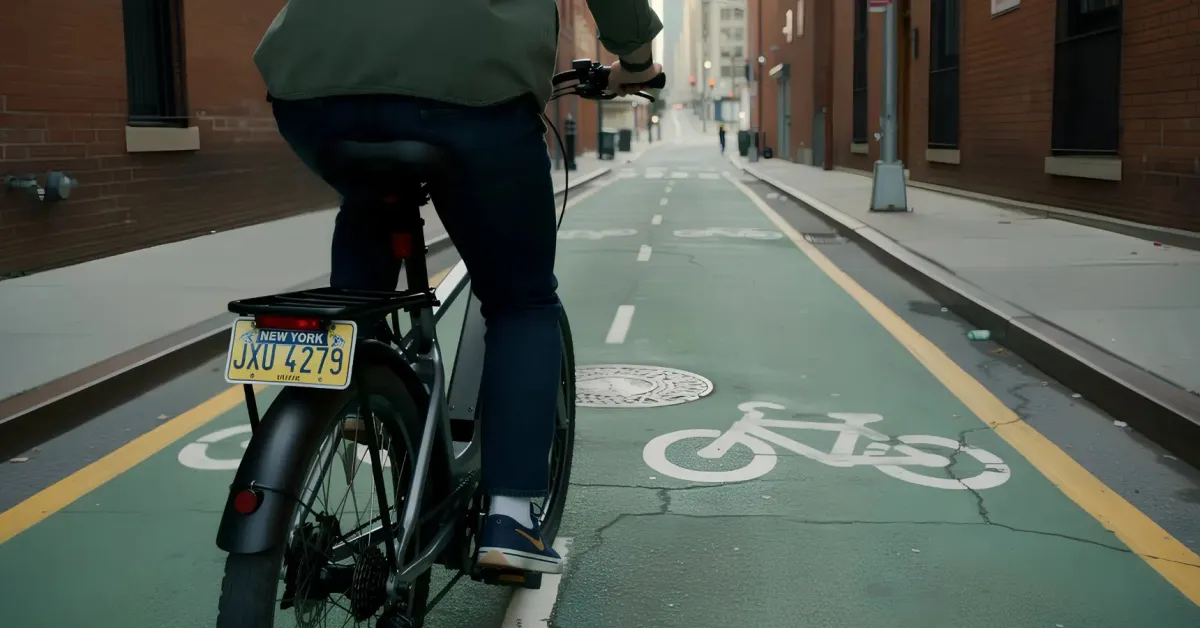
The law requires all e-bikers to be licensed in the state and sets out insurance and registration requirements.
The distinction between electric bicycles and e-motos is one that many of us in the e-bike industry have been making for years. While media headlines often lump everything with two wheels and a battery into the “e-bike” category, there’s a world of difference between a Class 1 or Class 2 electric bicycle and a high-powered electric motorcycle that can easily keep up with city traffic.
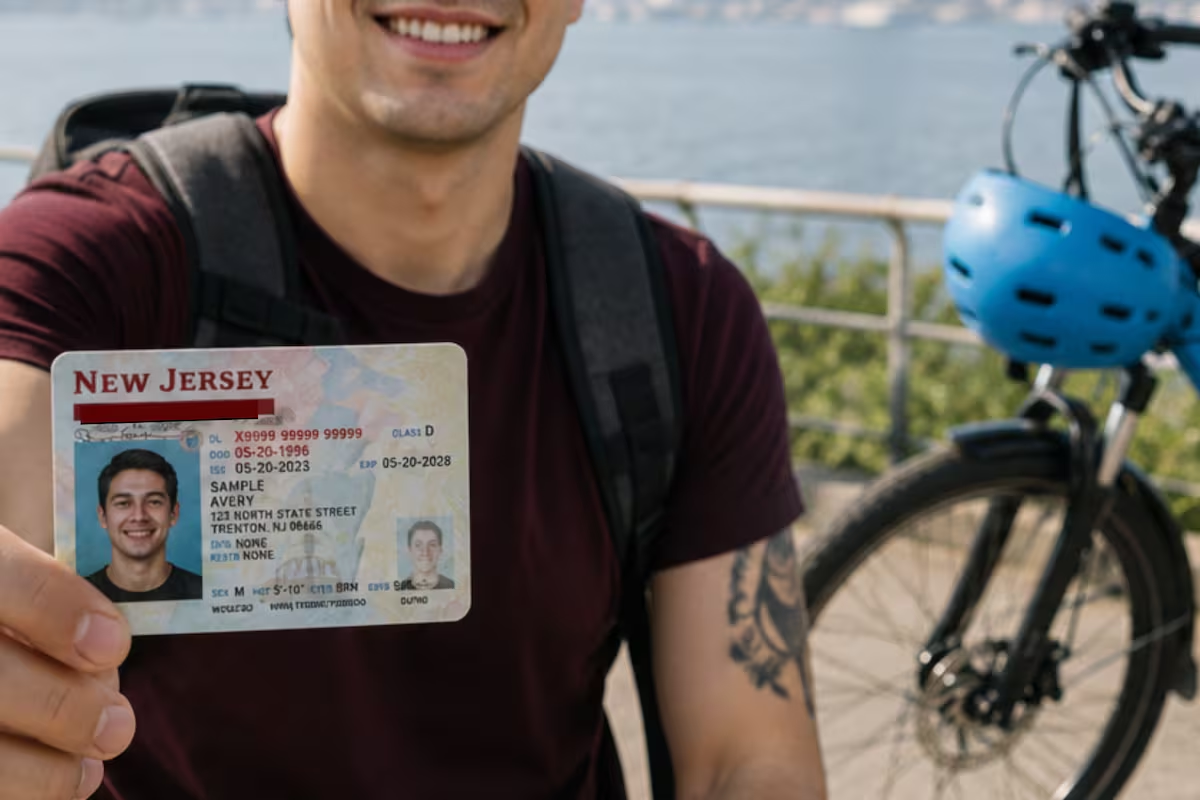
Under the new law, all three classes of e-bikes will require registration, and riders will need a license. Adults with a driver’s license are covered, but younger riders and those without one will have to obtain a separate e-bike license. The law also introduces additional requirements for higher-powered machines, though confusion remains over exactly which vehicles will require insurance.