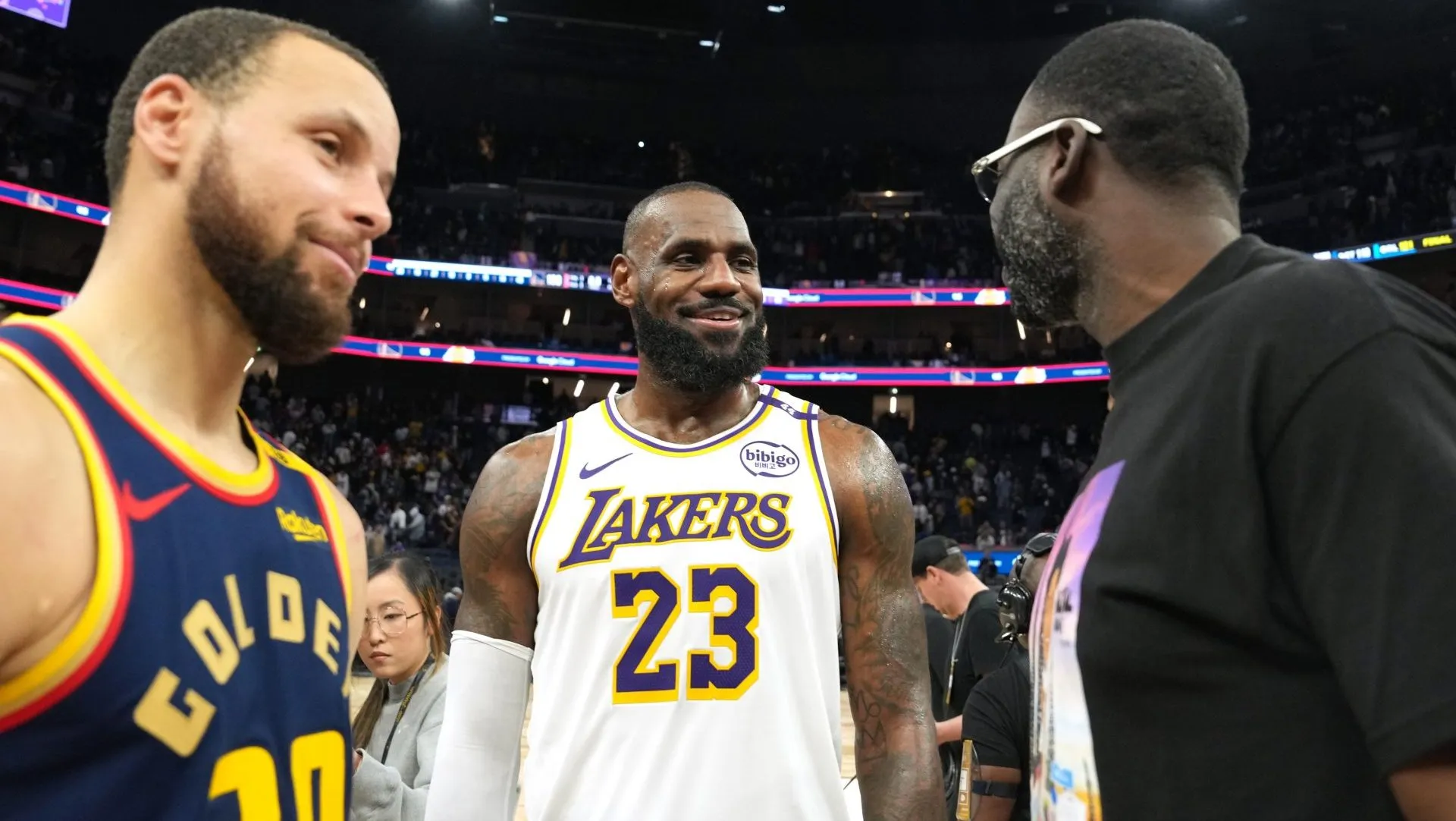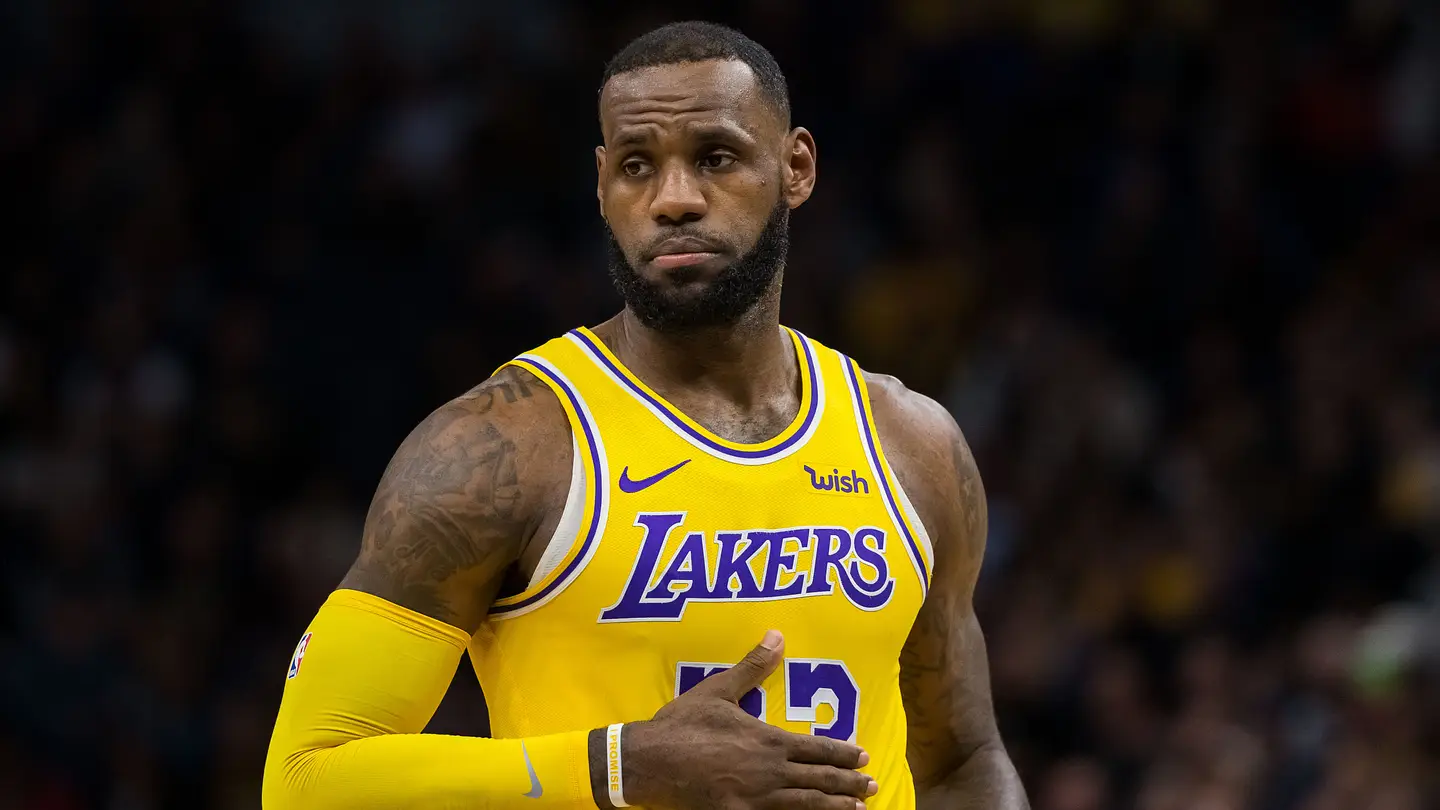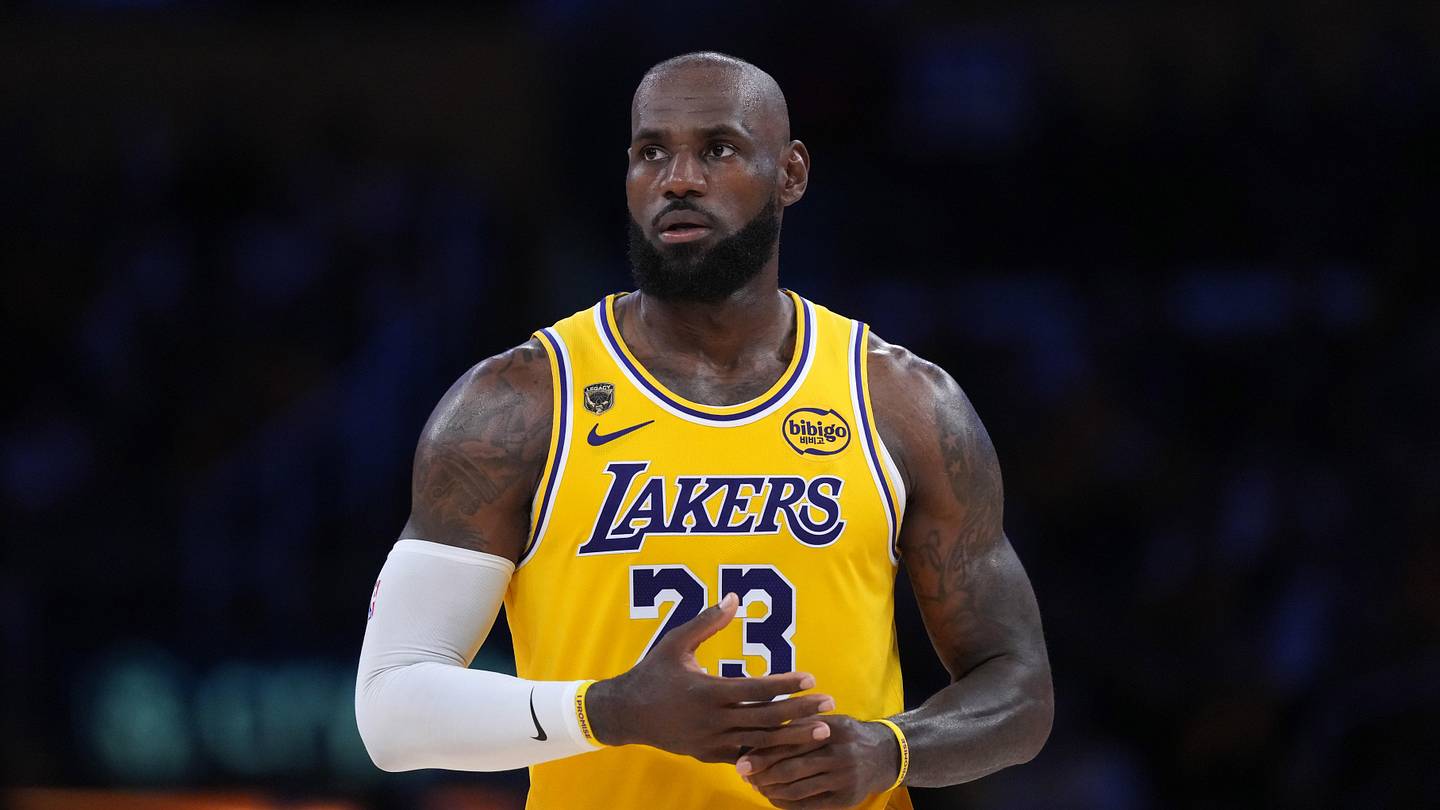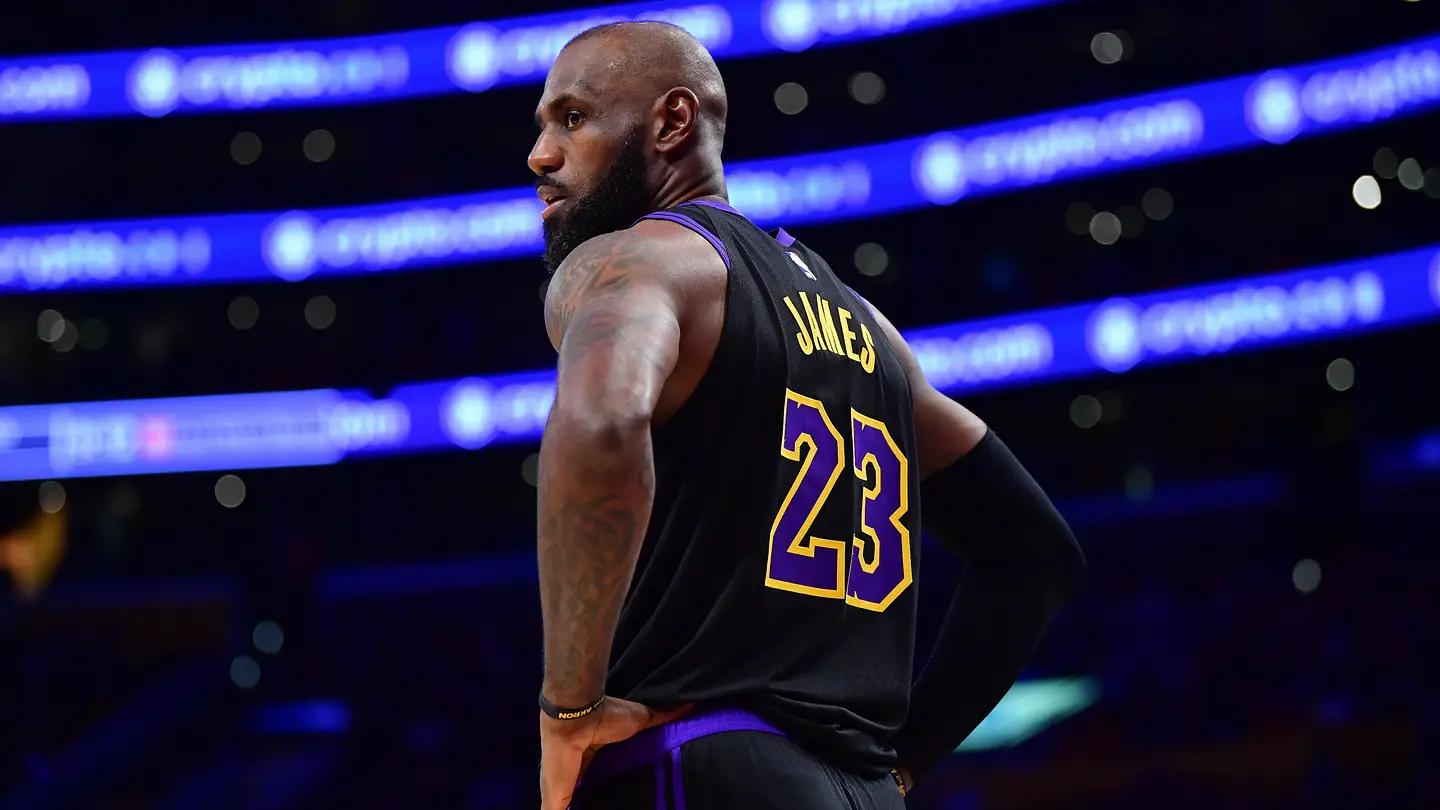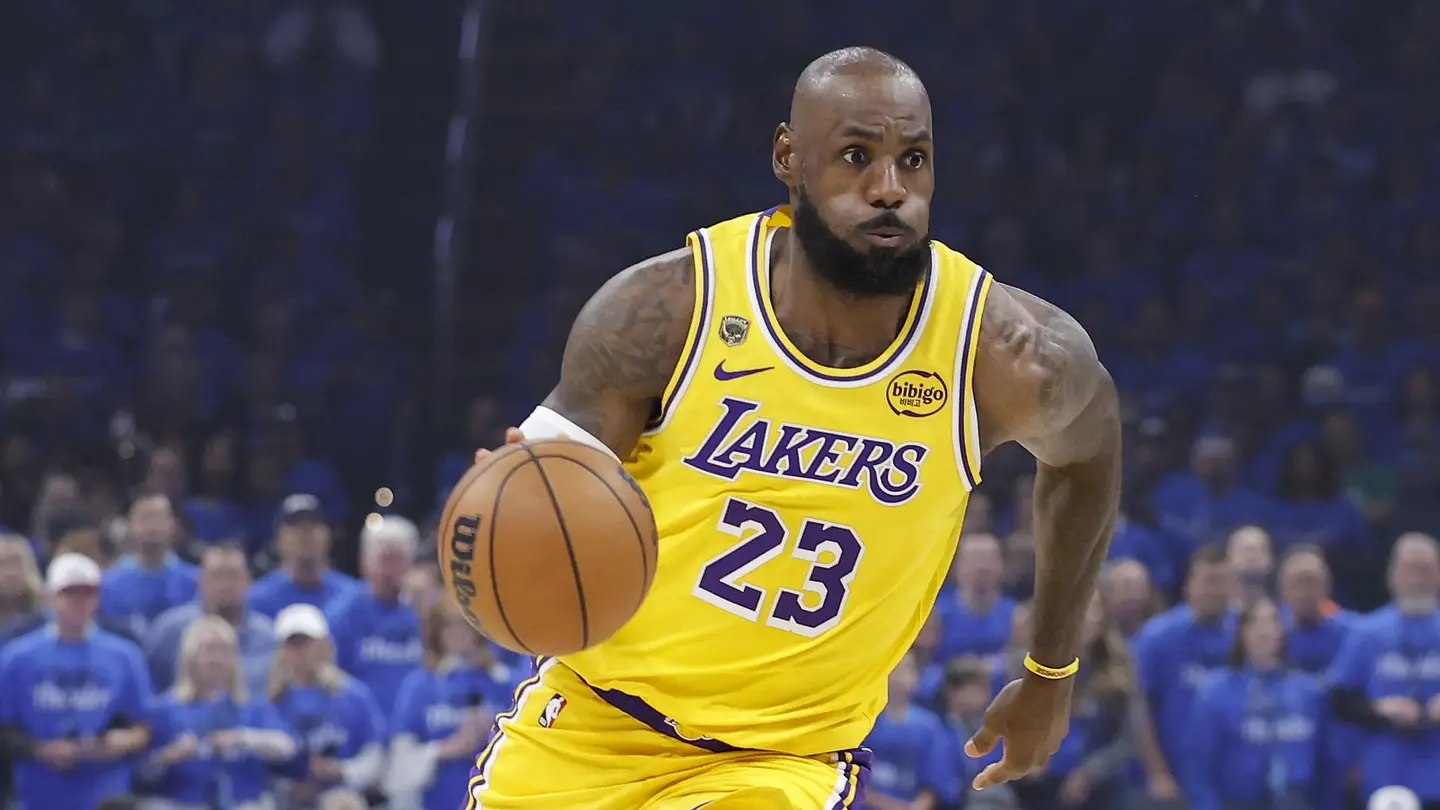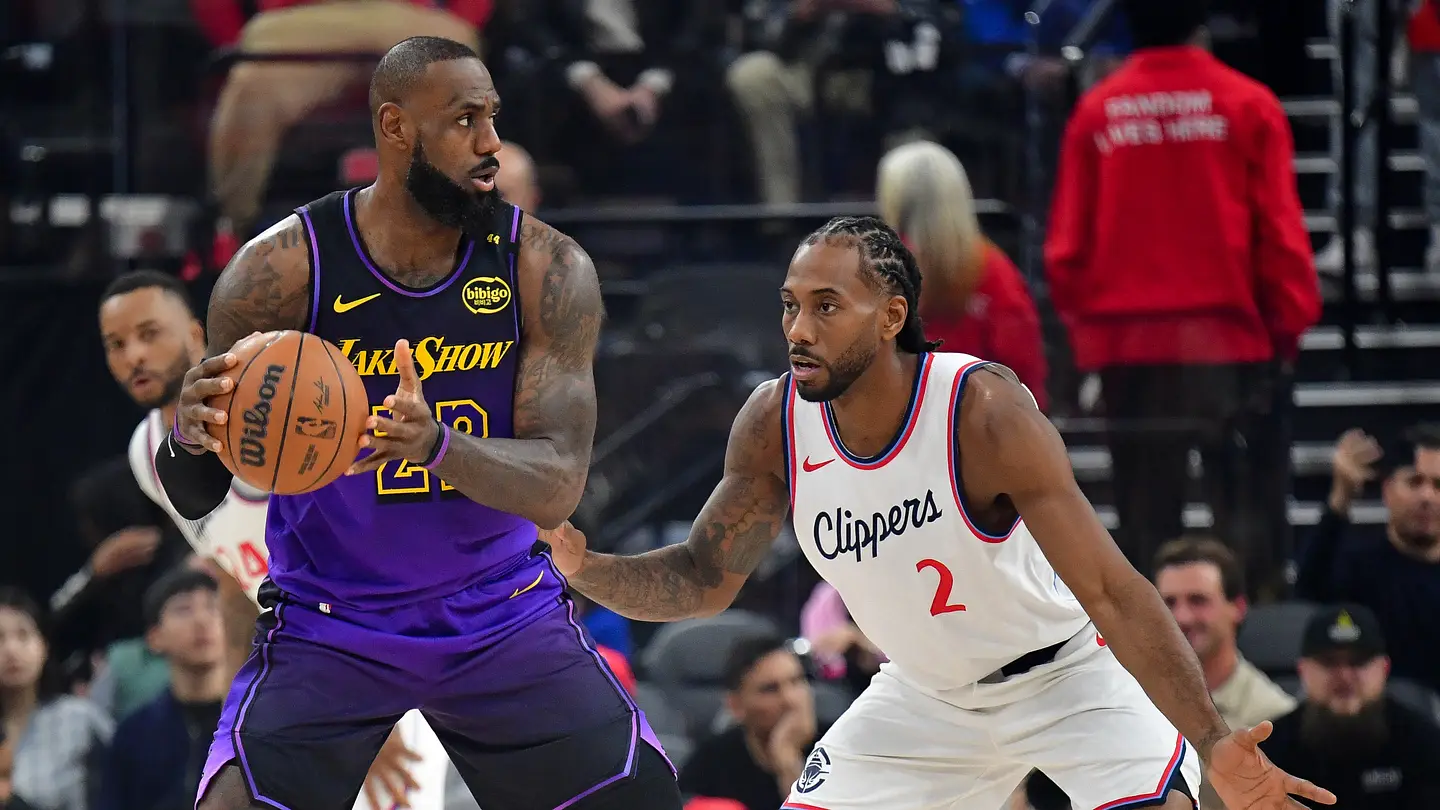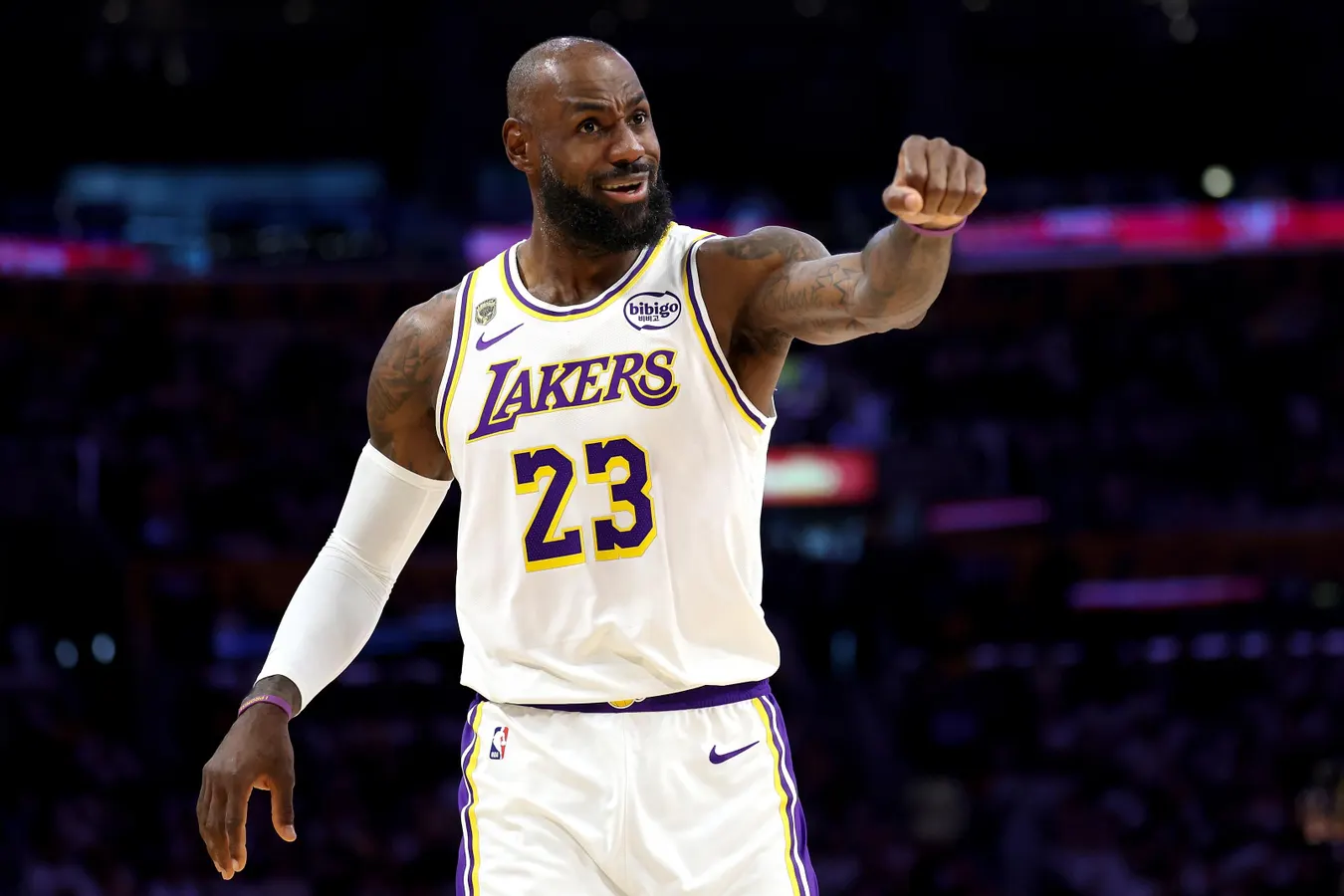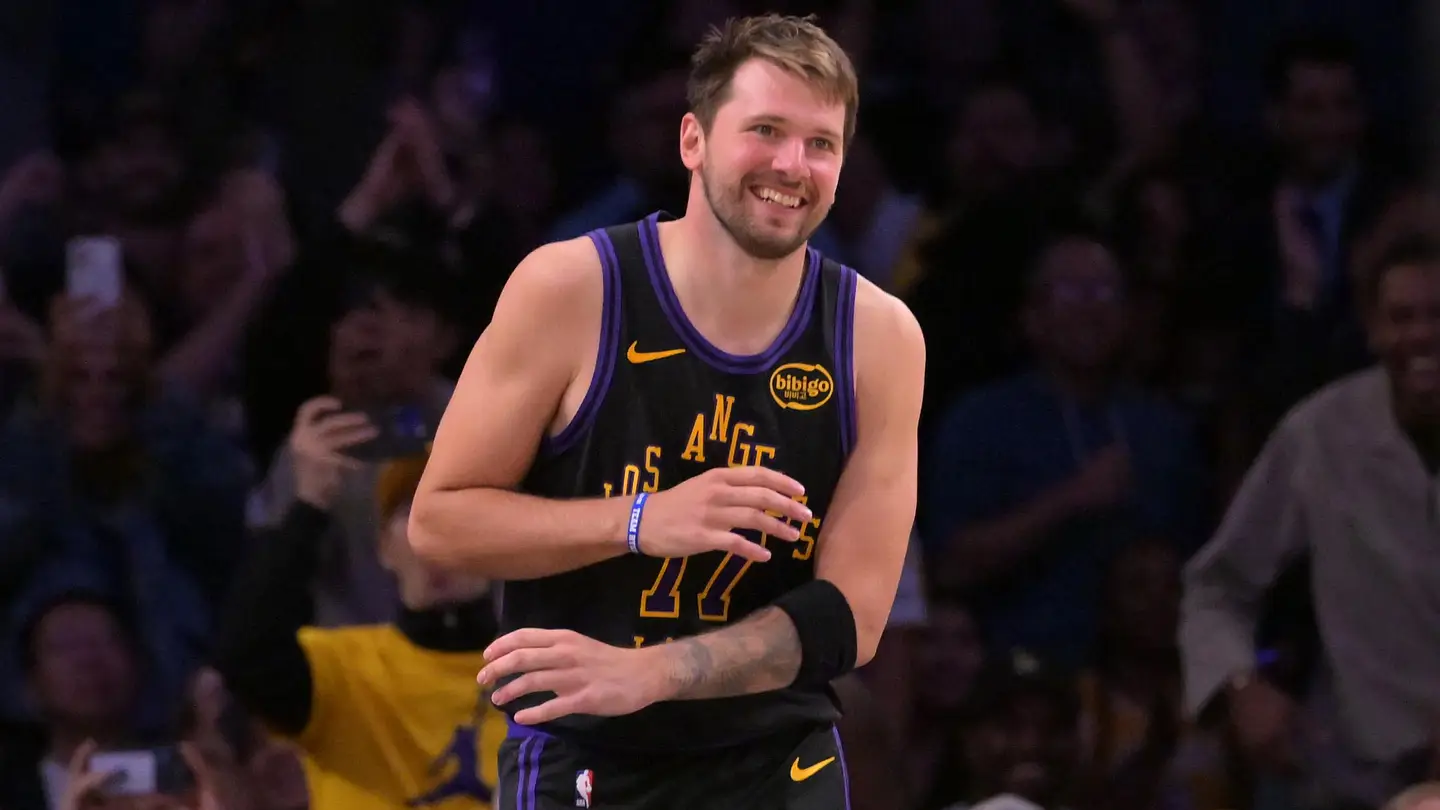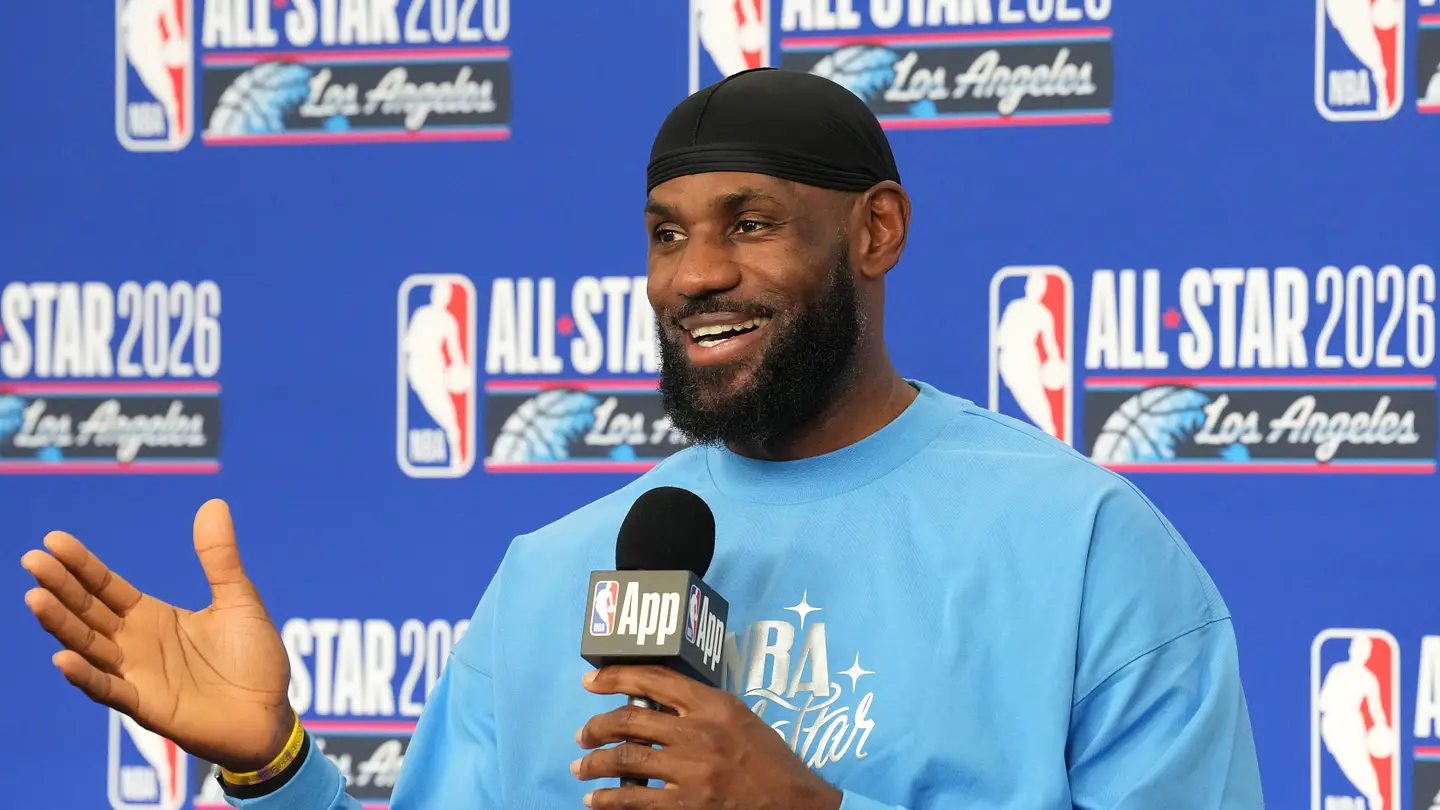
NBA free-agent market: Top 25 | shooting guards | small forwards | point guardsThe free agent power forward market looks pretty good, especially if you’re interested in a generational superstar in his early 40s. While the market drops off after LeBron James, this year’s crop still includes multiple starter candidates and several others who are ideal as high-minute bench players based on my BORD$ valuations. (More on the methodology here.)As always, I’ve included all free agents and potential free agents due to player options, team options and non-guaranteed contracts, except for absurd cases where there is no chance of a player being waived and — importantly — also no chance for other cap shenanigans by declining options and signing new contracts.(PO = player option; TO = team option; NG = non-guaranteed; TONG = team option, non-guaranteed; PG = partial guarantee; POPG = player option, partial guarantee; R = restricted; R-2w = restricted two-way)What we know about LeBron James' retirement decisionDan WoikeTier 1: Max guysNone.Tier 2: More than MLE, less than max1. LeBron James, L.A. Lakers: $31,960,618James is still an extremely valuable player, and my aging algorithm may underrate his potential contributions in 2026-27; we really have no data to work with as far as “high-usage forward entering his age-42 season” is concerned. At this point, he’s likely looking at a one-year deal (he can’t sign for more than three because of the over-38 rule), so the questions are about money (somewhat) and fit (quite a bit).Resolving the latter part could require a major haircut on the former, as the type of teams that could both use James and have a reasonable chance of contending for something important are also not the type to have extra cap space lying around. Even a return to the Lakers is complicated, as paying him would take L.A. out of some cap-room scenarios that won’t be available to the Lakers in future summers when Reaves is making roughly triple what he is now.2. Julian Champagnie, San Antonio (TONG): $25,726,203The Spurs will not be an expensive team in 2026-27 but will be extremely expensive within two years once Victor Wembanyama, Stephon Castle, Dylan Harper and Carter Bryant all become extension eligible.Thus, they have an obvious incentive to wipe out Champagnie’s cheapo team option for the coming season and sign him to a new contract for descending dollars, instead of waiting until he’s an unrestricted free agent in 2027 and then paying full freight.That likely entails committing to something like five years and $100 million or so, i.e. paying him just south of nine figures in new money in addition to the team option and spreading that money over five seasons. To further smooth the cap hit, San Antonio could start the contract at its maximal value and decline his salary by 8 percent each season.Tier 3: MLE guys3. Tobias Harris, Detroit: $19,715,982Reminder: BORD$ doesn’t include the playoffs. Harris had a solid regular season but really proved his worth in Detroit’s playoff run, operating as the Pistons’ second option while Jalen Duren fizzled. In doing so, he exhibited that, whatever the Pistons plan to do with their future cap, just letting Harris walk isn’t a viable option unless they’re getting a star-caliber upgrade at the same position.All of this is a long-winded way of saying that, even pushing age 34, Harris seems a good bet to get something relatively close to the two-year, $50 million deal he originally inked in Detroit in 2024 — maybe closer to 40 than 50 this time, but still in excess of the projected $15 million midlevel exception. Detroit’s cap sheet can comfortably handle him on a number in that range.4. John Collins, LA Clippers: $18,890,305Collins won’t turn 29 until late September and has put together three straight solid, starting-caliber seasons after leaving Atlanta. The key is his development as a 3-point shooter, hitting 39.9 percent in 2024-25 and 40.6 percent in 2025-26. That spacing component has allowed him to play power forward and made him less dependent on rim-running as an undersized center.The Clippers have Bird rights on Collins but could choose cap-room scenarios instead of bringing the band back after a disappointing 2025-26. If he leaves LA, he’d be a likely target for teams with their full non-taxpayer MLE, especially those needing a starting power forward or a top frontcourt sub. At his age, teams would probably want to keep at it three years and maybe angle for two.5. Draymond Green, Golden State, (PO): $13,679,047Green is still one of the best defenders at his position, but offensively, his value has cratered to the point that his overall value proposition is around the non-taxpayer MLE.That makes for an interesting situation for the Warriors, because Green has a player option for $27.7 million for 2026-27. While it would help the Warriors manage the tax aprons if he were to decline the option and re-sign a longer deal for lower money, there’s also a pretty big gap here between his 2026-27 salary and his BORD$ value. Would he take a deal for three years and $45 million to $50 million? If not, the Warriors might do just as well if he opts in … particularly if Golden State can stomach the idea of Green as a potential expiring contract in a midseason deal to reshape the roster for the future.6. Precious Achiuwa, Sacramento: $12,934,026I know a lot of you didn’t watch the Kings last year, and I can’t really blame you, but Achiuwa had a breakout season and was one of the most improved players in the league. He still won’t give you much as a floor spacer, but his rebounding, finishing and activity make him a valuable player.The Kings have no Bird rights on him, so they would have to use their non-taxpayer midlevel exception to bring him back, something that’s highly desirable given that the oft-injured De’Andre Hunter is the only other power forward on the roster. However, Sacramento’s tax position also makes this an interesting dilemma. The Kings might have to waive DeMar DeRozan just to get under the first apron and have access to their full MLE. Unless Achiuwa’s market ends up far south of this BORD$ estimate, that could open the door for other bidders.7. Dean Wade, Cleveland: $12,835,954Cleveland’s financial position is going to make it very challenging to keep Wade, unless the Cavs just say damn the torpedoes and blow past all the aprons.Entering the offseason, the Cavs are over the projected second apron before they pay Wade a dollar. While adjusting James Harden’s salary downward and trading or stretching Dennis Schröder could relieve some of that pressure, it is still hard to do the math on an eight-figure deal for Wade. That could leave the 3-and-D forward vulnerable to poaching from a rival with a strong offer.One note here: Wade’s frequent injuries could put a lid on his market at a bit lower than BORD$ suggests. He hasn’t played 60 games in any of the past five seasons.Tier 4: Less than MLE, more than minimum8. Harrison Barnes, San Antonio: $10,978,562Barnes seems destined to be squeezed out in San Antonio by the continued development of Julian Champagnie and Carter Bryant, seeing his role wither to nothing in the NBA Finals.However, there may be a way to keep the 34-year-old around for the short term, give him a bag and take advantage of the Spurs’ Bird rights on him. San Antonio has a mountain of dollars available below the projected tax line, but that picture changes dramatically when Victor Wembanyama’s likely supermax kicks in for 2027-28. To take advantage of that, the Spurs could sign Barnes to a one-year balloon deal that operates as a trade exception at the deadline, or even use him in a sign-and-trade this summer with only the first year guaranteed (sign-and-trade contracts must be for at least three seasons) to bring him back a win-now guy.
NBA free agency 2026: Power forward market is solid, but LeBron James is lone star
There are multiple starter candidates and several others who are ideal as high-minute bench players in this crop of players.
3,859 words~18 min read