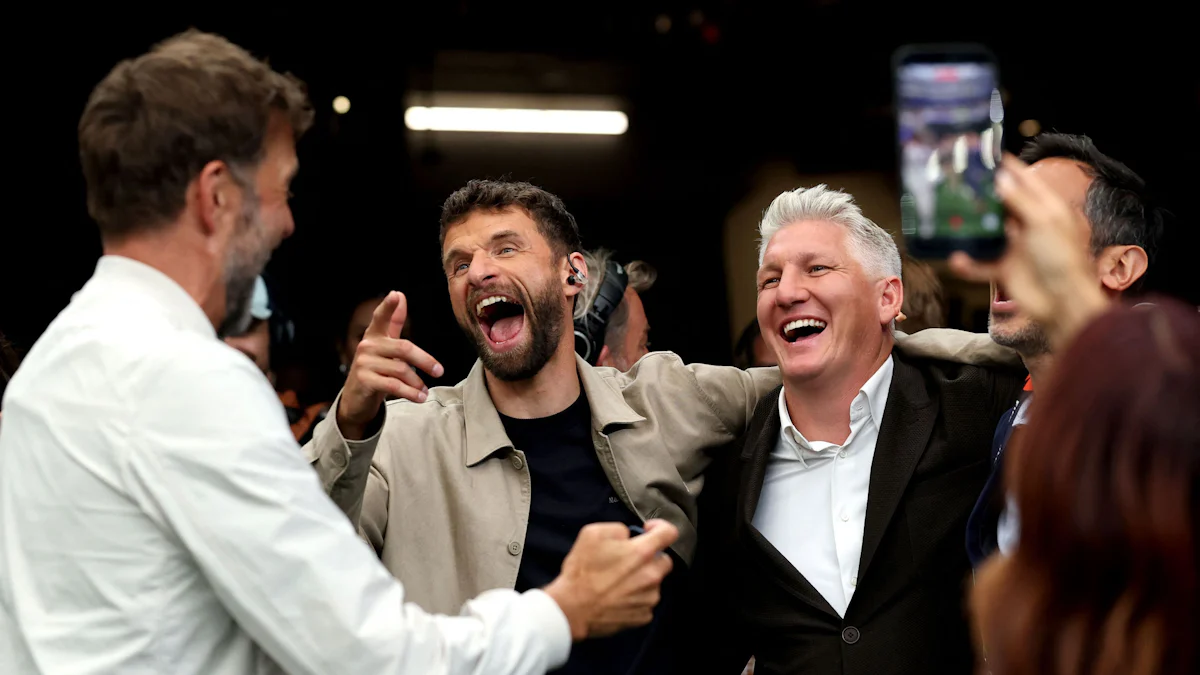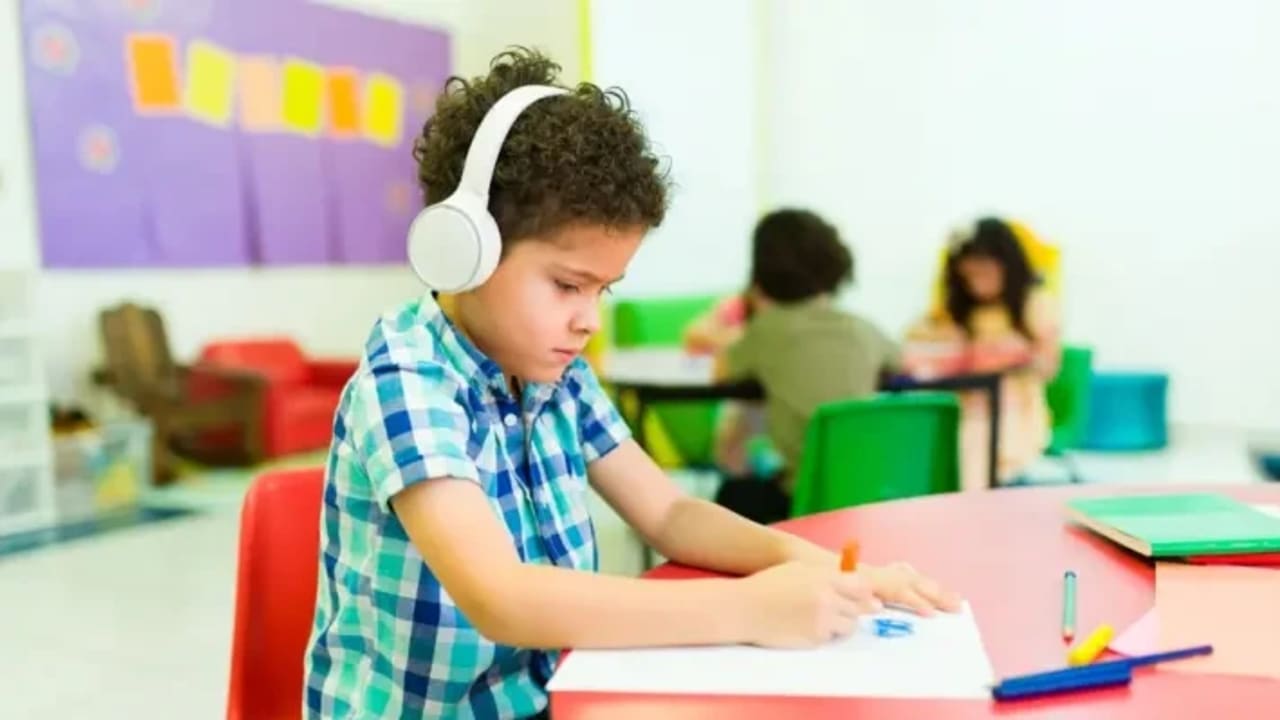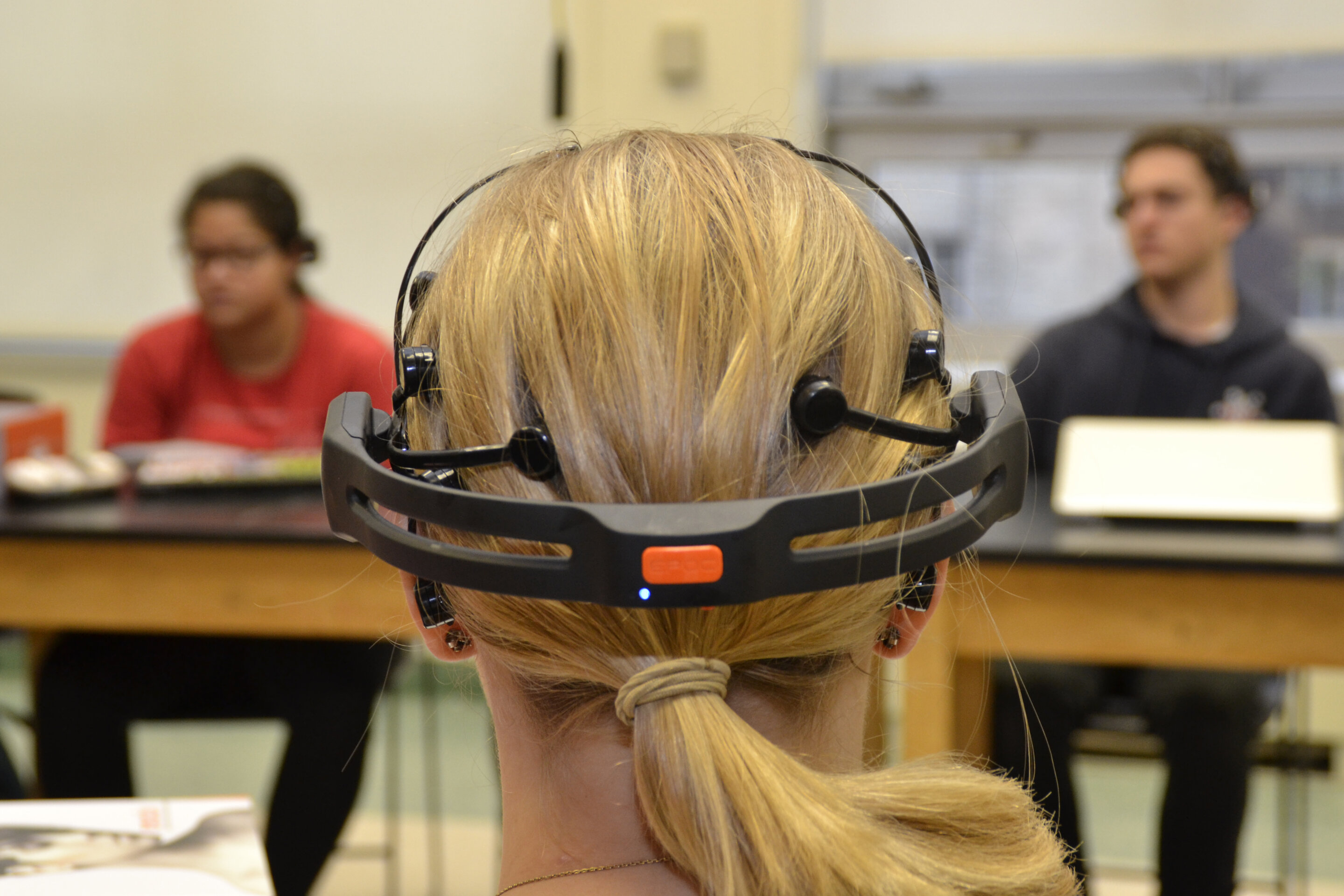
The synchronization of brainwaves among students during class reflects how much they like the class and each other, research has found. The researchers followed a group of high school students and their teacher for an entire semester and recorded their brain activity during their regular biology classes using portable electroencephalogram (EEG) technology. Credit: Diane Quinn 2015 Trevor Day School
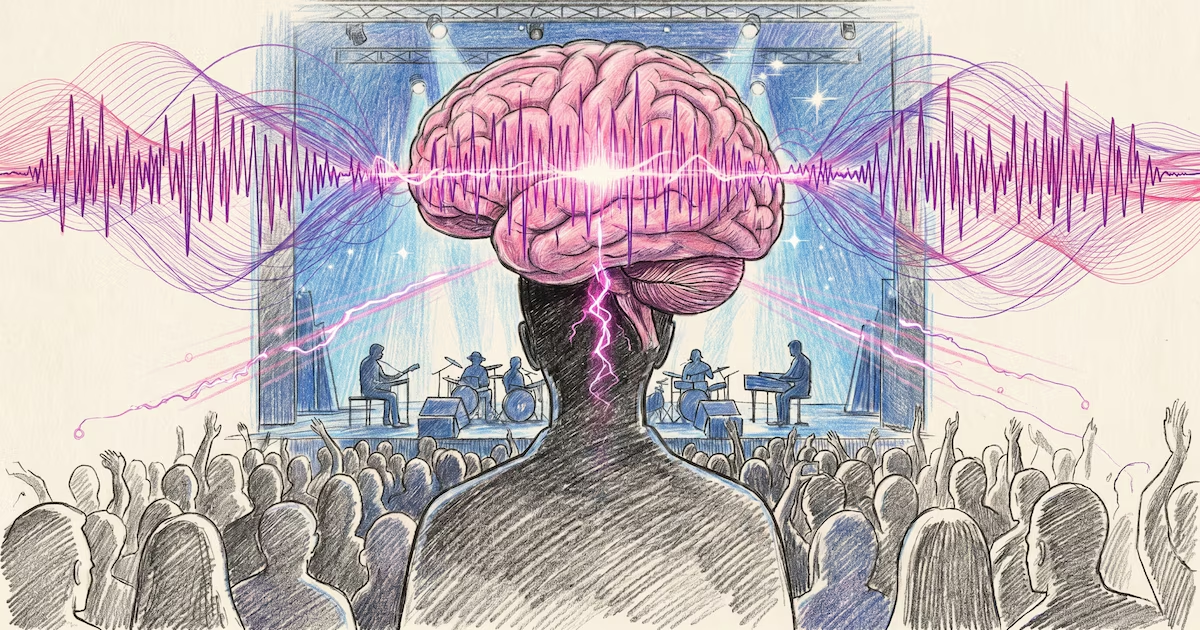
We often feel that we are "on the same wavelength" with one another, but can science identify and engineer this phenomenon? Studies by a team of neuroscience researchers suggest that it's possible—a connectivity that is both beneficial and can be enhanced for therapeutic and other purposes.
The scientists collaborated with schools, museums and performance artists—including Bad Bunny and Residente, Marina Abramovic, and Mike Gordon and Bob Weir—to design and conduct projects measuring and visualizing how the brain waves of thousands of museum visitors, festivalgoers and high school students became "in sync" with each other during live, face-to-face communication.
Collectively, their research, which has encompassed friends, family members and strangers, has shown that brain waves match up in certain exchanges, and that when they do, this synchrony can be used to guide and improve social interactions—in other words, as a way to engineer social connectedness.