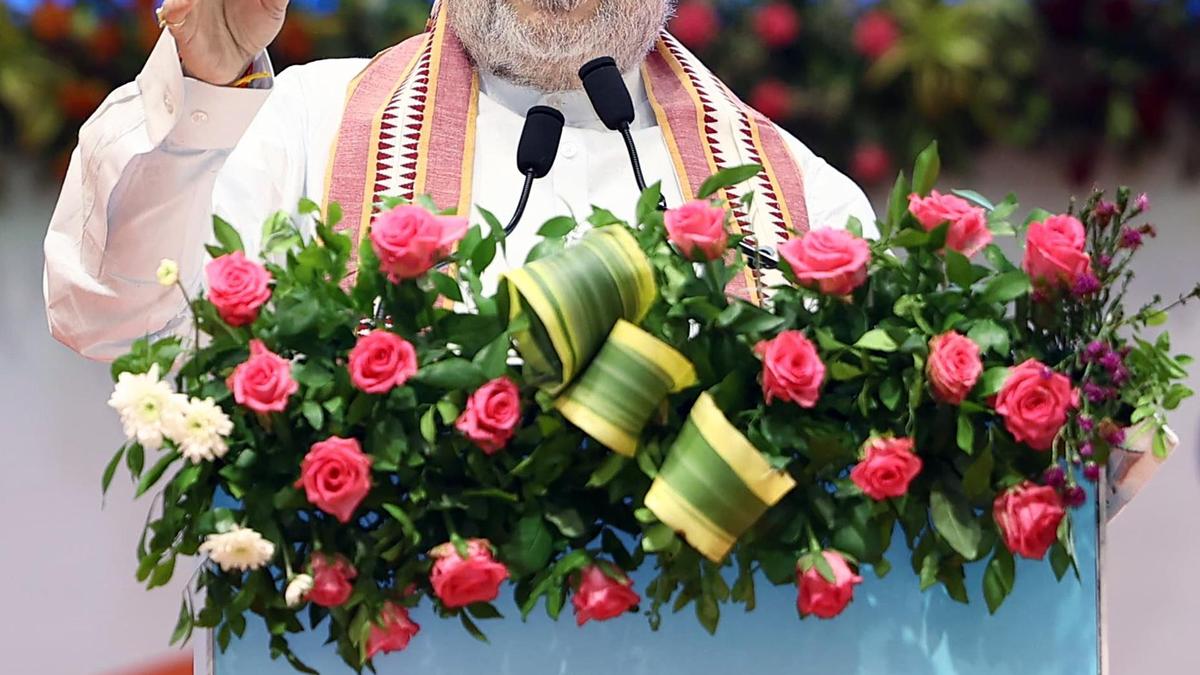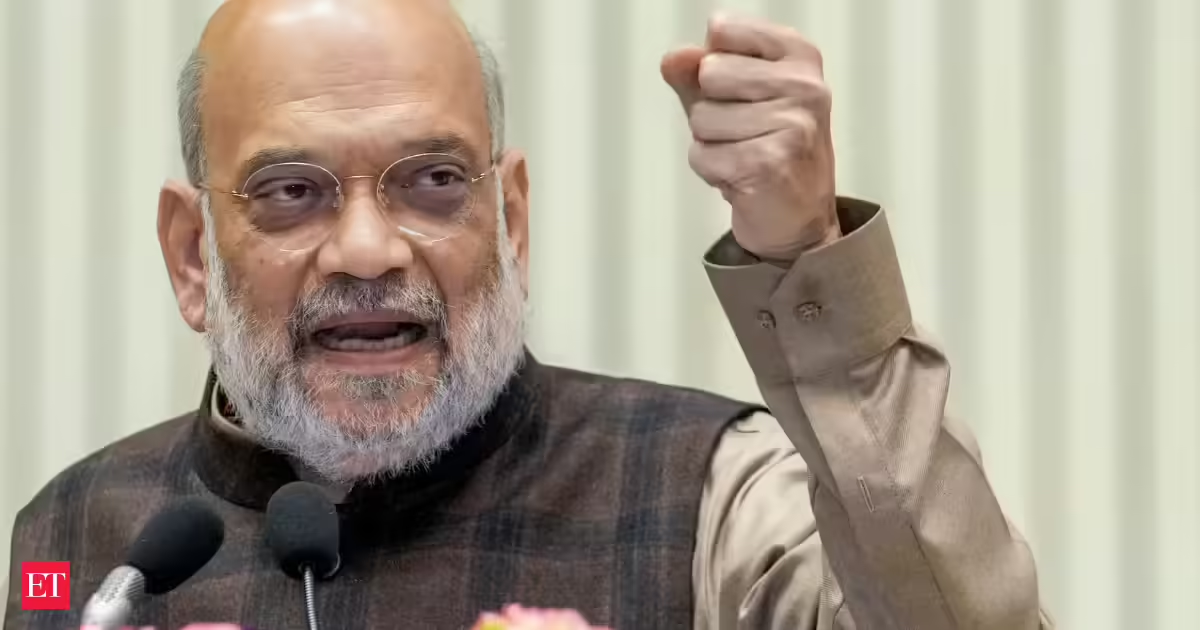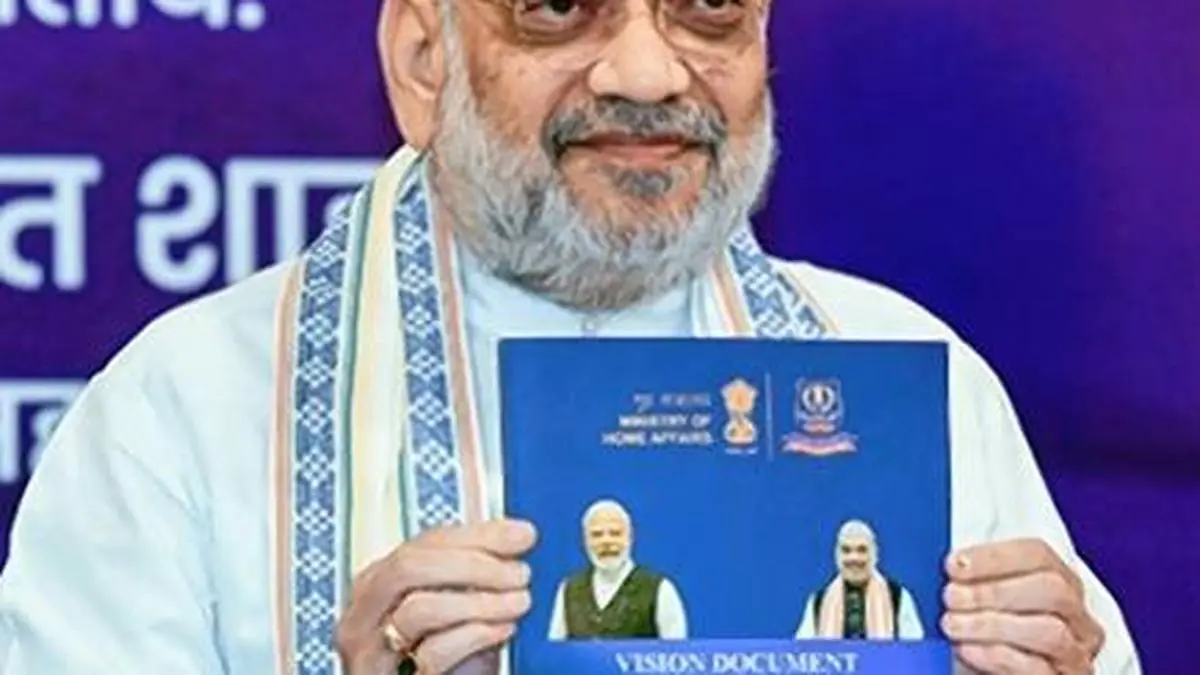
Union Home Minister Amit Shah
| Photo Credit:
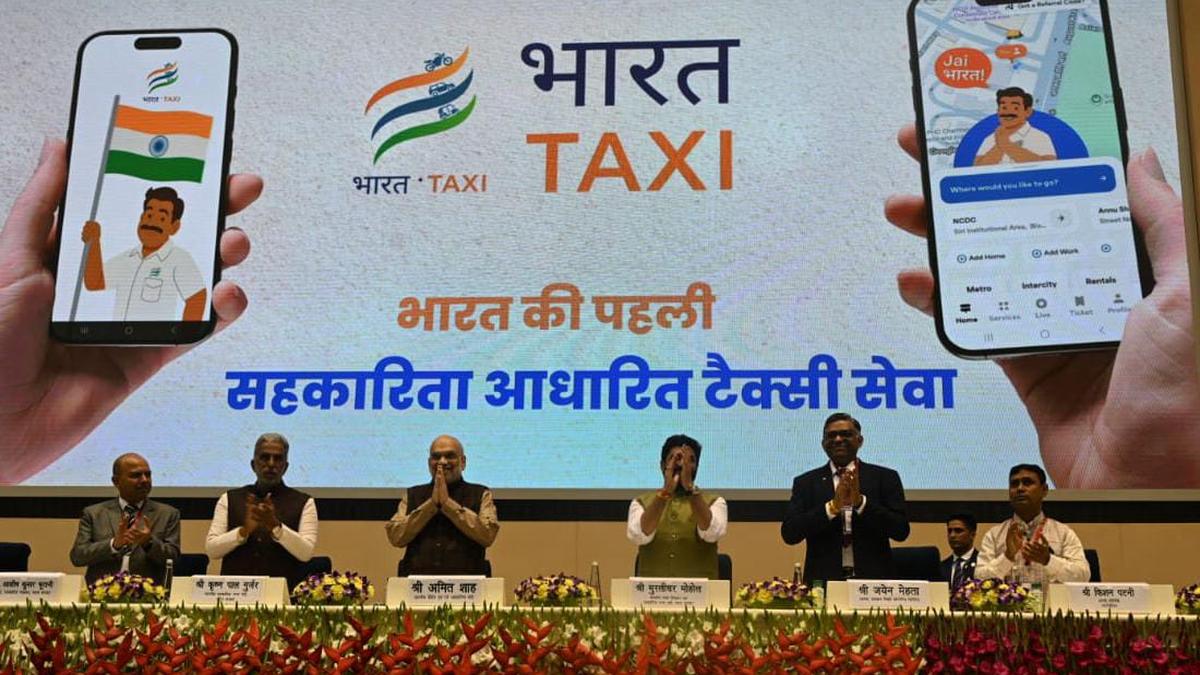
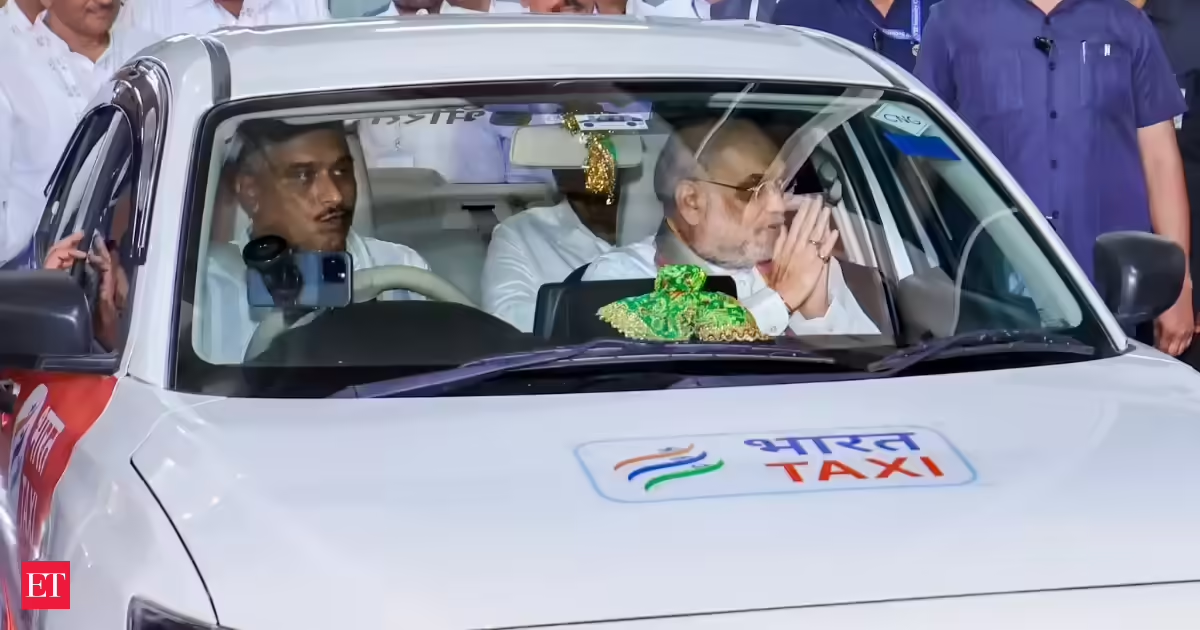
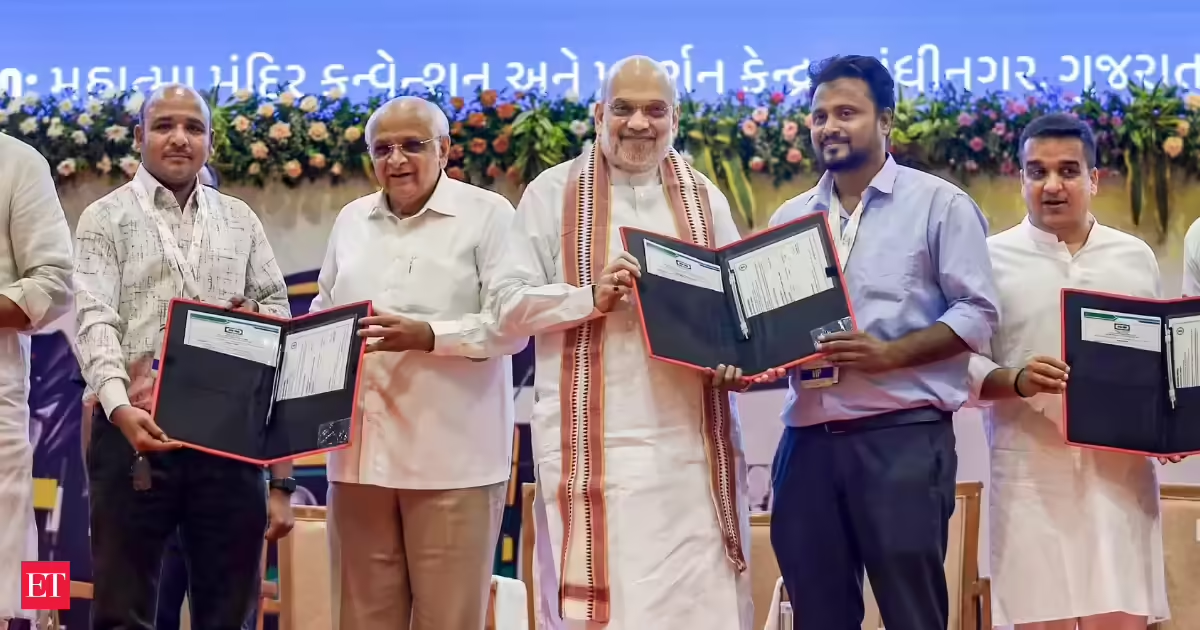
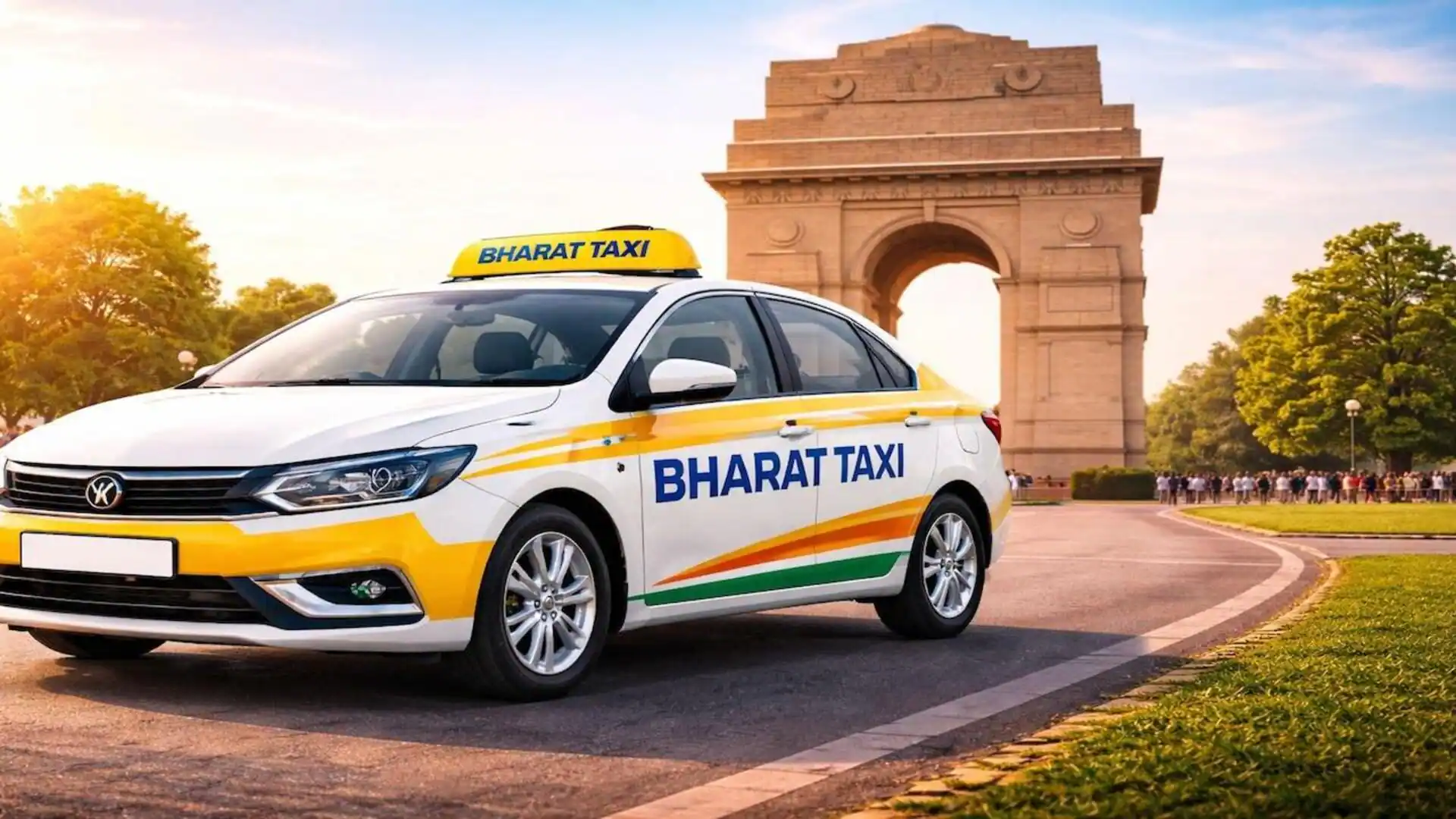
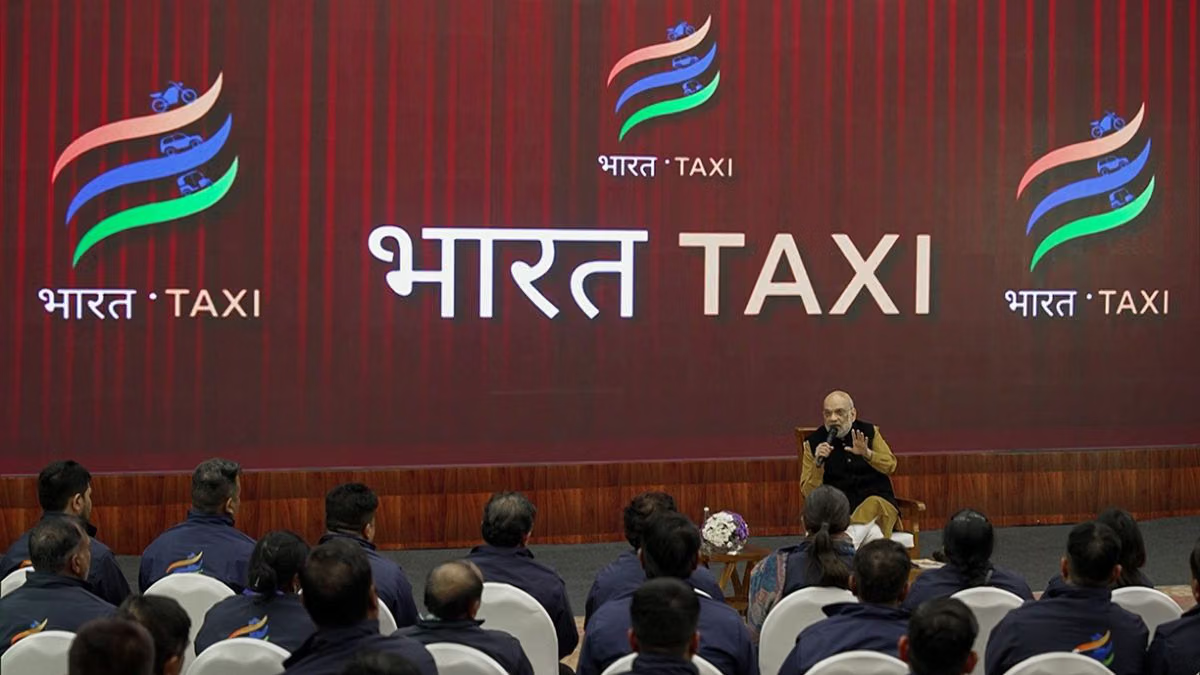
Accusing private ride-hailing companies of exploiting both drivers and passengers, Union minister for home and cooperatives on Friday said the cooperative-owned Bharat Taxi platform was created to end practices such as high commission deductions, delayed payments and arbitrary cancellation of drivers’ registrations.Without naming ride-hailing companies such as Uber, Ola and others, Shah said the rapid growth of app-based taxi services had come at the cost of drivers, who were forced to part with a significant share of their earnings while having little say in how platforms operated. “As the taxi services expanded in the country, various companies came in to offer services, made mobile applications and offered rental taxi services. For their profit, they exploited the sarathis (drivers) and the customers. Different kinds of complaints used to come. At some places, commissions used to cut from driver’s profit, for many days profits and rents never used to reach the drivers, registrations used to be cancelled on customer complaints without hearing the driver’s side of the story. Thus we thought of introducing a service that will be based on the cooperative model which will also end all the exploitation,” Shah said while formally launching the Bharat Taxi services in 14 cities of Gujarat including Ahmedabad.Shah also suggested that the launch of Bharat Taxi has already begun influencing pricing in the ride-hailing market. Without naming rivals, he claimed that incumbent platforms had started lowering fares in cities where Bharat Taxi has entered operations, even if it meant incurring losses. “They want to enter into inappropriate competition, book temporary losses and ensure Bharat Taxi leaves the field. These tactics can work anywhere in the world, but not in India,” Shah said, arguing that unlike venture-backed platforms, a cooperative owned by its drivers would not be forced to retreat because of pricing pressure.Drawing a parallel with India’s dairy and fertiliser cooperatives, Shah said private companies had once tried to outcompete organisations such as Amul, IFFCO, KRIBHCO and NDDB, but the cooperative model had endured because ownership remained with its members rather than outside investors. He urged drivers not to be lured by temporary incentives or discounted fares offered by competing platforms.According to Shah, the cooperative model seeks to fundamentally alter that equation by making drivers stakeholders rather than merely service providers. Every driver joining Bharat Taxi becomes a shareholder of the cooperative by buying shares worth ₹100, giving rise to its tagline, ‘Saarthi Hi Maalik’ (the driver is the owner). Besides retaining their earnings through a zero-commission model, drivers are promised access to insurance, loans, pensions and government social security schemes.The platform, registered under the Multi-State Cooperative Societies Act, has been promoted by Sahkar Taxi Cooperative Limited with support from eight of India’s largest cooperative institutions, including GCMMF (Amul), IFFCO, KRIBHCO, NDDB, NAFED, NABARD, NCDC and NCEL. The idea, Shah said, was born out of repeated complaints from drivers about shrinking earnings, delayed payments and abrupt account suspensions by private aggregators.The comments from Shah came as Bharat Taxi unveiled an aggressive expansion roadmap. Jayen Mehta, chairman of Sahkar Taxi Cooperative Limited, said the platform has onboarded 7 lakh drivers and nearly 40 lakh customers since its launch in February 2026. More than 1.5 lakh drivers are from Gujarat alone. Over the next year, Bharat Taxi plans to expand to 30 state capitals and 125 cities, while Shah set an even more ambitious target of reaching over 500 cities within the next two-and-a-half to three years. He said the cooperative plans to launch operations in Nagpur, Chandigarh, Kolkata, Pune, Mumbai and Lucknow before July 31.The platform made its Gujarat debut on Friday across 14 cities, including Ahmedabad, Surat, Vadodara and Rajkot, offering bike taxis, auto-rickshaws and cabs. It also signed partnerships with Gujarat Metro Rail Corporation, Gujarat State Cooperative Bank, Adani Airport Holdings, Western Railway and the Airports Authority of India to strengthen connectivity and expand its footprint.Published on June 27, 2026