Audio By Vocalize
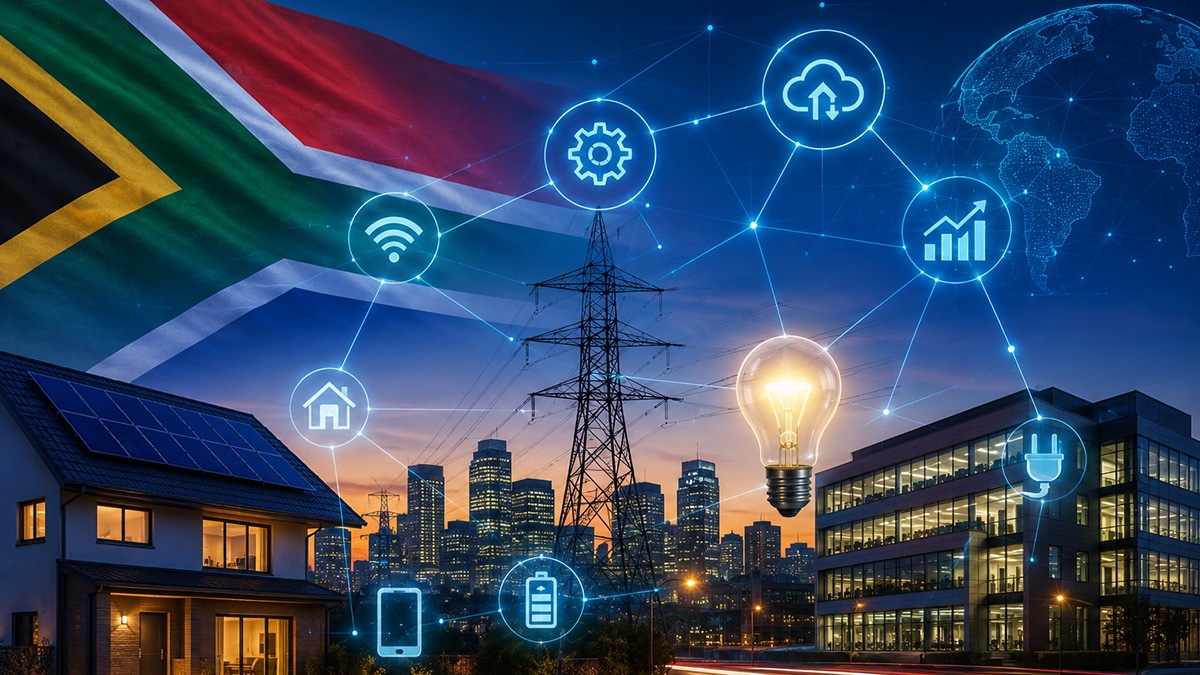
Digitisation will undoubtedly play a defining role in East Africa’s energy future. But its success depends on sequencing. [iStockphoto]
Across East Africa, momentum is building around grid digitisation. Smart meters, automation and AI-enabled energy management are increasingly positioned as a viable means to establish efficient, sustainable and resilient energy provision.
But there is a fundamental reality that cannot be overlooked: digitisation cannot compensate for gaps in basic infrastructure. Granted, while digital technologies are critical to the future of energy, their effectiveness depends on the strength of the very systems it is optimising.
It’s a catch-22 scenario in the truest sense; Sub-Saharan Africa averages 15–20 per cent losses, nearly double the global average. Smart grids can reduce this, but only if the physical grid is strong enough to carry the load. Indeed, where grids are fragile, under-capacitated, or unevenly distributed, digital tools unfortunately have little to optimise. And energy digitisation risks becoming a misplaced priority if pursued in isolation.