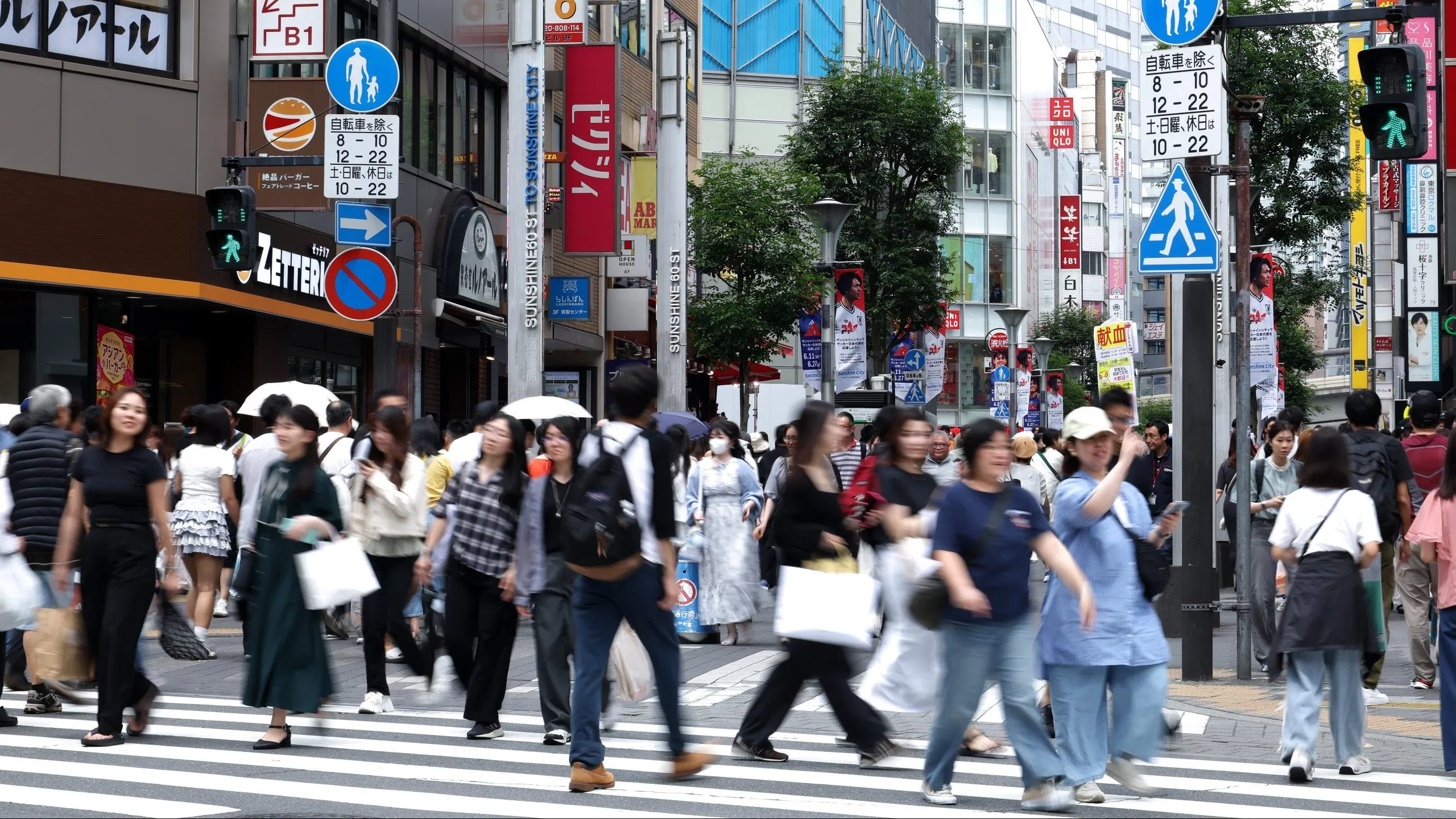
Japan’s wage revival is evident in the outcome of the 2026 round of shunto wage negotiations — the annual spring ‘wage offensive’ between enterprise unions and employers — with wage increases exceeding 5 per cent for the third consecutive year. Whether this will translate into sustained, broad-based real wage gains remains uncertain amid inflationary pressures.
The strength of headline wage growth masks a widening structural divide. Japan’s small- and medium-sized enterprises (SMEs), which account for approximately 70 per cent of national employment, are struggling to keep pace. Many lack the pricing power, scale efficiencies or productivity gains required to absorb higher labour costs. Labour shortages and rising personnel expenses appear to have become persistent sources of financial strain, contributing to an increase in business failures, with SME bankruptcies in 2025 reaching levels not seen in over a decade.
This divergence lies at the core of Japan’s post-deflation transition. While the shift towards 2–3 per cent nominal growth has improved the overall profit environment, its benefits have been unevenly distributed. Large corporations can generally accommodate higher wages through stronger earnings, pricing power and productivity advantages, with some gains potentially spilling over to suppliers and SMEs. Though monetary tightening may add financing pressures for some SMEs, labour shortages and rising material costs appear to remain the more immediate sources of stress. The impact of higher interest rates will likely differ across SMEs depending on their debt exposure and reliance on bank lending.