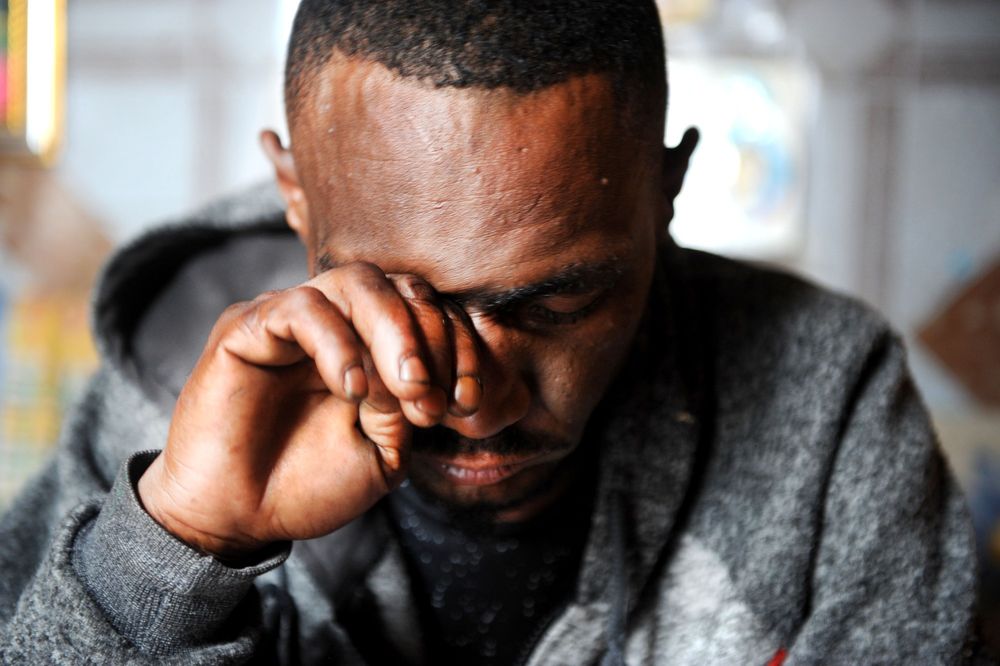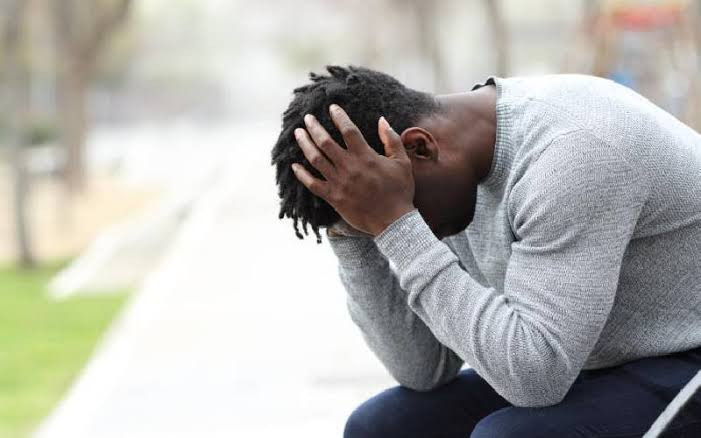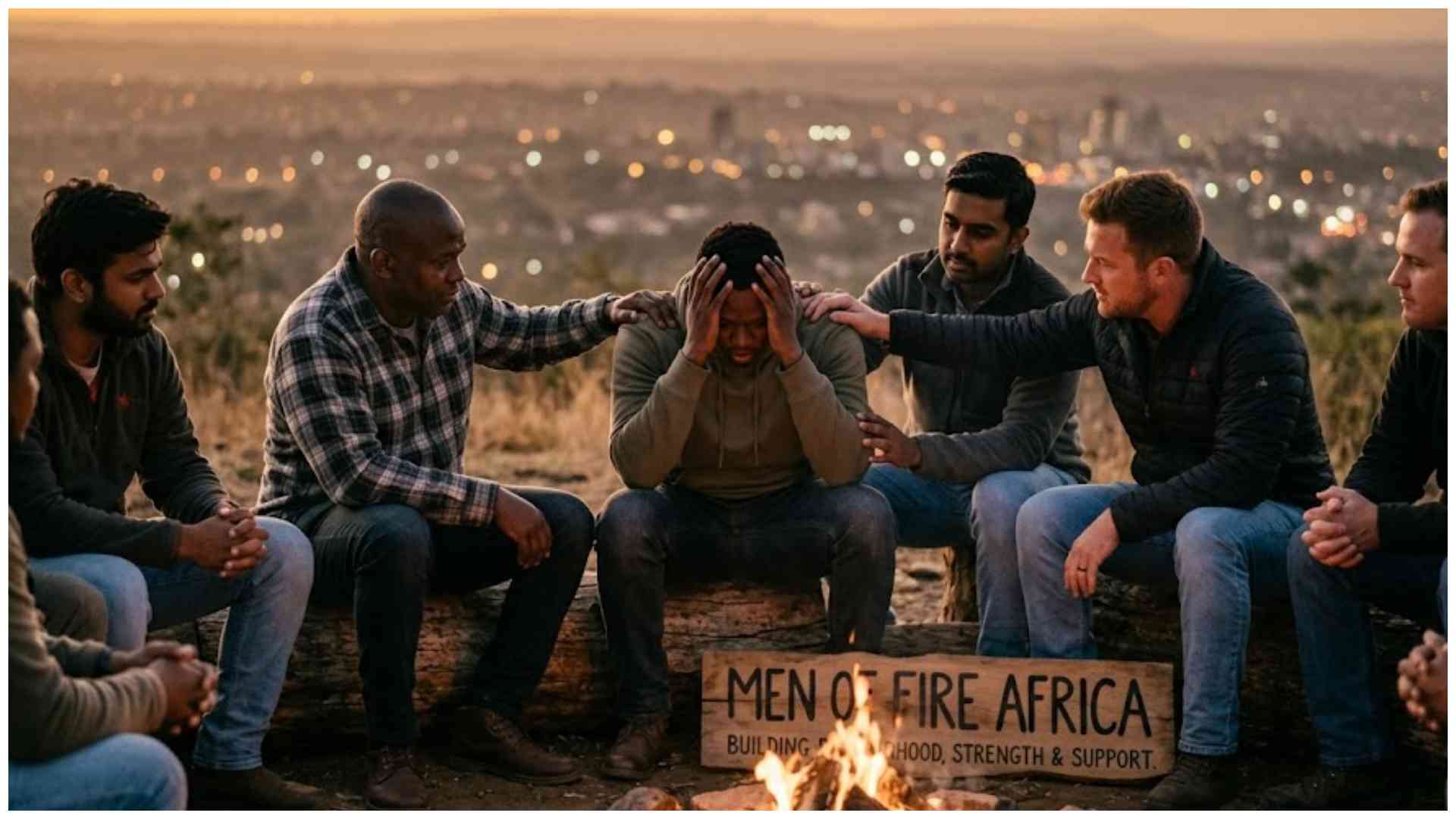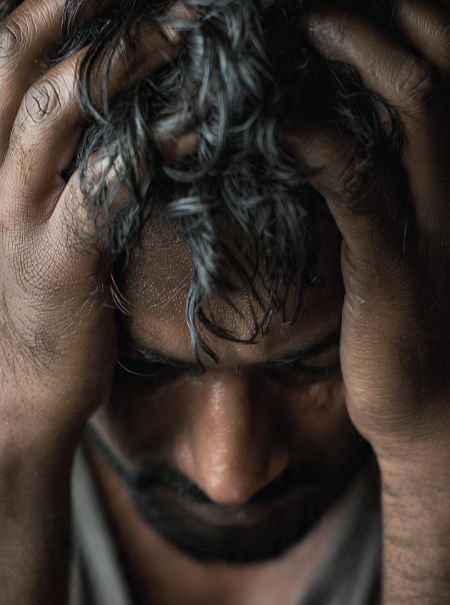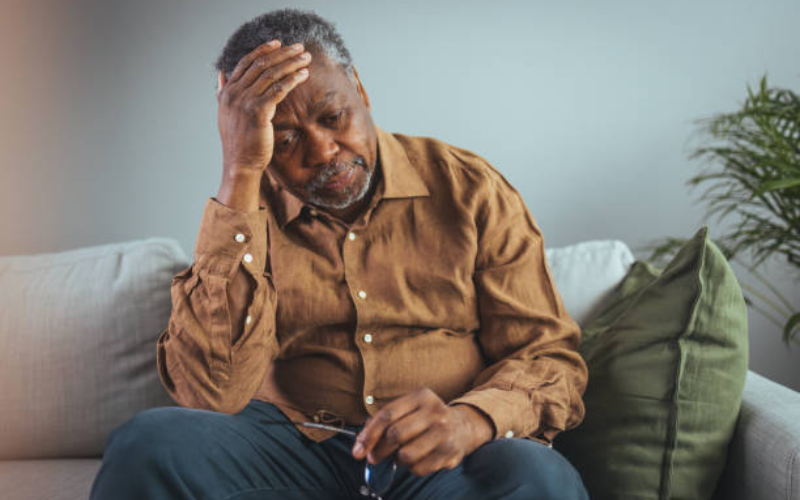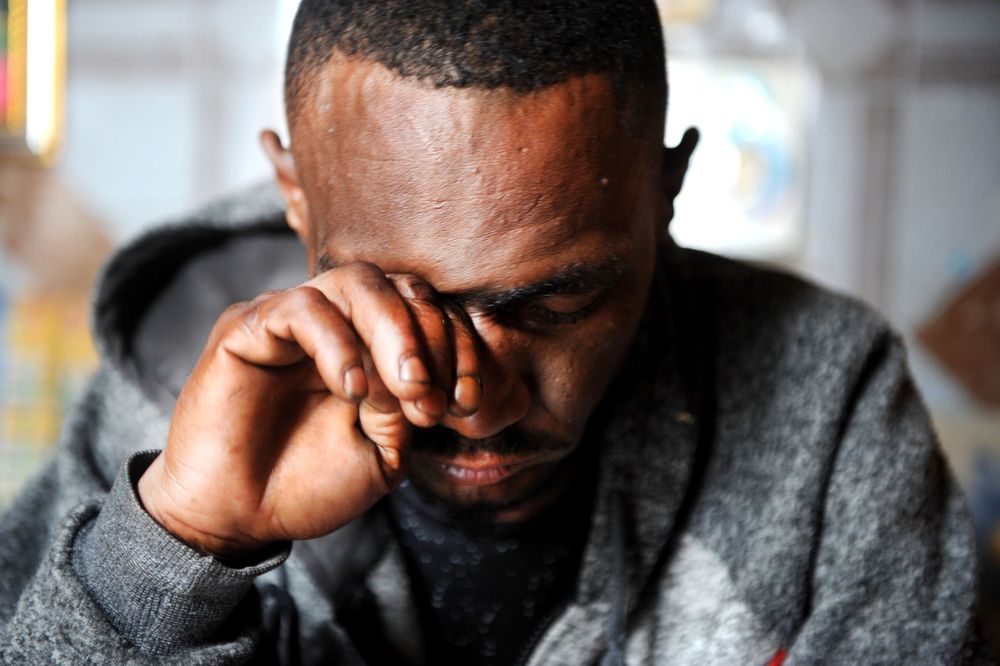
Men deserve permission to cry. But they also deserve a society that gives them fewer reasons to.
AS WE close off Men’s Mental Health Month, it is critical that we ask a far more uncomfortable question: Are we asking men to heal while refusing to confront the very conditions that keep breaking them?
Every year, Men's Mental Health Month arrives with familiar messages. ”Speak up. Reach out. Cry. It's okay not to be okay.” These are important reminders. They save lives. But they are also incomplete. Because in South Africa, too many men are fighting battles that begin long before they ever find the words.
Poverty, unemployment, violence, addiction, the relentless pressure to provide, and the shame of not being able to. Mental health does not exist outside these realities, it is shaped by them.
We often reduce men’s mental health to a conversation about vulnerability. It is that. But it is also about dignity. It is about whether a man can find work. Whether he can feed his family. Whether he can provide a future for his children. Whether he can access help before reaching his breaking point. Whether society teaches him that asking for help makes him weak long before he ever learns that it might save his life.