Which is really a story about Visegrad and the threat of economic decline
Few nations have taken better to democracy and capitalism than Poland, the political scientist Frank Fukuyama once observed. Step onto a national LOT airline flight to Warsaw and you’ll soon see why.
Critics say Irish airline Ryanair has figured out the capitalist endgame. But it’s positively egalitarian compared to LOT, which reserves half the plane’s toilets for the six people in first class. One of their deputy ministers and myself once found out about this particular facet of Polish capitalism the hard way as we queued for the peasant toilet for what felt like an hour.
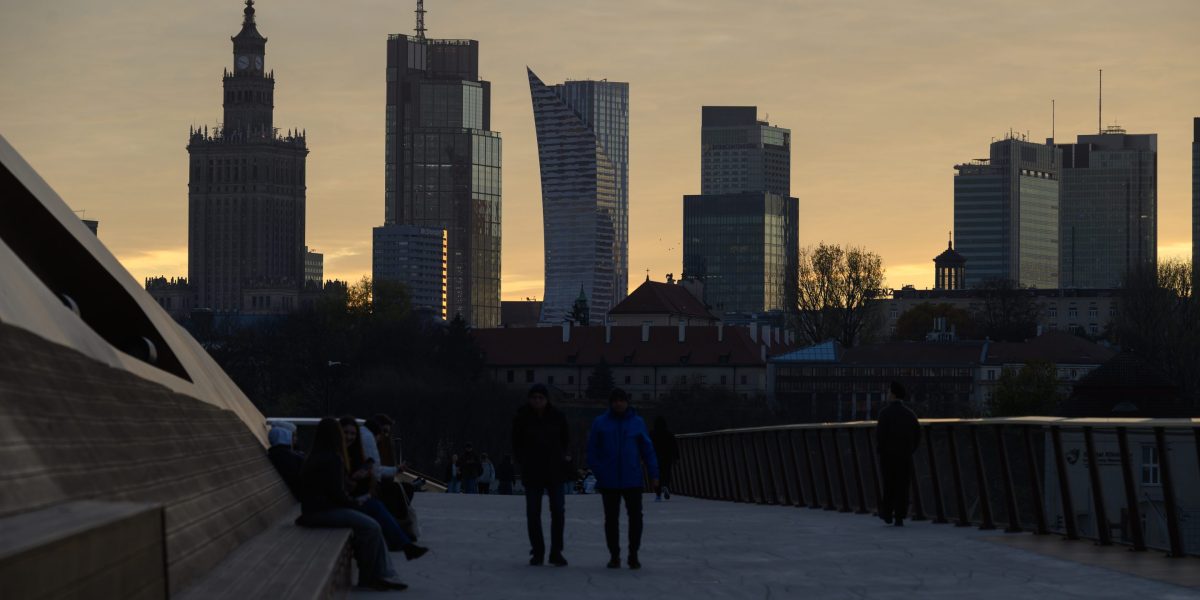
Upon landing in Warsaw, a city seemingly permanently under construction, the remarkable rise of Poland is plain to see – reminiscent of the rise of Korea (which shares a love for pickled food, weapons and capitalism). And as Korea’s rapid rise changed the power dynamics of Southeast Asia, Poland’s is doing the same for Europe.
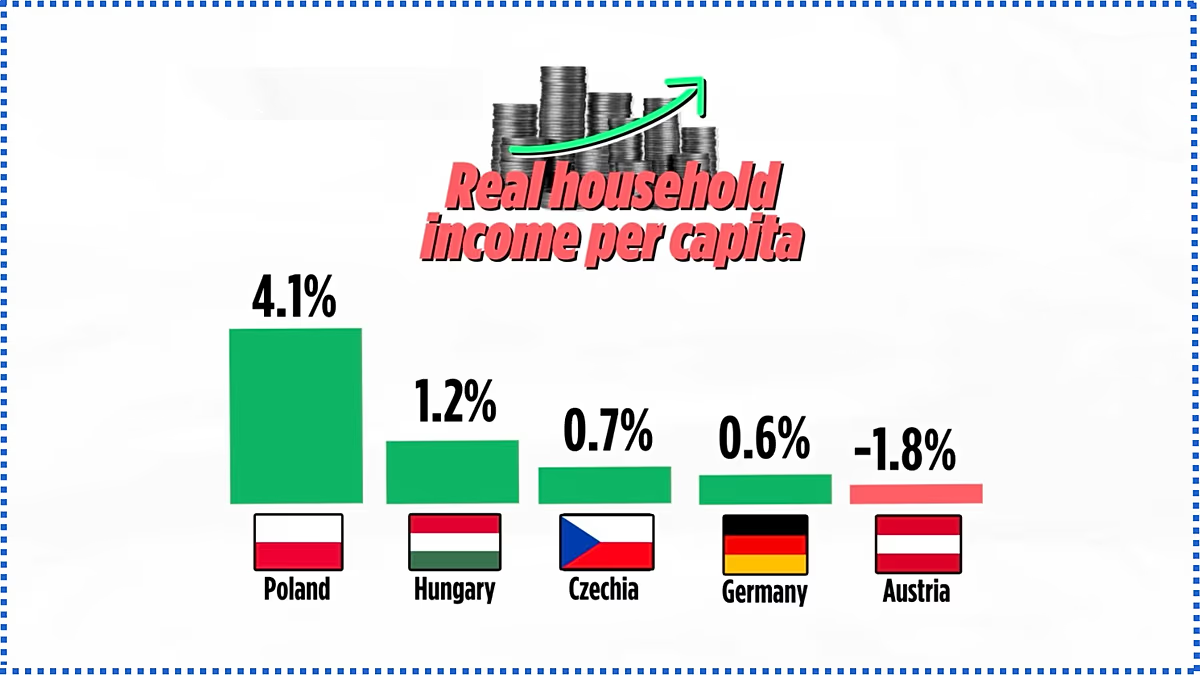
Three decades after ending its centuries of partition and subjugation, Poland grew its economy by 3.5% in 2025, continuing a trend of strong growth. Warsaw’s number of skyscrapers seems to outpace even that. Is Śródmieście, the city’s business district, on track to become Europe’s Gangnam? Incidentally, Poland and Korea share a long-standing friendship.