https://arab.news/4x3rw
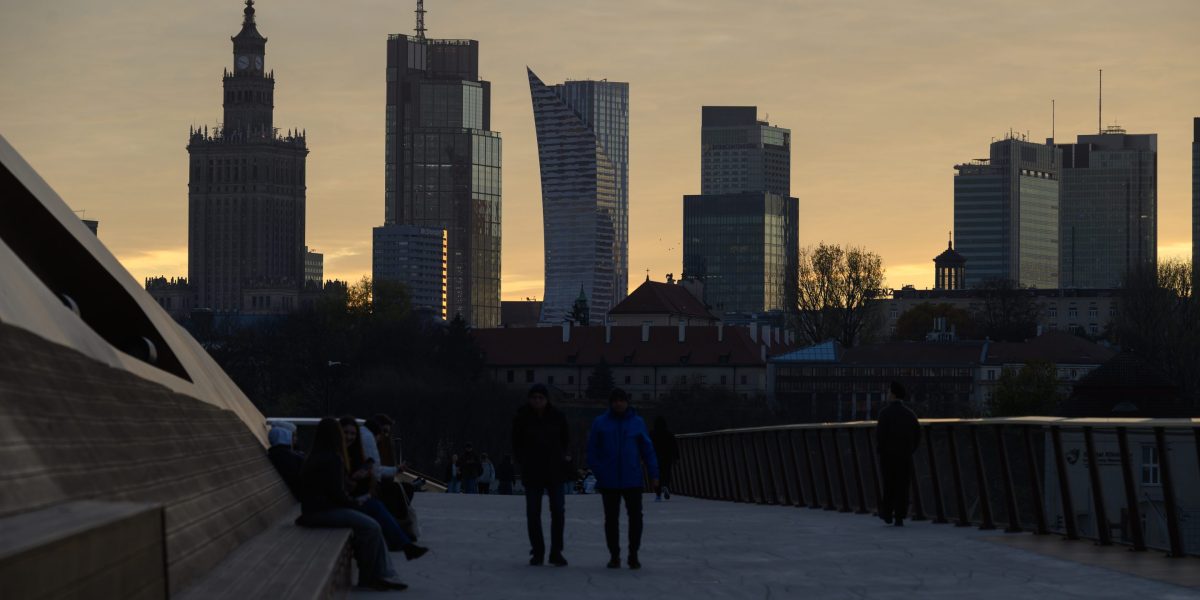
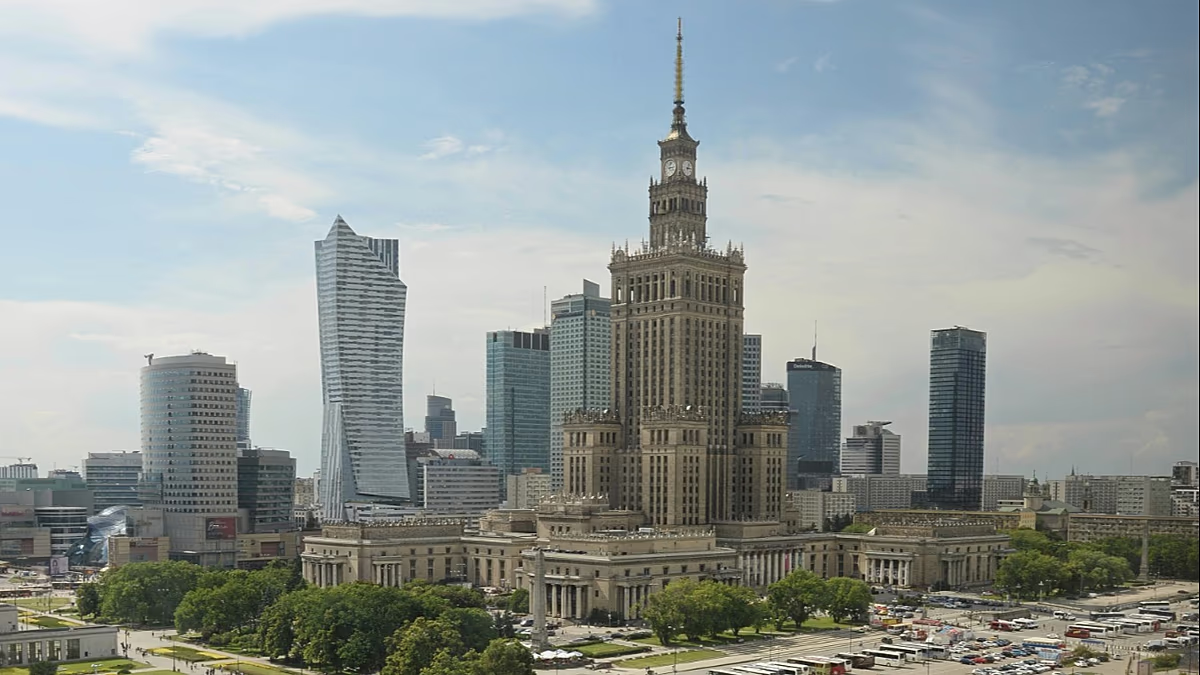
Poland is rightly hailed as a European success story. Since 2004, when it joined the EU, the country has more than doubled its gross domestic product per capita and has become the sixth-largest economy in the bloc. As it continues to witness economic growth above the EU average, a low unemployment rate and low debt levels, Warsaw is giving greater attention to what is happening on its eastern border in Ukraine. Indeed, as a front-line country, it is in a situation that demands caution and the building of strong resilience.
Poland has historically been of strategic importance in military confrontations between Eastern and Western Europe. For his 1812 invasion of Russia, Napoleon used the Duchy of Warsaw — covering most of today’s Poland — as a tactical staging ground for his “Grande Armee.” Adolf Hitler’s 1941 invasion of the Soviet Union, known as Operation Barbarossa, also went through Poland. At the time, Poland was already occupied and divided between Nazi Germany and the Soviet Union, making it the key launchpad for the attack. German forces advanced eastward from Polish territory into Soviet lands via modern-day Belarus, Ukraine and the Baltic states.
And so, beyond Warsaw’s economic growth, one can also understand why Poland is today at the core of a historic military corridor between Europe and Russia. In short, it is the gateway between Western Europe and not only Russia, but Central Asia too. History has repeated this fact many times. This is why today it is interesting to witness how Poland has become a key actor in Europe’s defense.