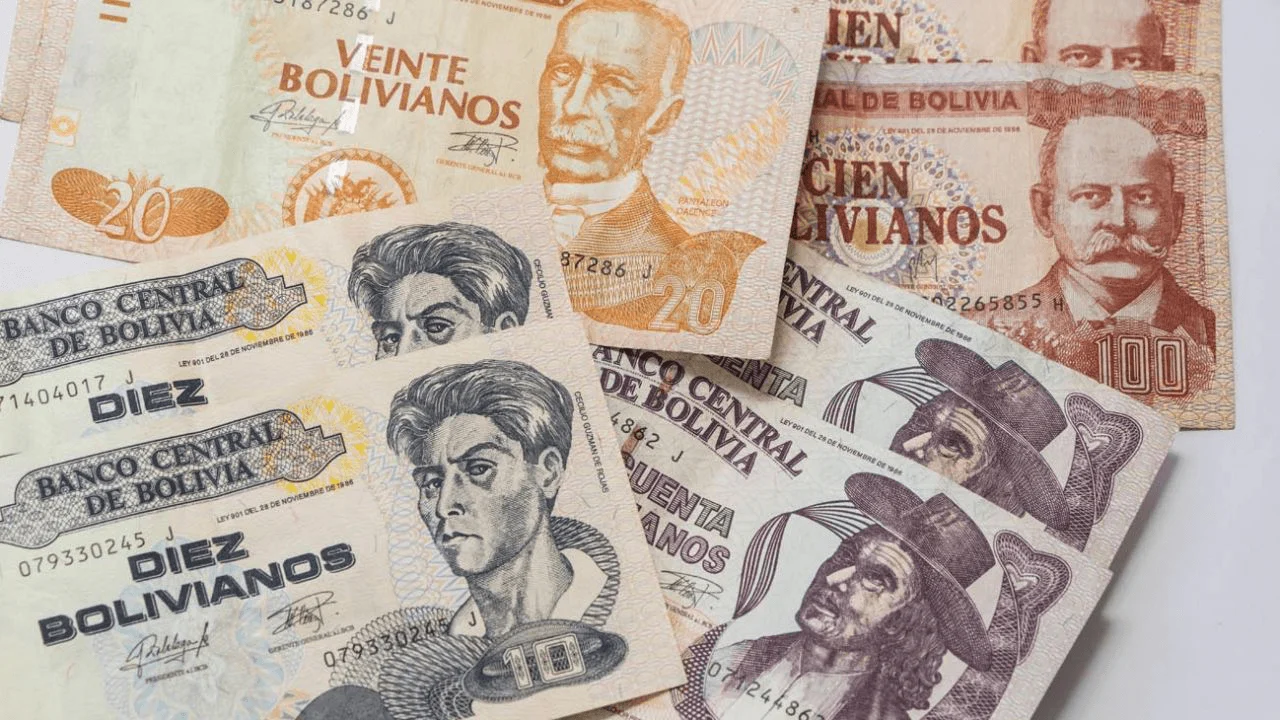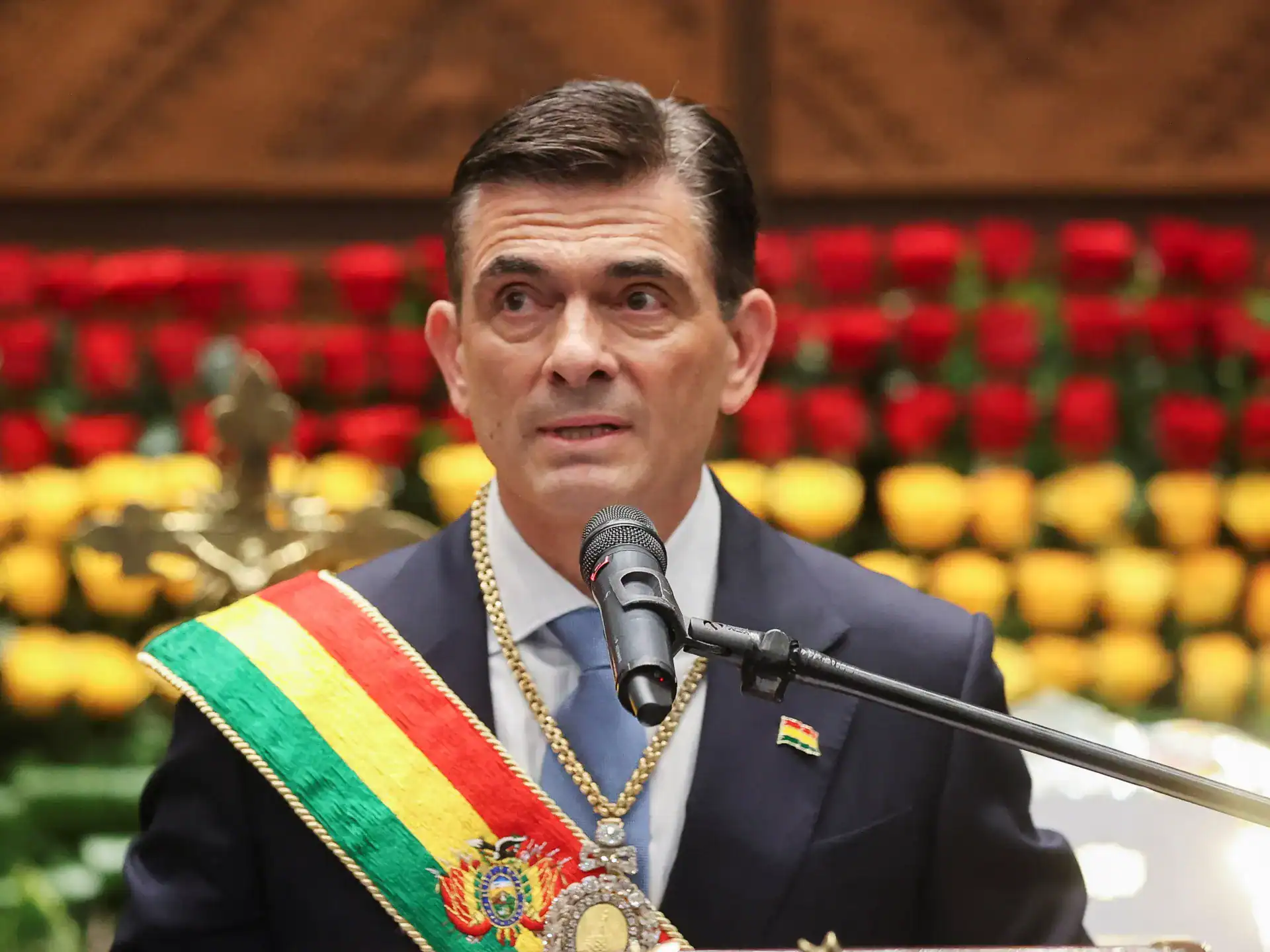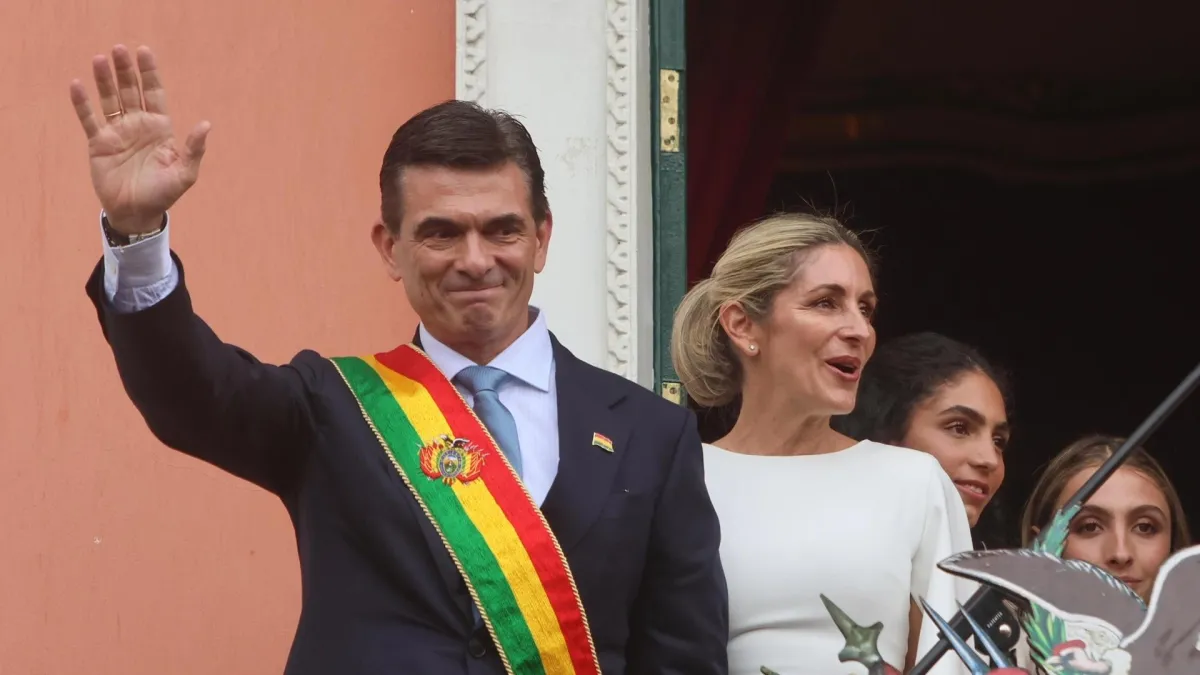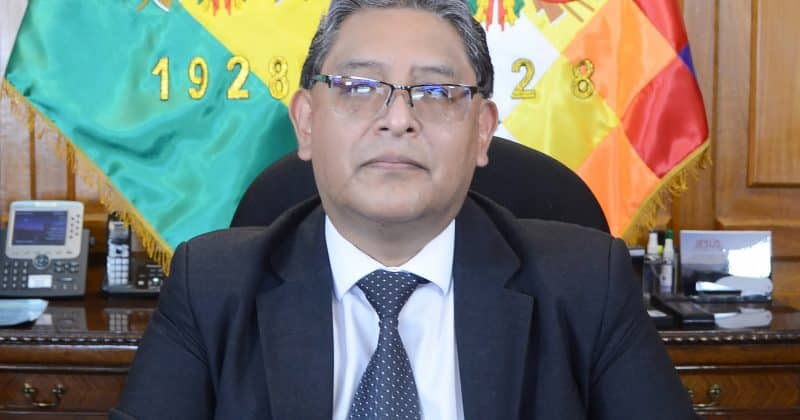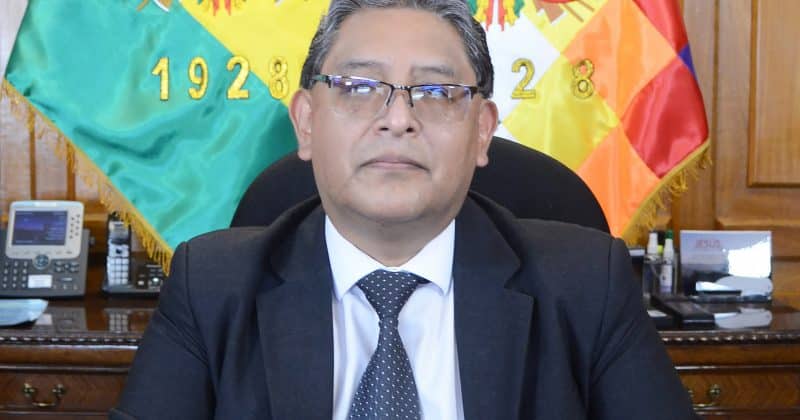
Bolivia just ripped off a monetary band-aid that had been stuck in place since 2011. On May 5, Economy Minister José Gabriel Espinoza announced the country would abandon its fixed exchange rate of roughly 6.96 bolivianos per US dollar and transition to a flexible, market-driven floating regime.
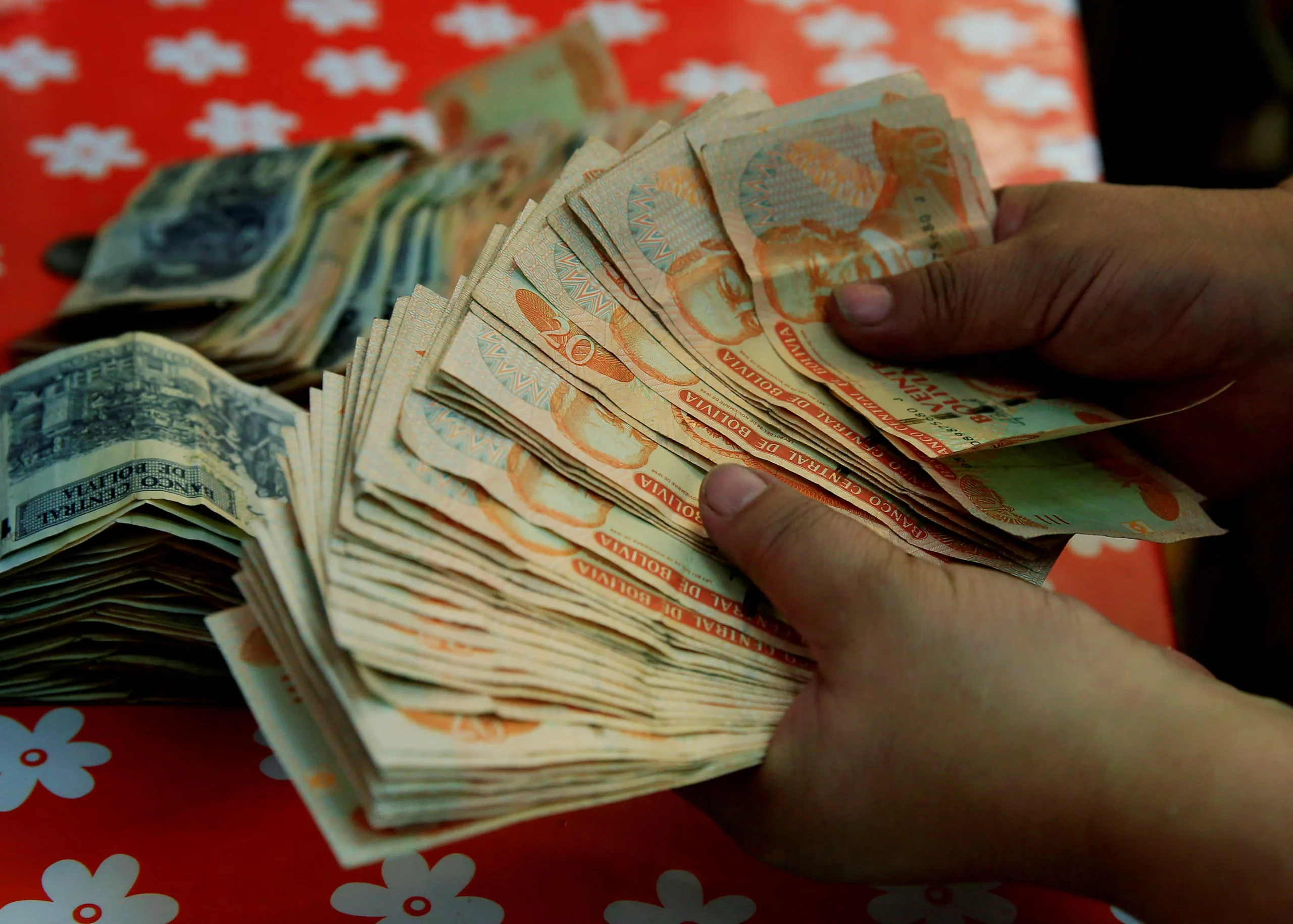
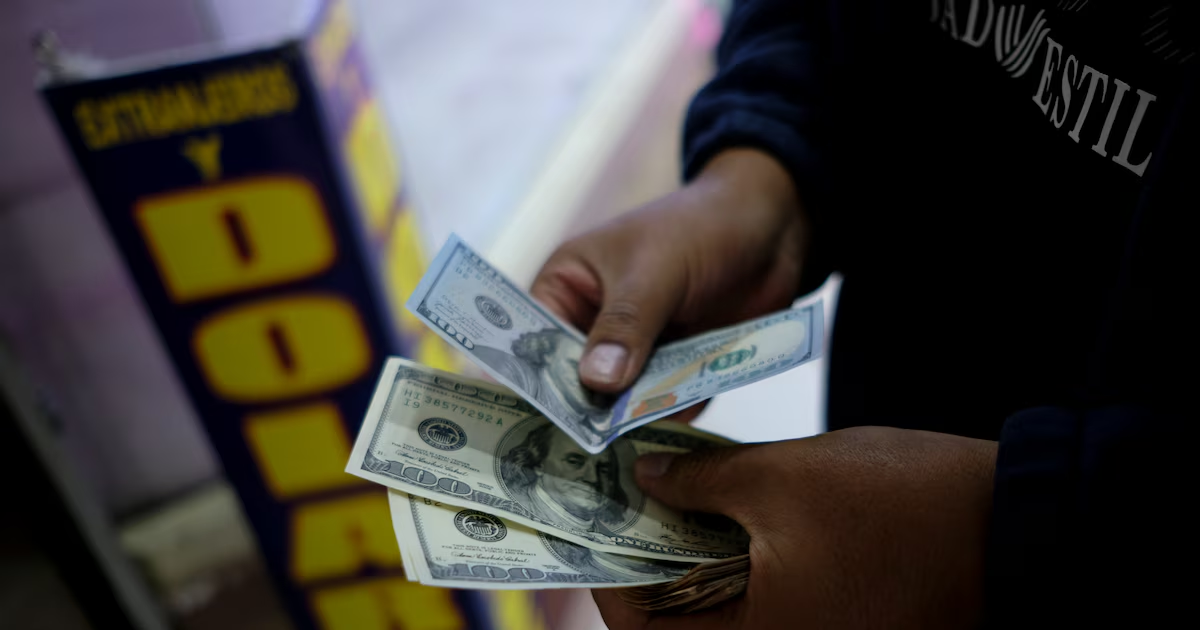
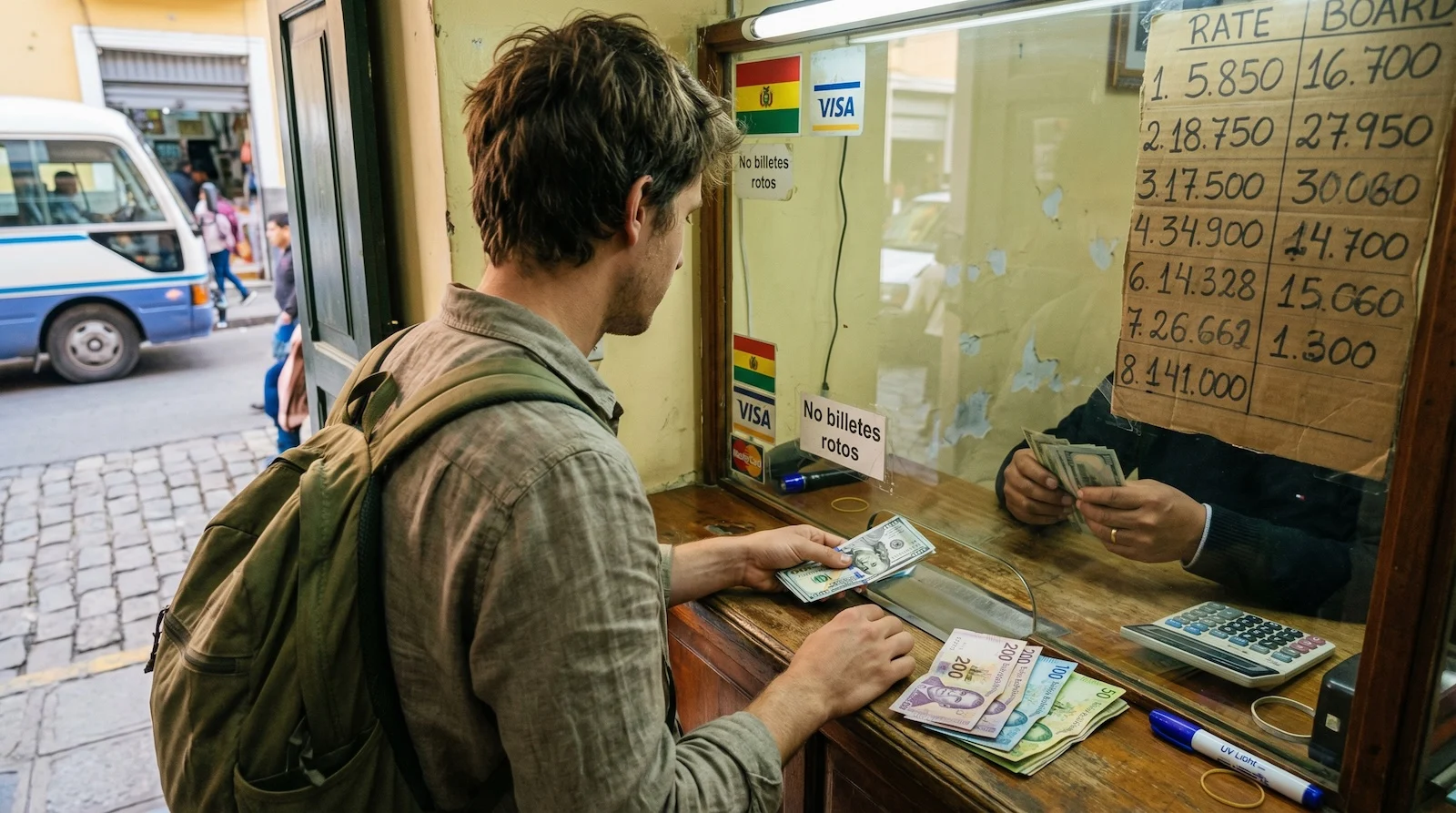
The Central Bank’s reference rate had already crept above 10 bolivianos per dollar before the announcement, making the peg more fiction than policy. In the parallel market, where Bolivians actually traded currency, rates had ballooned to around 12.9 to 13.1 bolivianos per dollar by late 2025.
How Bolivia got here
The fixed peg worked fine when Bolivia had the reserves to back it. The country’s foreign reserves once stood above $15 billion back in 2014. They’ve since plummeted to dramatically lower levels, leaving the central bank without the ammunition to defend the rate.
The regime change is part of a broader economic stabilization push that includes potential engagement with the International Monetary Fund. Mounting fiscal deficits made the status quo untenable.