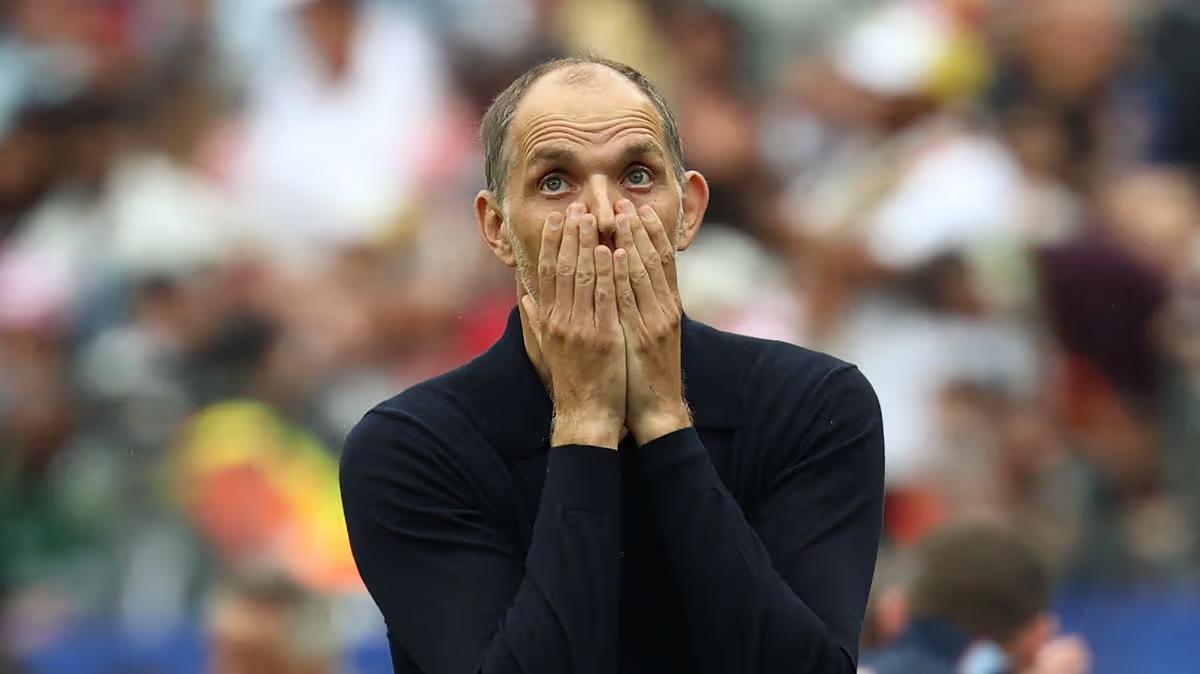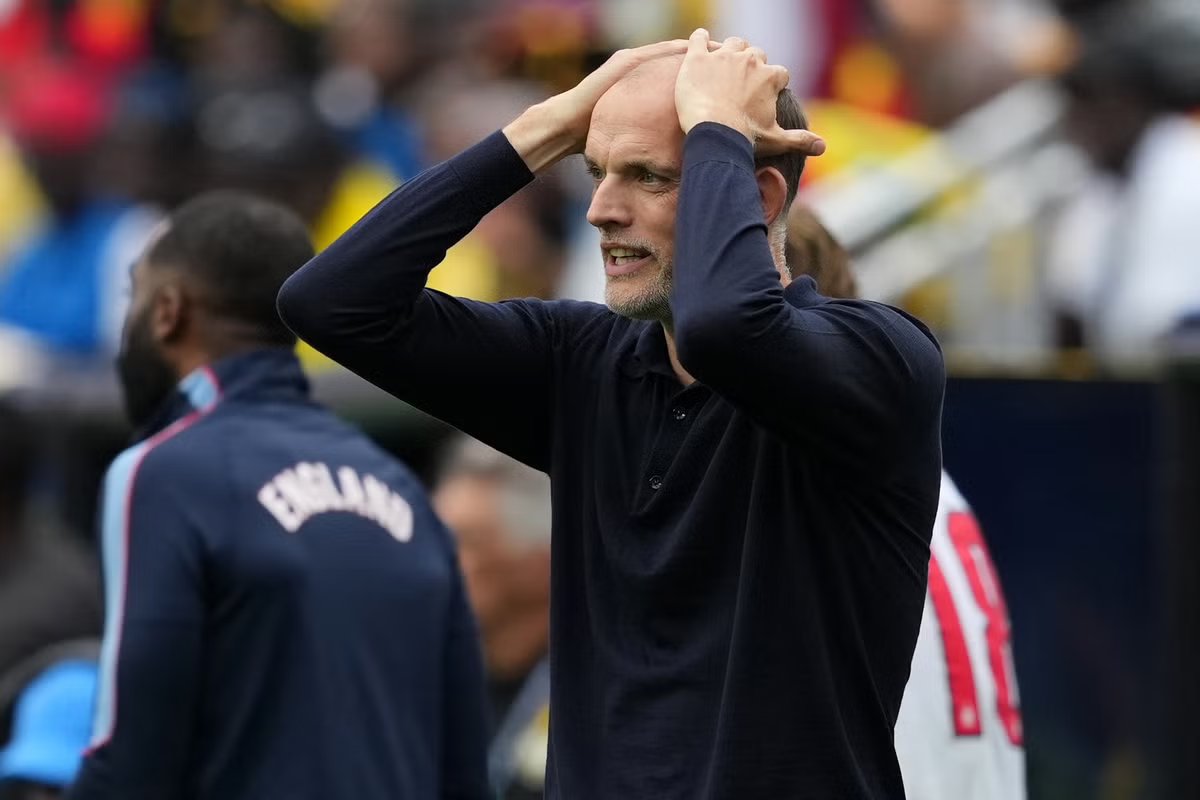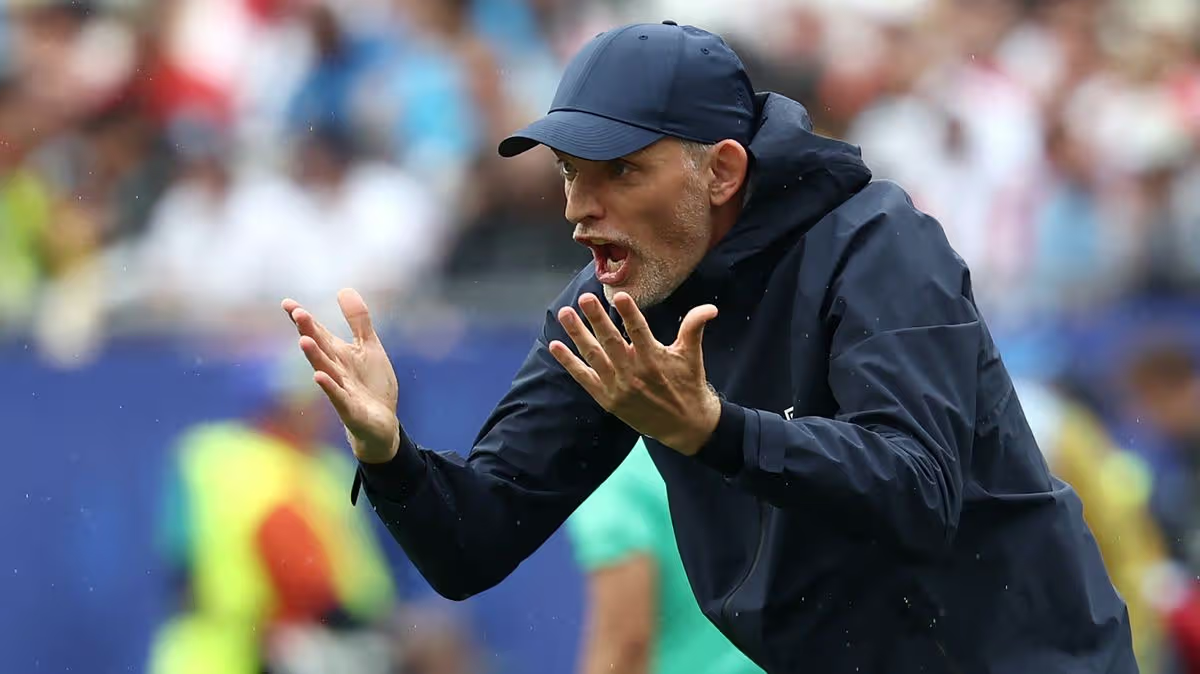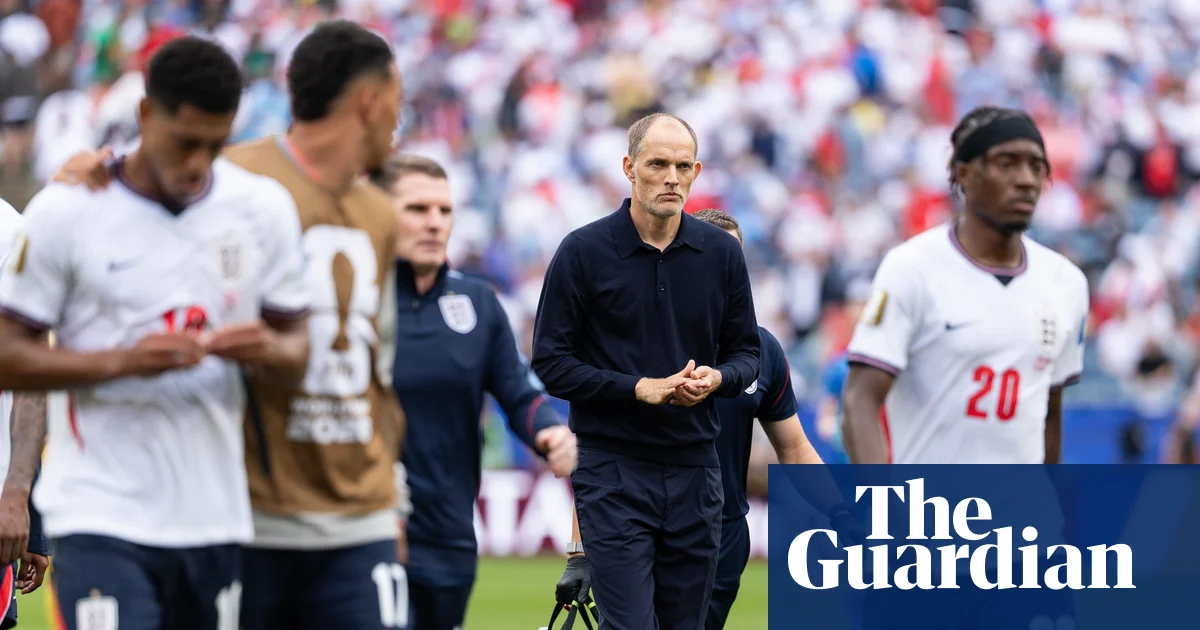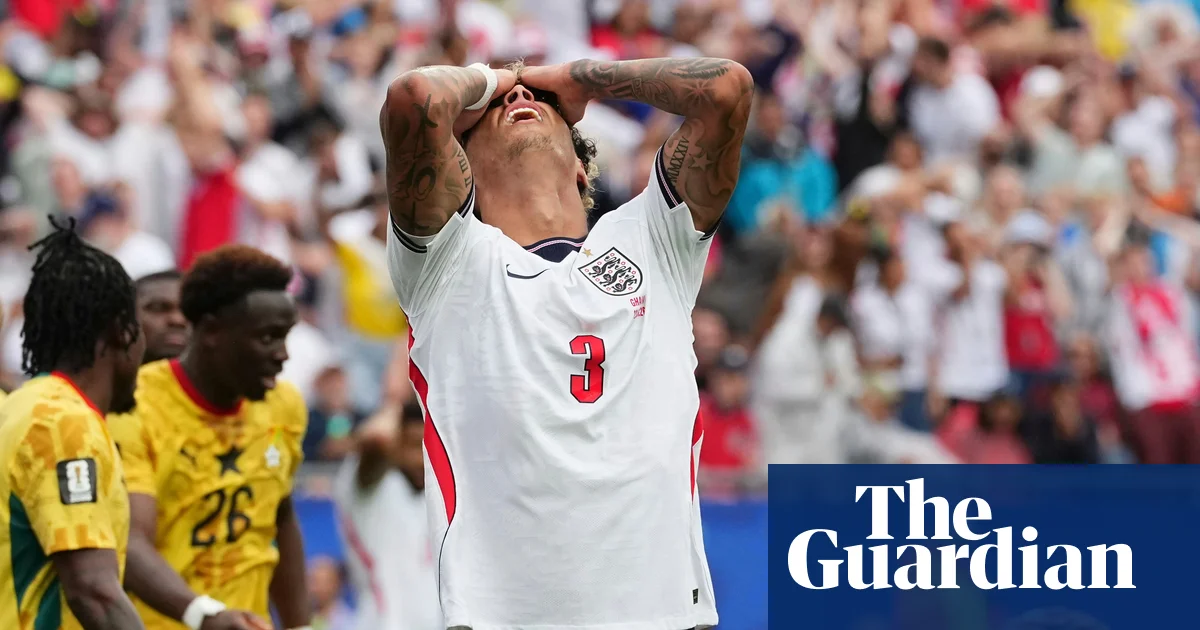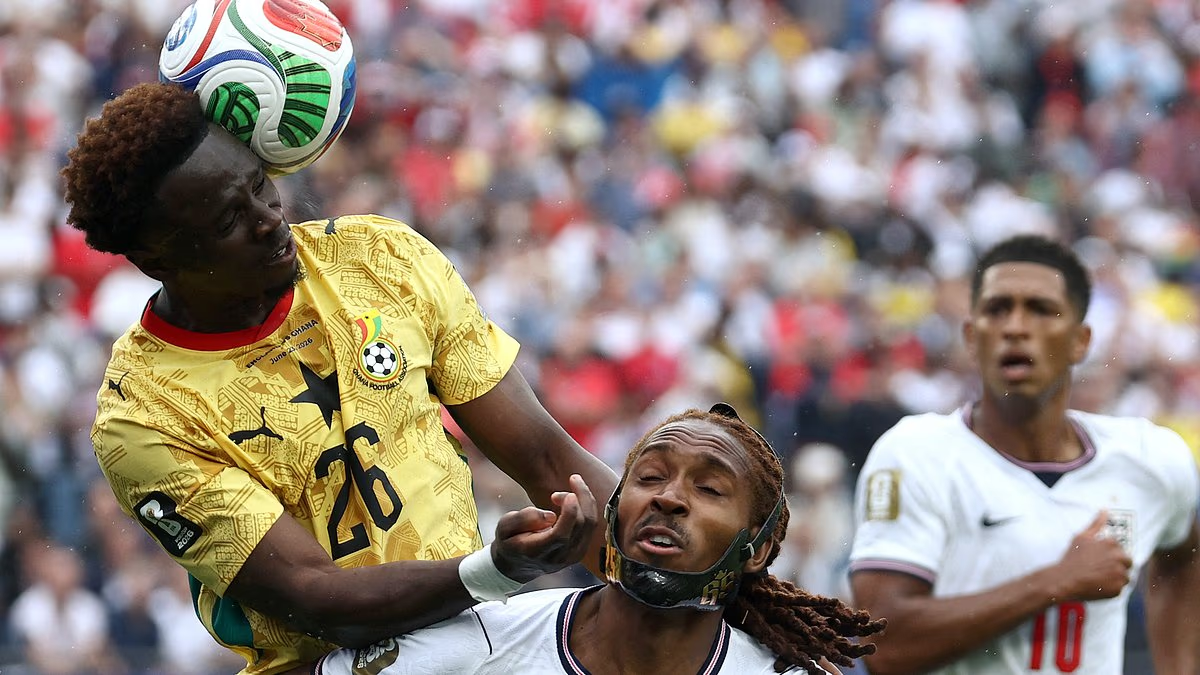
Thomas Tuchel let out a laugh. “I cannot engage this after a draw,” he said, shaking his head. “Spain had a draw. Brazil had their draw. Portugal had their draw.”The question, before England’s final World Cup group game against Panama on Friday, was about whether a frustrating 0-0 draw with Ghana had exposed shortcomings in his squad. Specifically — and this was the part the coach didn’t want to engage with — it was about whether, by leaving players such as Cole Palmer, Phil Foden and Trent Alexander-Arnold out of his squad, he had left himself short when it comes to trying to break down stubborn, deep-lying defences.“It’s a reflex,” Tuchel said. “Things don’t go well and then the guys on the bench are suddenly the ‘winners’ — or the guys at home are the ‘winners’. That’s not it. The game needs to be played how it’s played. (Against Ghana) it played out to be difficult. They made life very difficult for us. We selected a group from the evidence we had. It cannot be that you’re not selected and suddenly you will (be the answer). This is not how it works.”It isn’t just a reflex, though. The same questions were asked about Tuchel’s selections the moment he named his squad. The game in Boston brought some of those issues back to the surface — and that was before news emerged of the hamstring problem that will cause Reece James to miss the Panama game and potentially the round of 32, as well as concerns in midfield over the fitness of Declan Rice and Elliot Anderson.England had 78 per cent of the possession against Ghana, but only four shots on target. Tuchel made five substitutions with attacking intent, replacing Anthony Gordon, Djed Spence, Jude Bellingham, Anderson and Noni Madueke with Bukayo Saka, Nico O’Reilly, Morgan Rogers, Eberechi Eze and Marcus Rashford, but there was still something missing from their play. In wide areas, they lacked quality. Through the congested central areas, there was little imagination and creative spark. It all felt like a reality check after that stirring 4-2 victory over Croatia.The big question for Tuchel is whether this campaign will be defined by the incisiveness of that opening game against Croatia or by the bluntness that took hold against Ghana six days later.A World Cup campaign is about peaking at the right time, rather than going full throttle from the start. The last winner to sail through the group stage with three wins out of three was Brazil in 2002. Since then, Italy drew a group game with the United States en route to success in 2006, Spain lost their opening game to Switzerland in 2010, Germany drew with Ghana in 2014, France toiled to a 0-0 draw with Denmark in 2018 and Argentina lost their opening game to Saudi Arabia in 2022.Equally, though, England’s performances so far have reinforced a certain view of Tuchel’s team. They have become highly proficient at set pieces and fast breaks, strengths that were underlined in their two outstanding performances under the former Chelsea coach, away to Serbia last November and against Croatia last week. But throughout the qualifying campaign, in games against Andorra, Albania and Latvia, as well as against Ghana on Tuesday, they have struggled against low blocks.Tuchel doesn’t hide from that. “I think it’s just like that,” he said. “It is difficult for club teams who have more training time and ultimately connections, (who) can put more tweaks into their routines. It is normal that it is difficult for us to overcome these types of blocks. I haven’t found the recipe where, ‘They do this, then we do this — and then we are fine’.”
Tuchel is laughing off questions but injuries are making some England omissions look like oversights
Are England too predictable too often when faced with a resilient, well-organised defence? It seemed that way against Ghana
1,728 words~8 min read