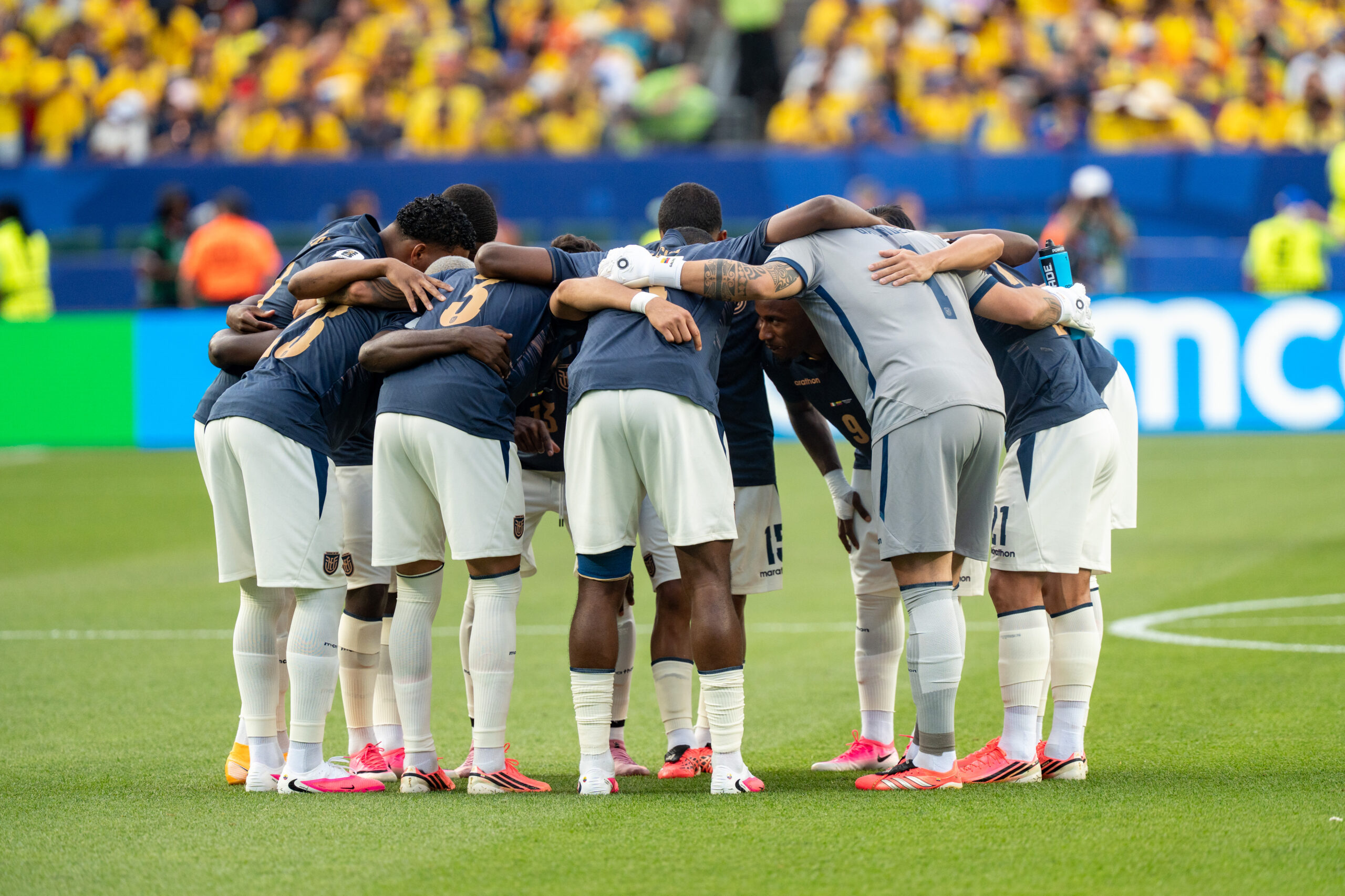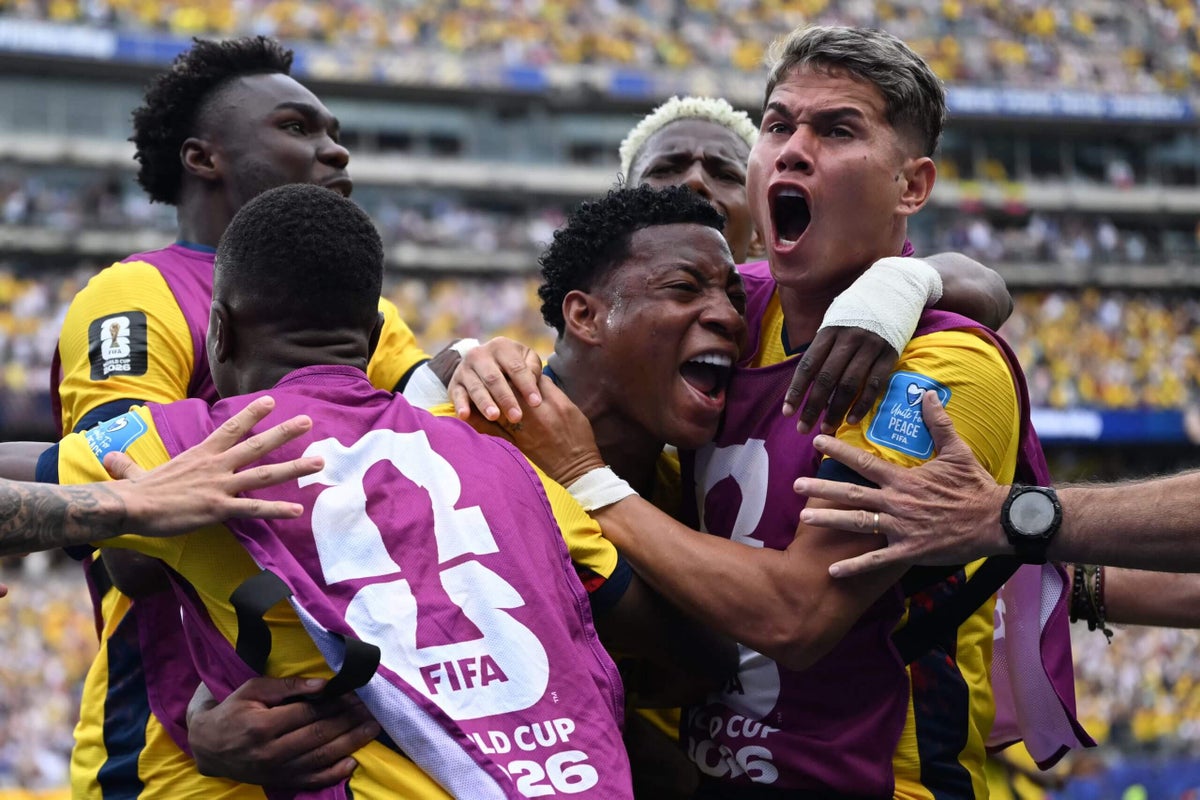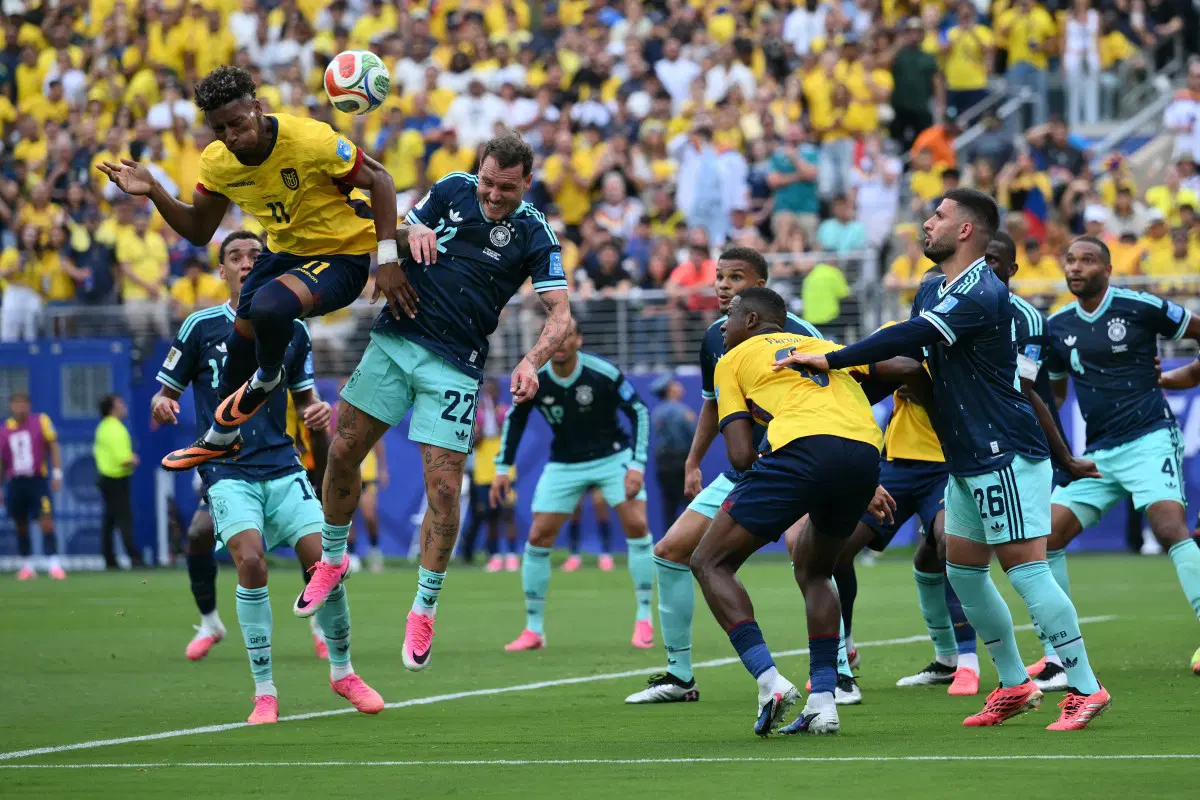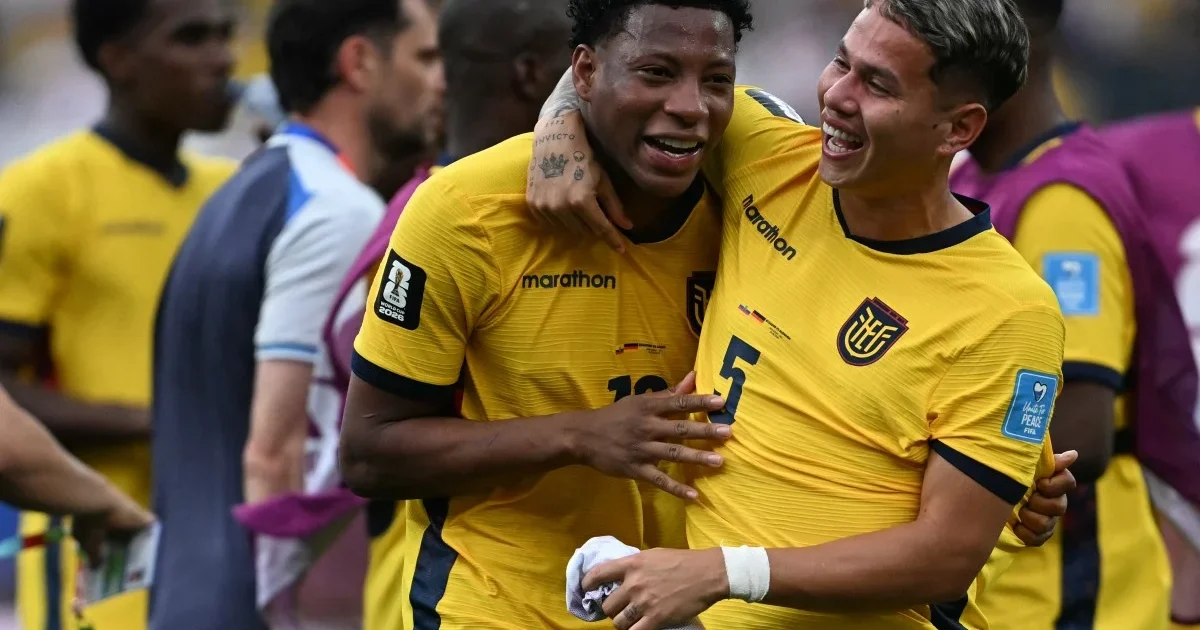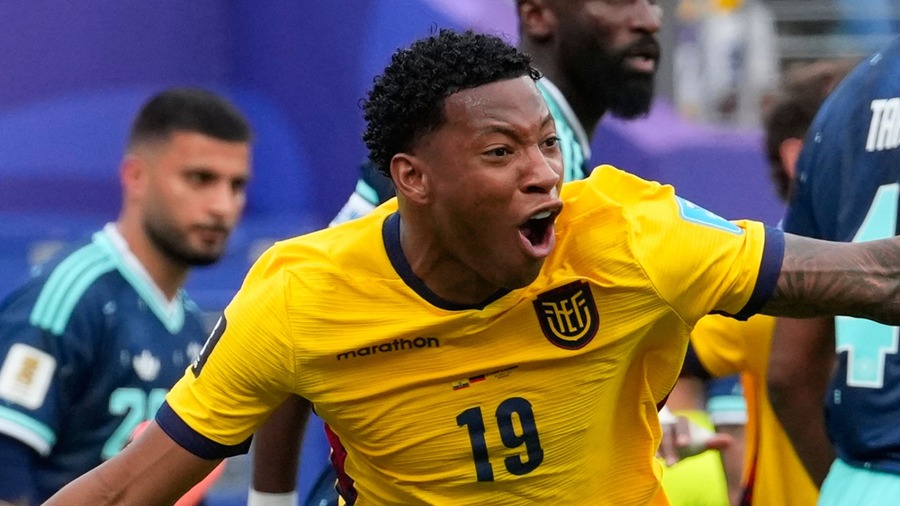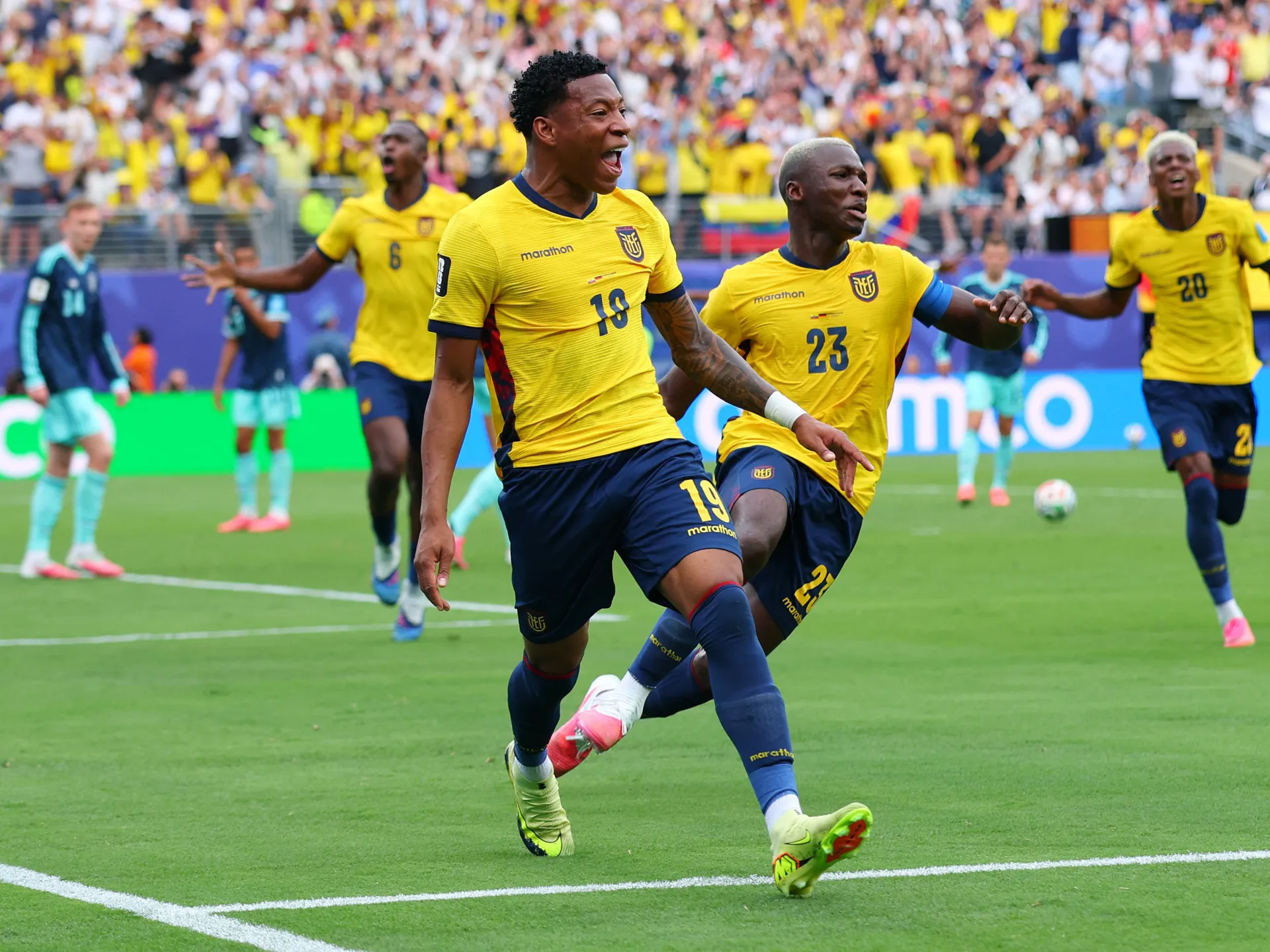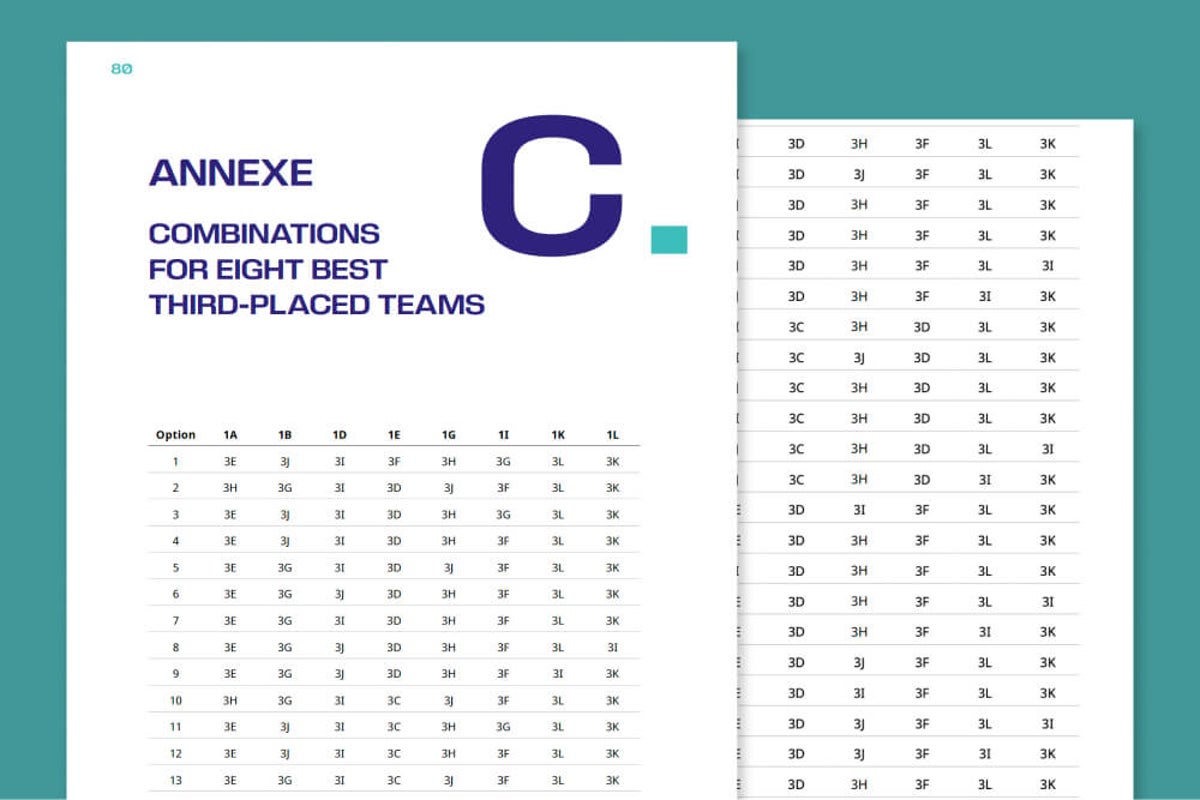
As soon as Ecuador stunned Germany to earn a spot in the World Cup knockout rounds, a tearful scene of celebration overtook the stadium. The team had just delivered one of the best days in its history and the country’s president declared the next day a national holiday. What comes next in the tournament? They don’t know. They’re still waiting to find out who they’ll play in the Round of 32.The answer to the question of who plays where lies in a 495-row table on page 80 of “Annexe C: Combinations for eight best third-placed teams” in FIFA’s regulations for the tournament.In the new 48-team World Cup format, the top eight of 12 third-place teams move on to the knockout rounds. That means there are 495 possible combinations of third-place teams that advance. (You are picking eight groups from 12 options — if you took a statistics class in high school, this might have been described as “12 choose 8.”)FIFA does not sort or rank the third-place teams within that top eight; it instead considers them as a set. So once we learn which eight third-place teams are in, all we need to do is go to that specific row of this table to see where each of these teams will go in the bracket.For instance, here is the first page of “options” for how the matchups would be set if certain combinations of groups produced a third-place team that advanced.If Groups E, J, I, F, H, G, L and K had third-place teams advance to the knockout rounds, the third-place team from Group J would have played the first-place team from Group B. This scenario is no longer possible based on results so far.(The winners of four groups — C, F, H and J — are not included here; they will play a group runner-up in the Round of 32, rather than a third-place team.)
Why don’t we know where some third-place teams will play yet? A 495-row table has the answer
The answer to the question of which World Cup knockout qualifier plays where lies in a 495-row table. This is how to read it
736 words~3 min read