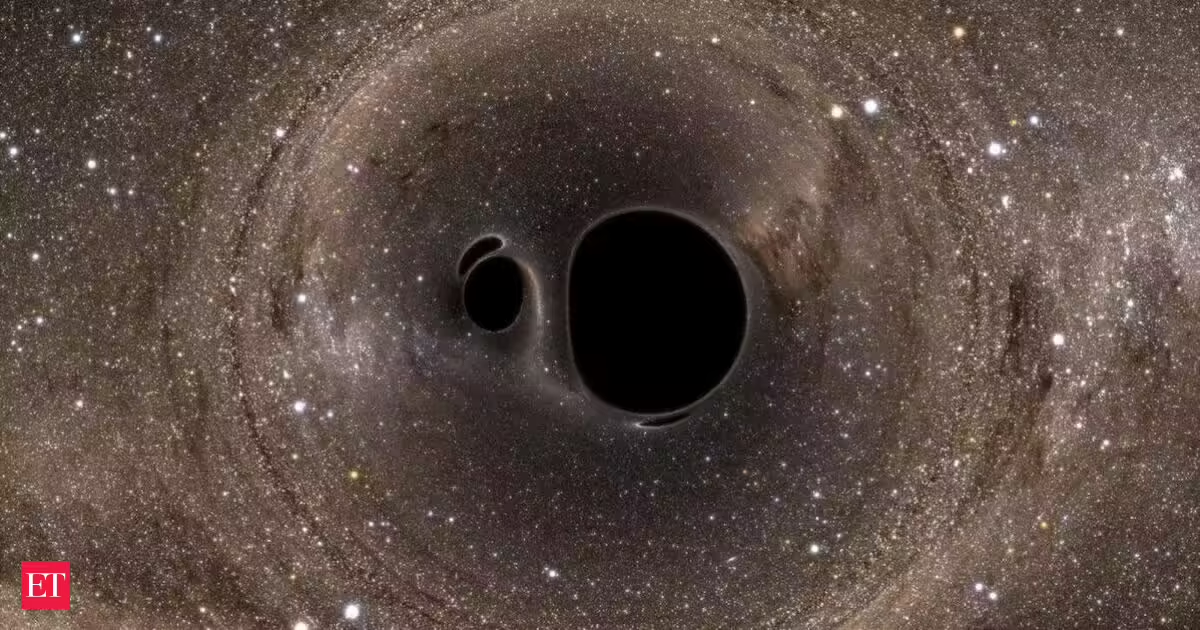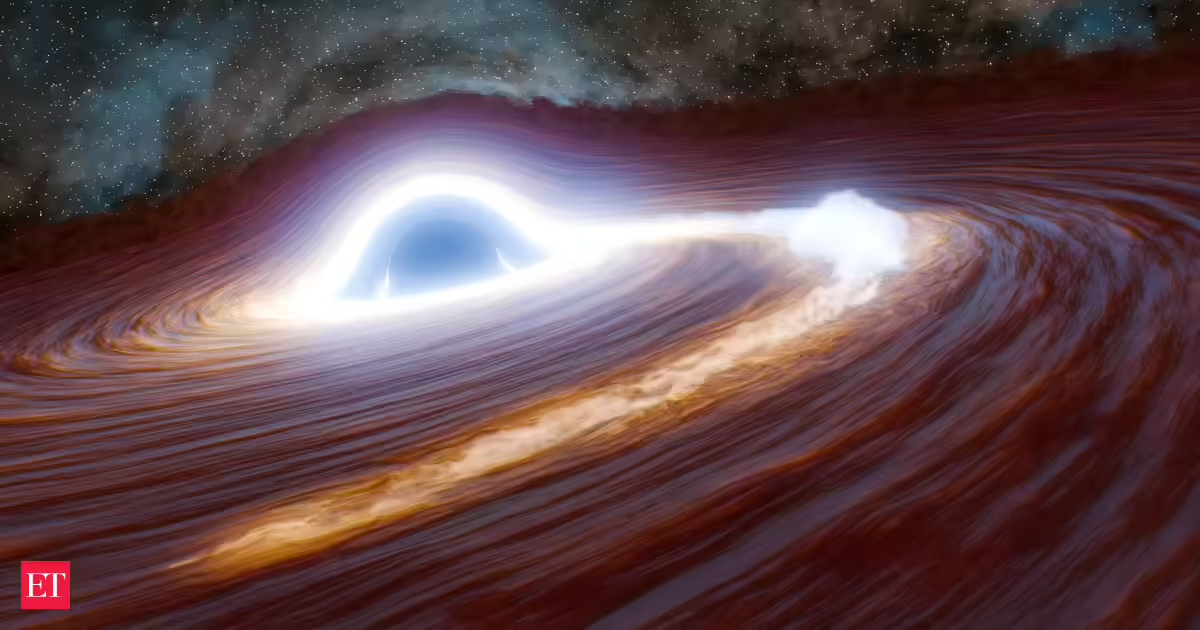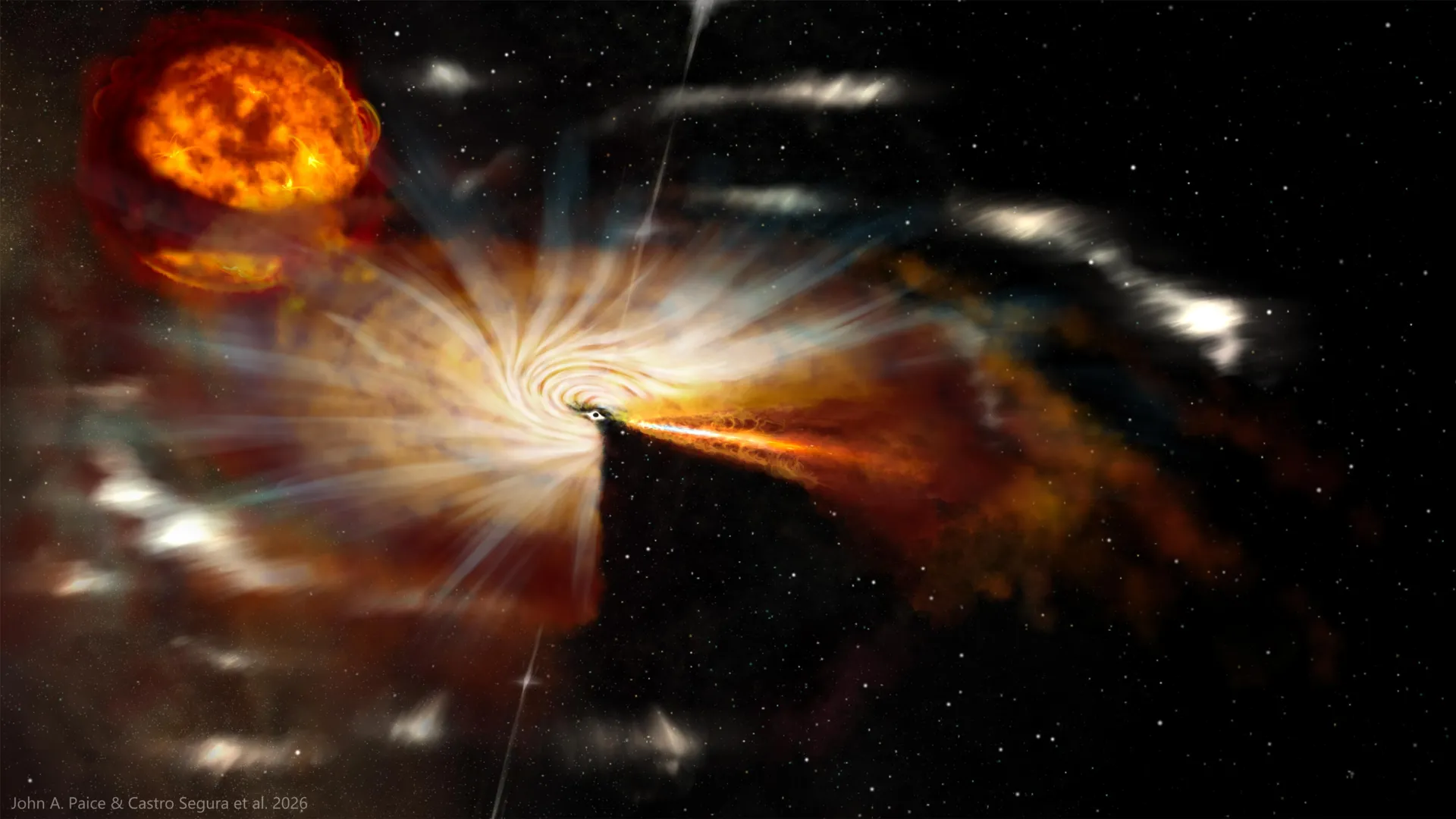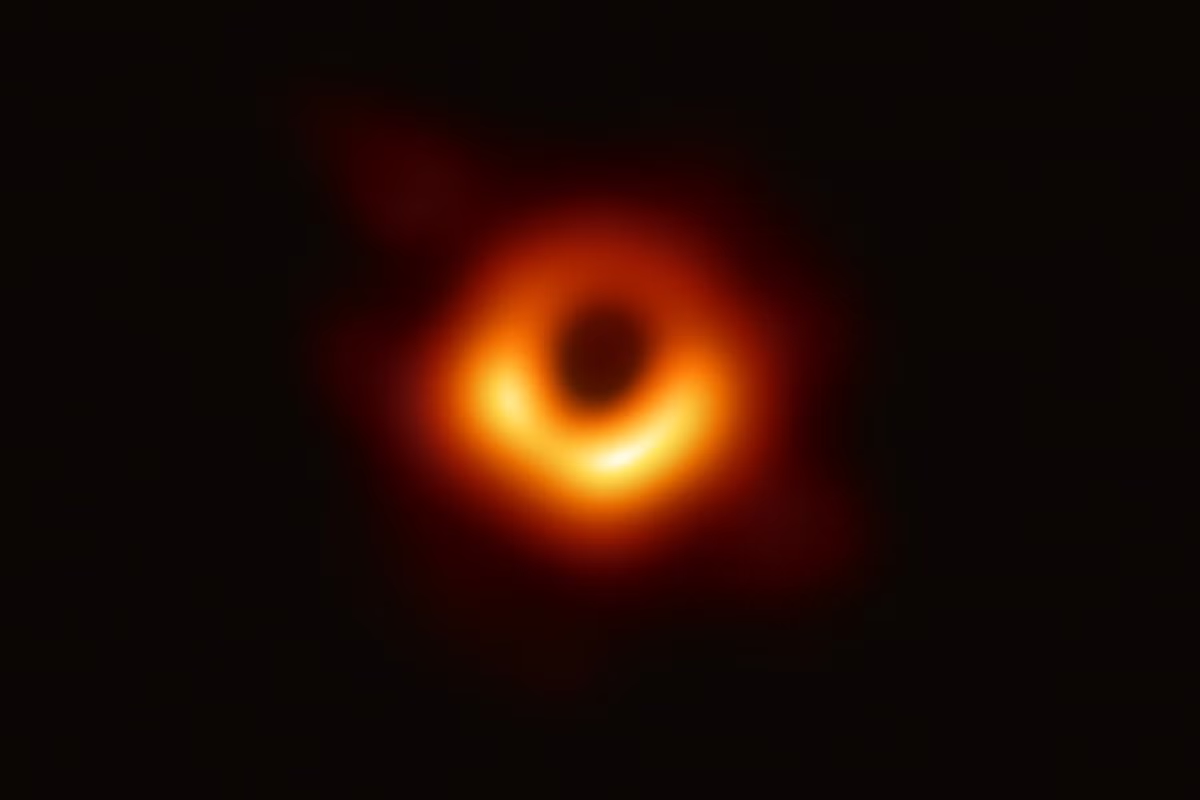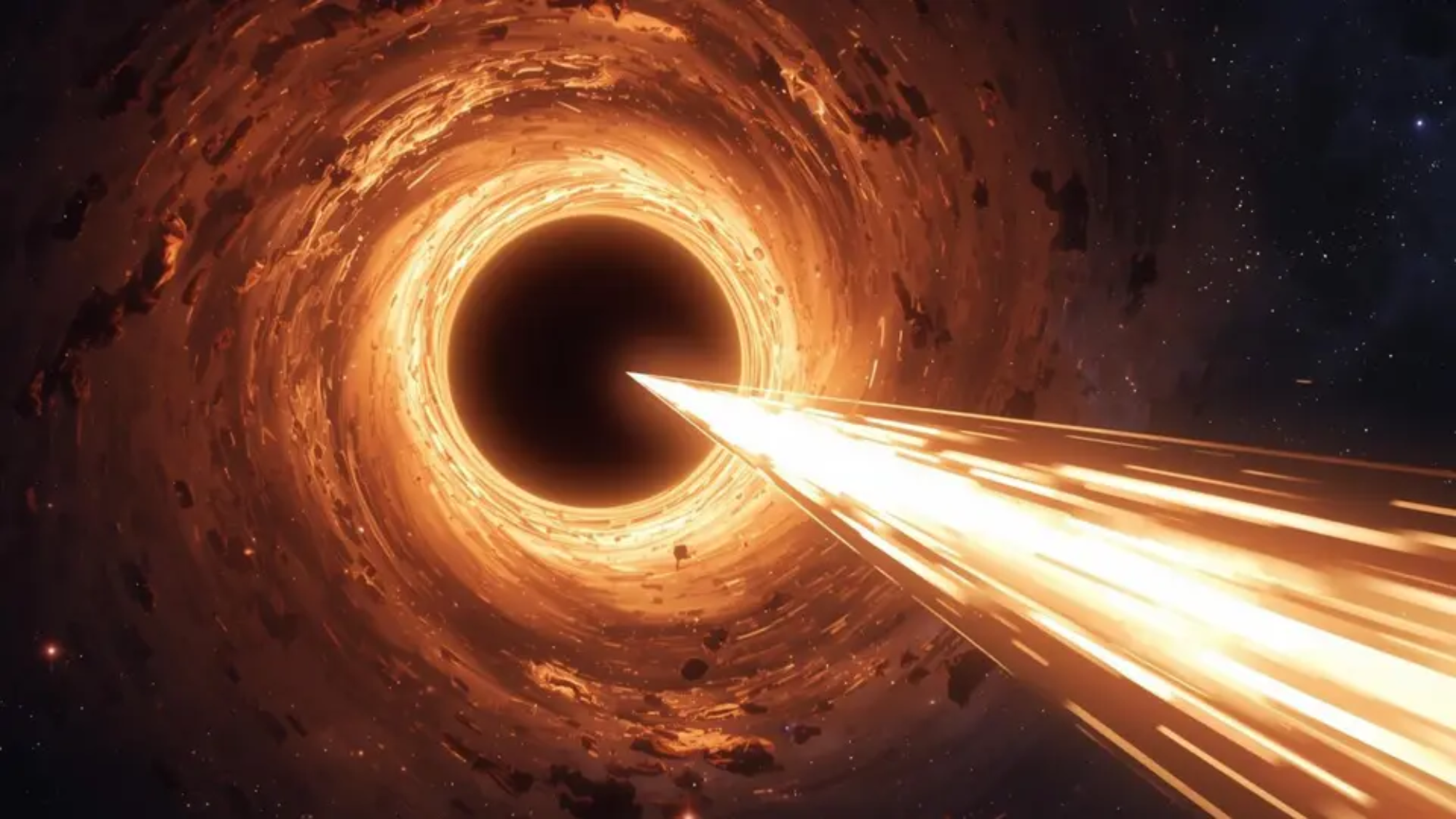
Black holes are often misunderstood to be just that: dark and mysterious voids that are somehow akin to Alice in Wonderland’s mind-bending rabbit hole. But rather than a tunnel of nothing, a black hole is actually something — and a lot of it. The densest objects in the universe, black holes exert tremendous gravitational pull, gathering in the surrounding fabric of space and time, and generating huge disks of matter that whirl toward a black hole before falling in, past the point of no return. In recent years, as astronomers have been able to train more telescopes on the sky, for longer stretches of time, they have captured a surprising range of black hole behavior.“It used to be that we didn’t have eyes on systems all the time,” says Erin Kara, an associate professor of physics at MIT. “Now we’re seeing that they can turn on and off at rates that are much faster than we ever thought possible. We see things are getting sucked in toward black holes faster than we thought, perhaps due to stars whipping around and getting trapped in a black hole’s accretion disk.”Kara and her group in MIT’s Kavli Institute for Astrophysics and Space Research are at the forefront of black hole physics. She is using data from telescopes in space and on the ground to study the properties of black holes, especially supermassive black holes — the ultradense giants at the centers of galaxies. Supermassive black holes are the engines of galaxy formation. Kara, who recently earned tenure at MIT, seeks to connect the extreme physics of black holes with how galaxies such as our own Milky Way come to be.
Listening for the echoes of black holes
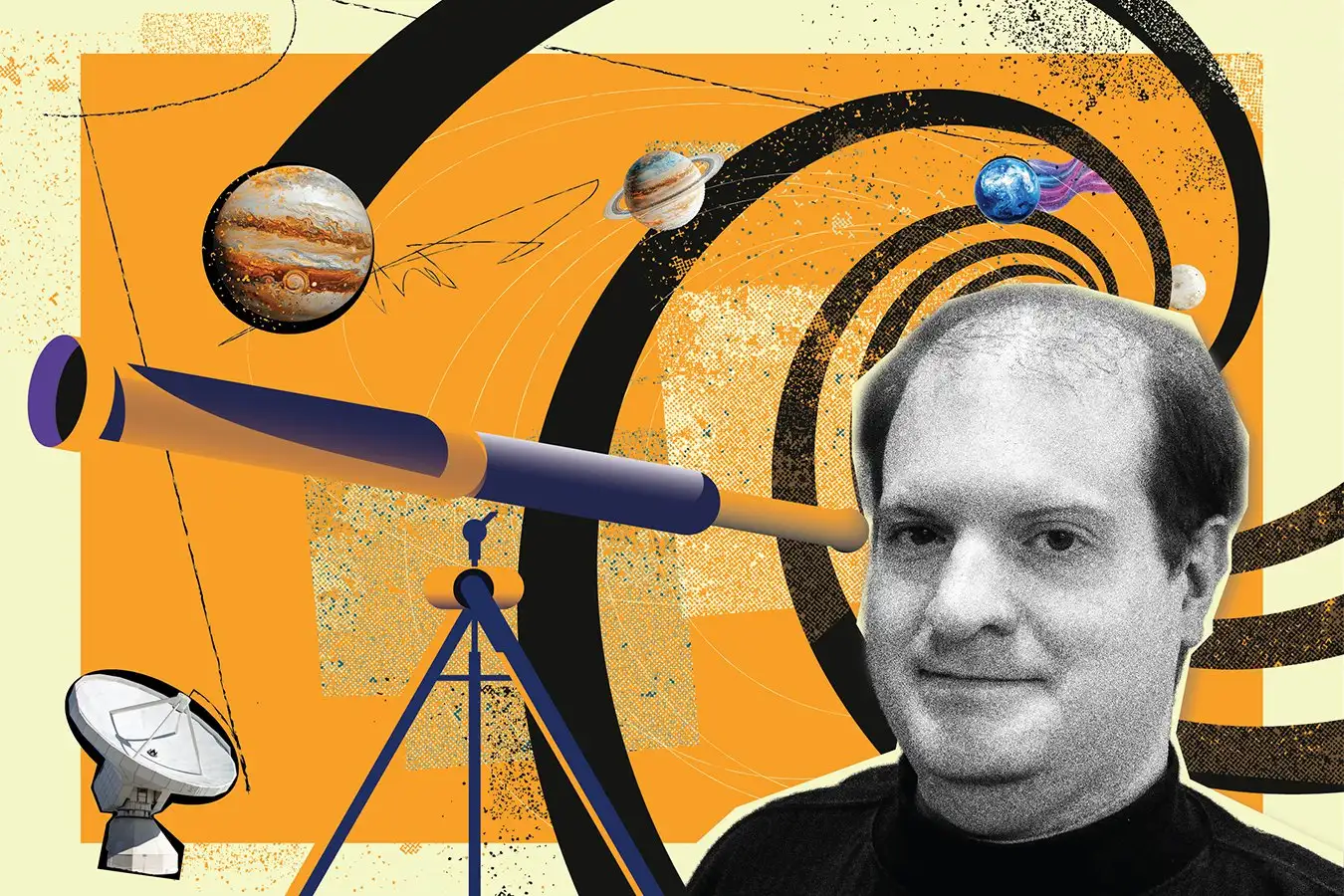
MIT Associate Professor Erin Kara seeks to connect the extreme physics of black holes with how galaxies such as our own Milky Way come to be.
1,689 words~8 min read