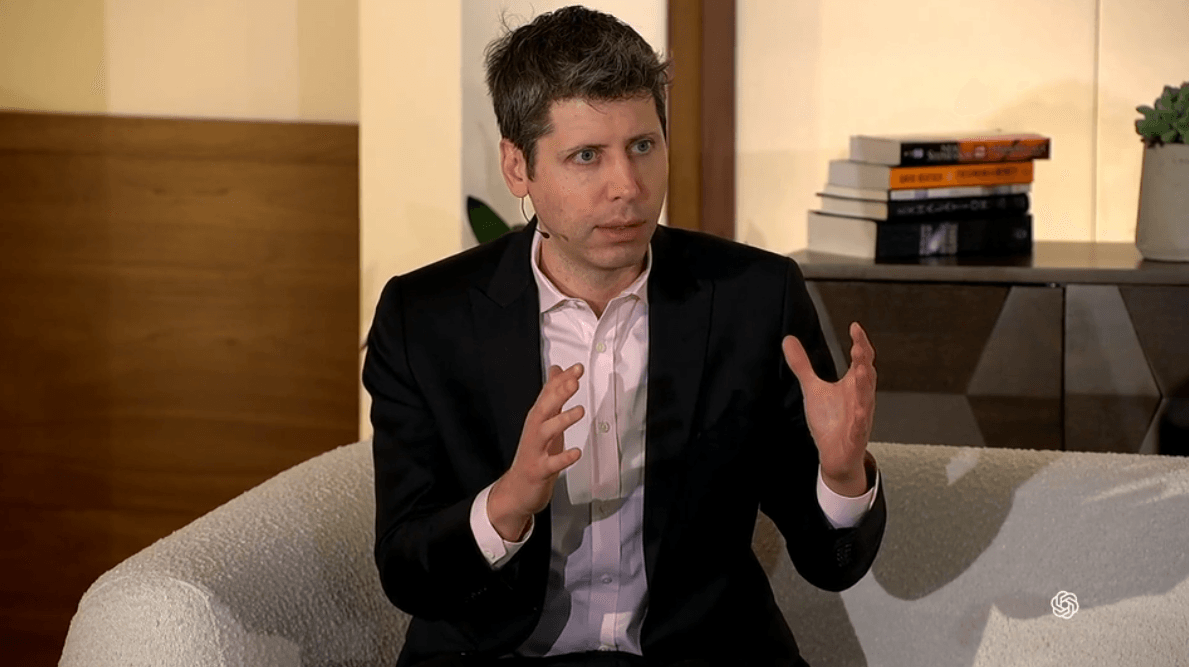
Mark Chen, OpenAI’s Chief Research Officer, laid out a vision of AI models that don’t just follow instructions but actively develop their own innovations. In a June 2026 interview for Latent Space, Chen described a trajectory where pre-training remains the foundational layer powering increasingly autonomous systems.
Pre-training as the engine of autonomy
Chen’s argument centers on a deceptively simple idea. The better a model’s pre-training, the more capable it becomes at handling tasks that stretch over long time horizons without constant human guidance.
In AI terms, that absorbed knowledge is what allows models to undertake what Chen described as “long-horizon tasks,” meaning projects that require sustained focus, planning, and adaptation over extended periods rather than quick one-shot answers.
Chen pointed to OpenAI’s o1 series of reasoning models, first introduced in 2024, as a pivotal milestone in this evolution. Those models represented an early step toward machines that could genuinely reason through multi-step problems rather than pattern-match their way to answers.