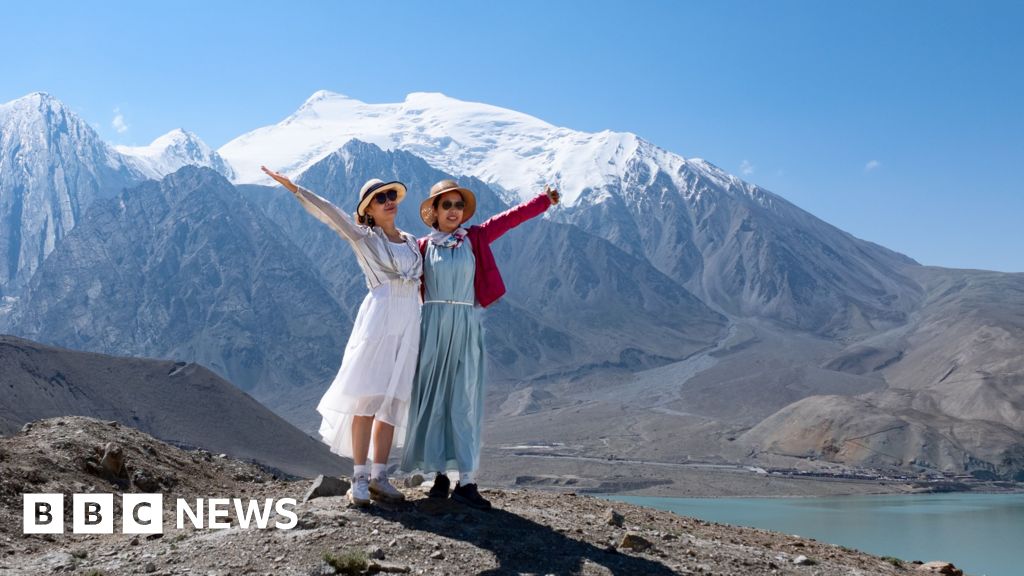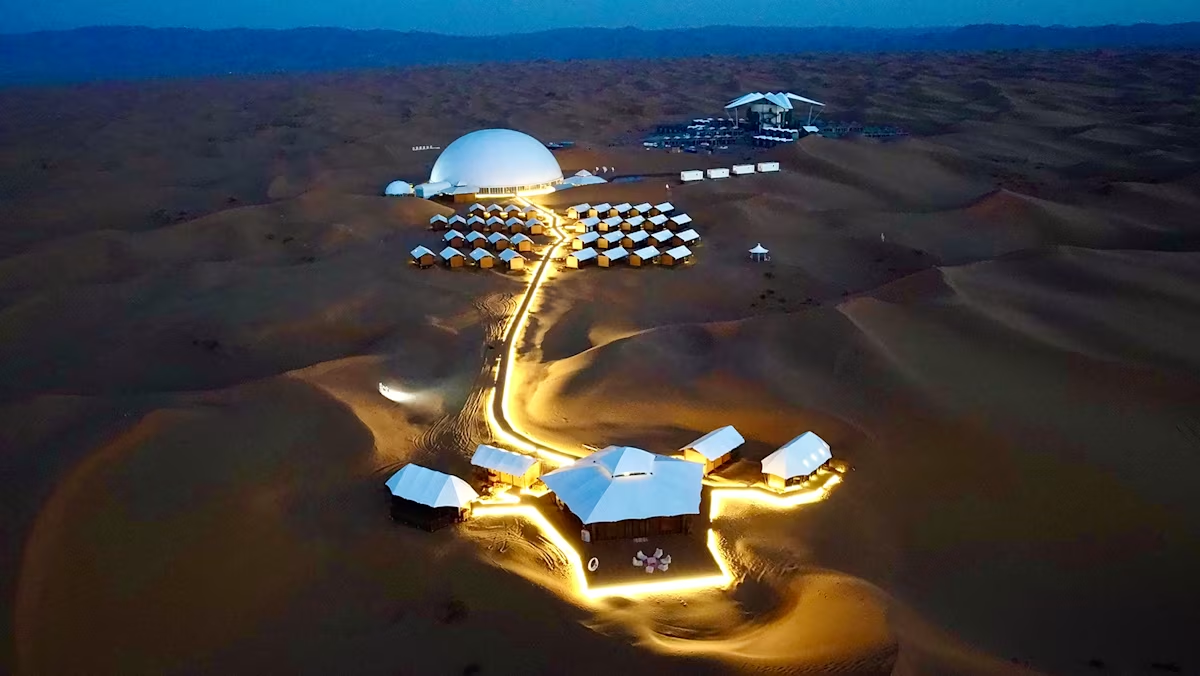
Few places in China offer the Great Wall, the Yellow River and the ancient Silk Road within a single province. Ningxia is one of them.The Ningxia Hui Autonomous Region rarely features on lists of China’s best-known travel destinations. Yet this remote province in northwestern China, one of the country’s smallest, is home to stretches of the Great Wall, the Yellow River and the Silk Road.Together, they give Ningxia an appeal that far exceeds its modest size.Travelling across the 66,400 sq km province, visitors encounter remnants of the Ming Dynasty Great Wall, a relatively tranquil stretch of the Yellow River and mountain and desert landscapes that evoke the Silk Road's heyday during the Tang Dynasty.Ningxia is unlikely to feature on most first-time China itineraries. For travellers who have already visited the country’s major cities, however, it offers something increasingly rare – a destination that still feels relatively undiscovered.
The Yellow River is one of Ningxia's defining geographical and cultural landmarks, shaping the region's landscapes and history. (Photo: iStock)
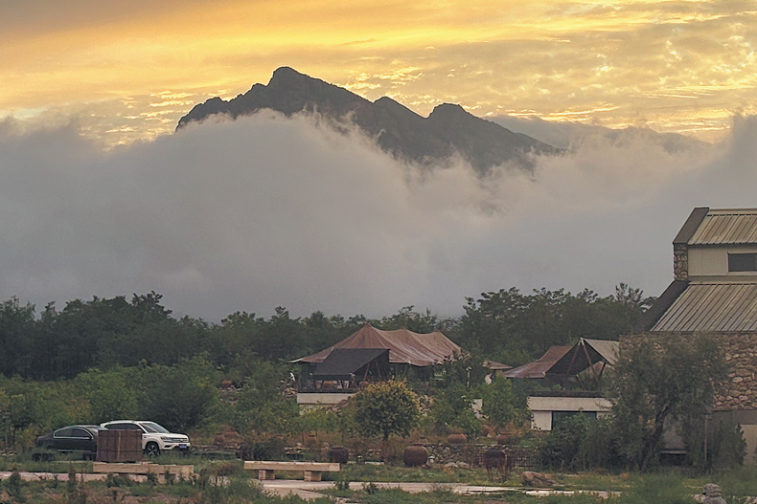
Another draw is that Ningxia is highly Muslim-friendly. The Hui ethnic group, distinct from the Han majority, account for about one-third of the region's 7.3 million residents and are predominantly Muslim.Prayer facilities and halal dining options are easy to find. According to our local guide, about 80 per cent of food and beverage outlets in Ningxia are halal. Beef and mutton feature prominently in local cuisine, and the region’s prized Tan sheep are so highly regarded that they are served at official state banquets.During our four-day visit to Ningxia in May 2026, we sampled the local mutton. The meat was tender and flavourful, with a generous amount of fat but none of the gaminess often associated with sheep. Because of animal health import restrictions, Tan sheep are rarely found outside China, making them a speciality worth seeking out while in Ningxia.Ningxia’s capital, Yinchuan, is a compact Tier 3 city characterised by modern mid-rise buildings, wide boulevards and remarkably clean streets. Traffic is noticeably lighter than in China’s larger Tier 1 and Tier 2 cities. There is also a certain frontier quality to the city, underscored by occasional glimpses of the Helan Mountains in the distance.