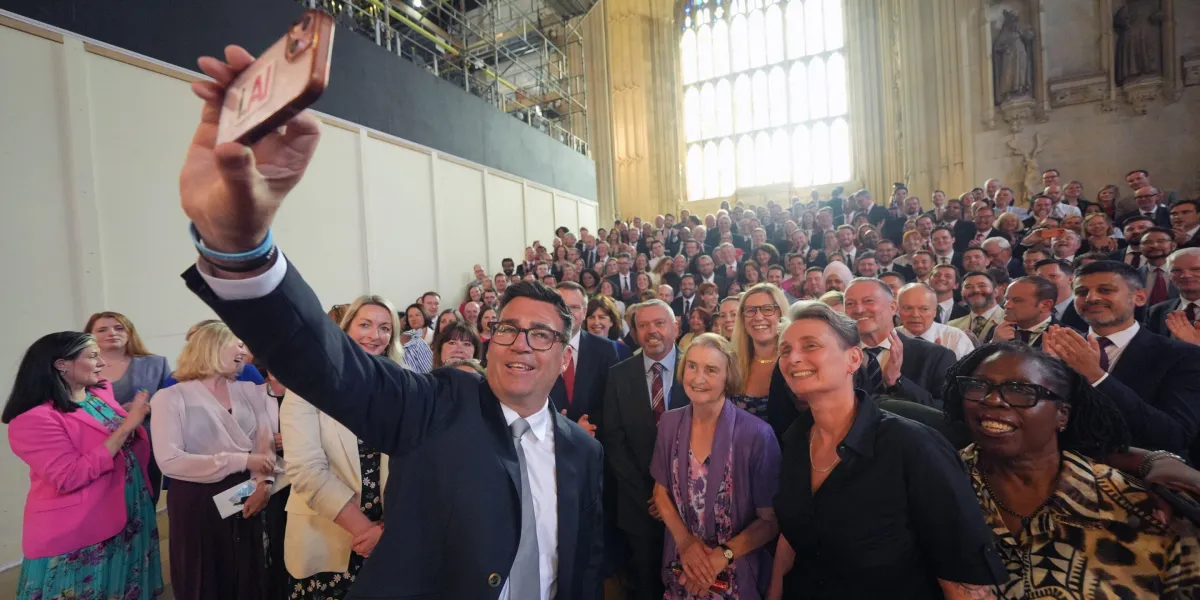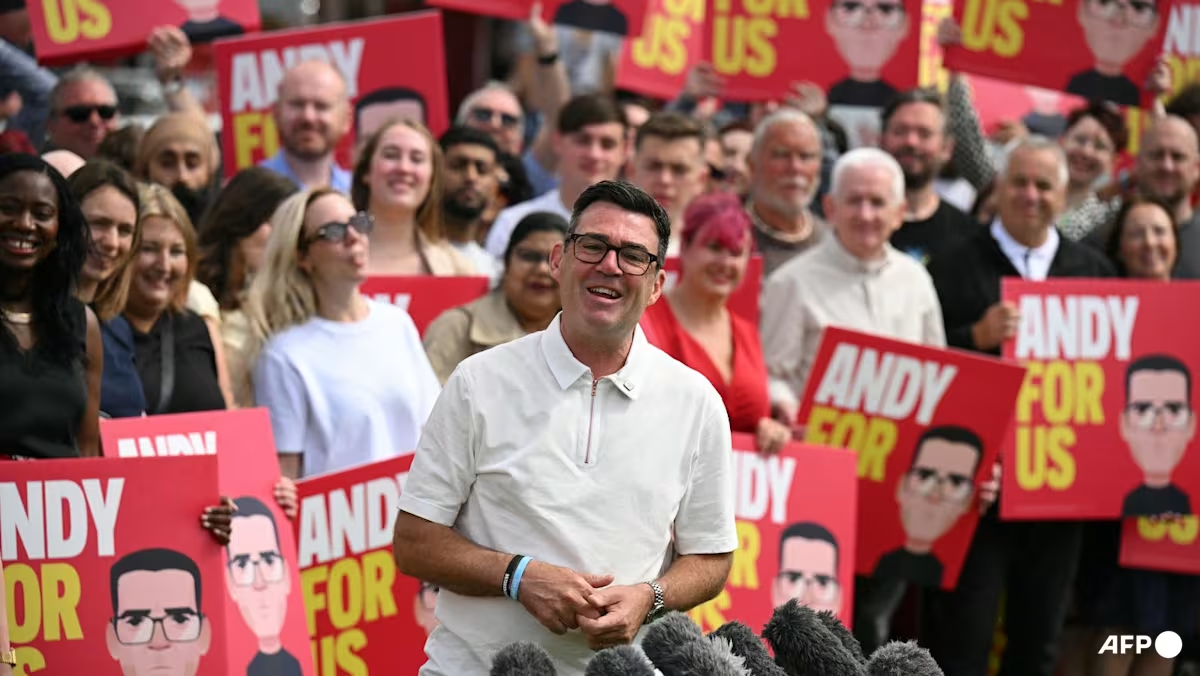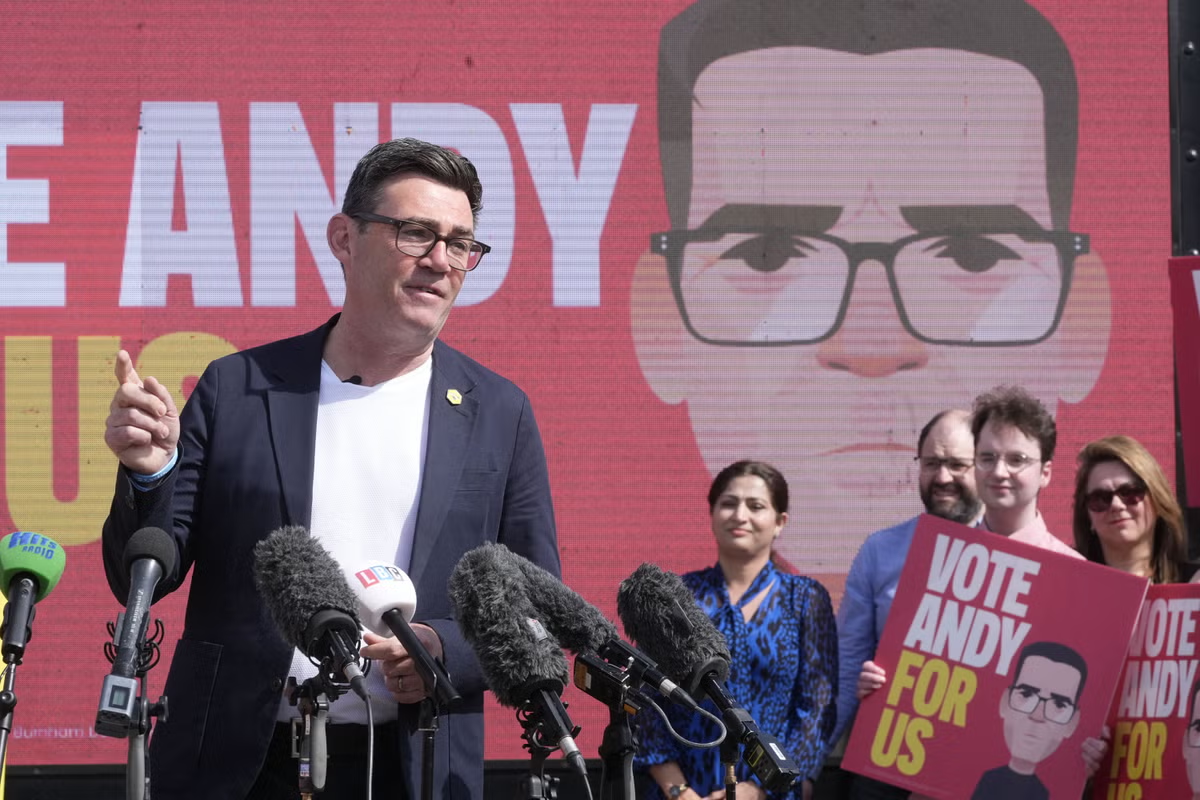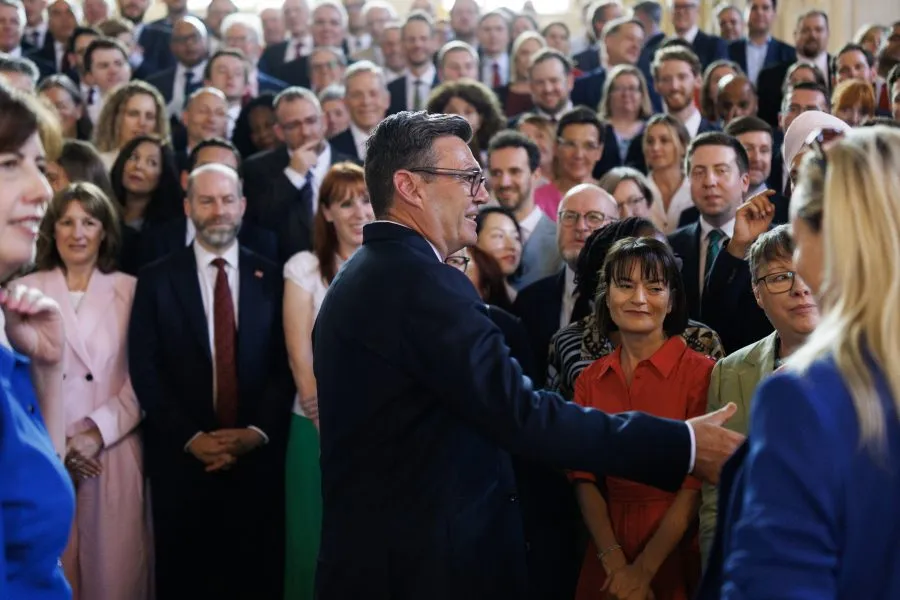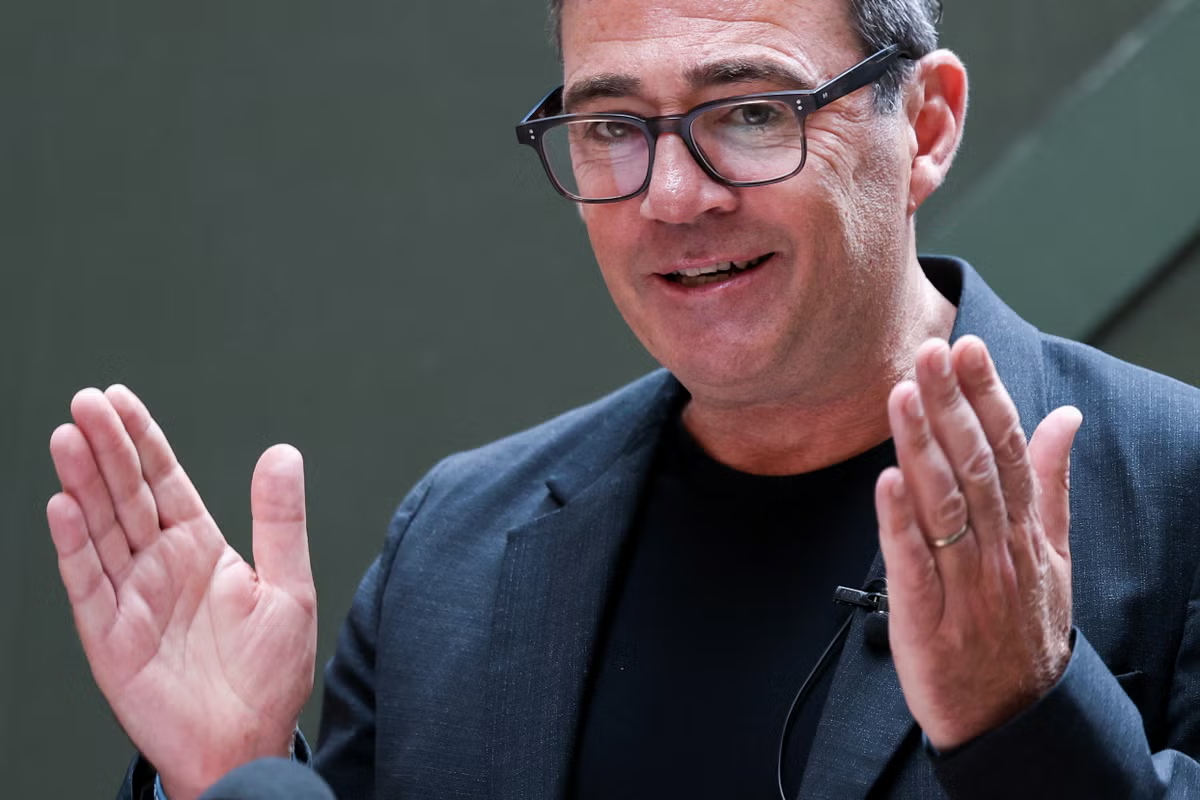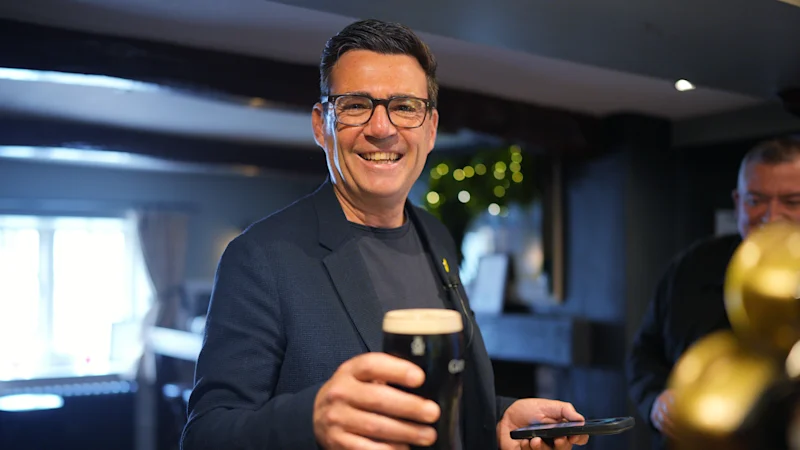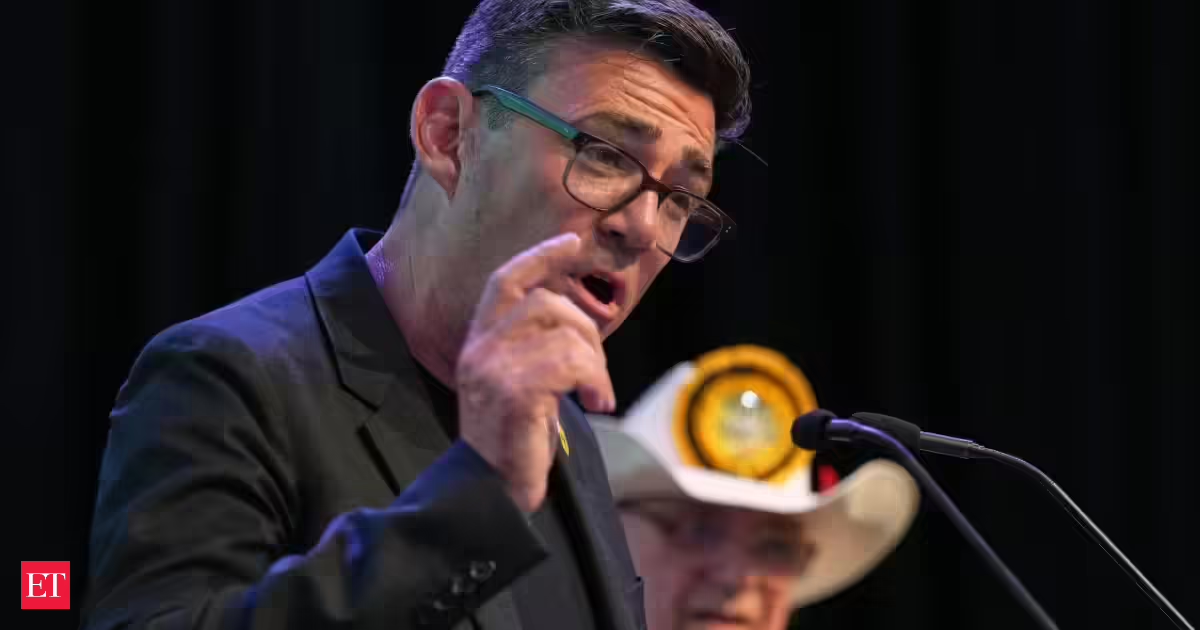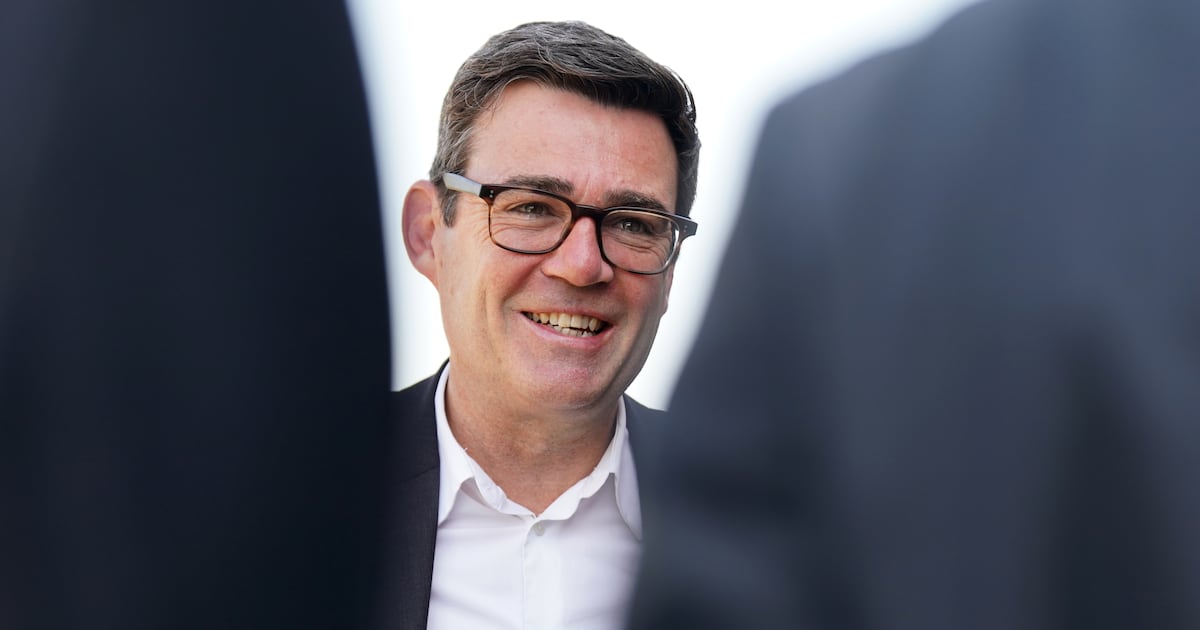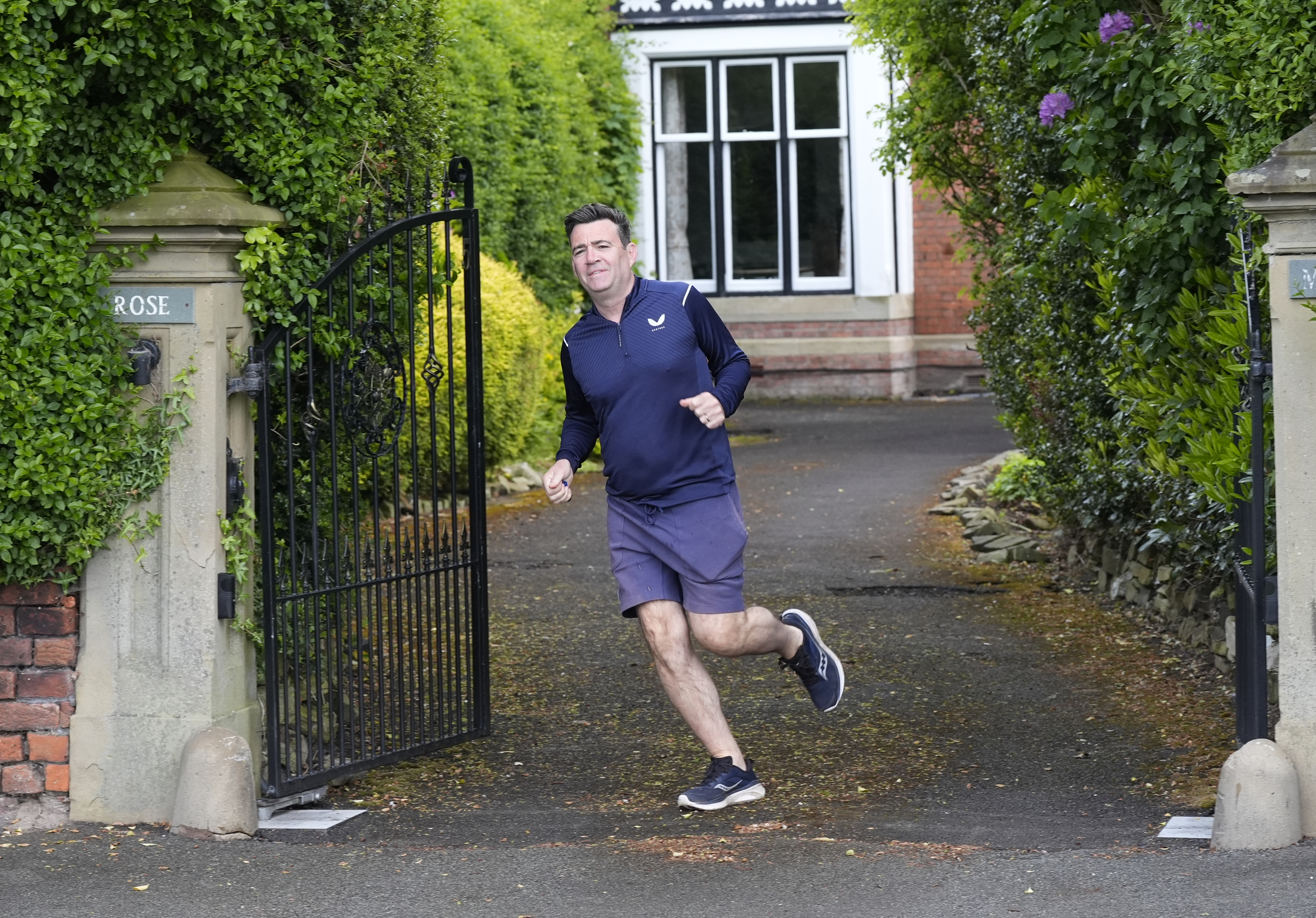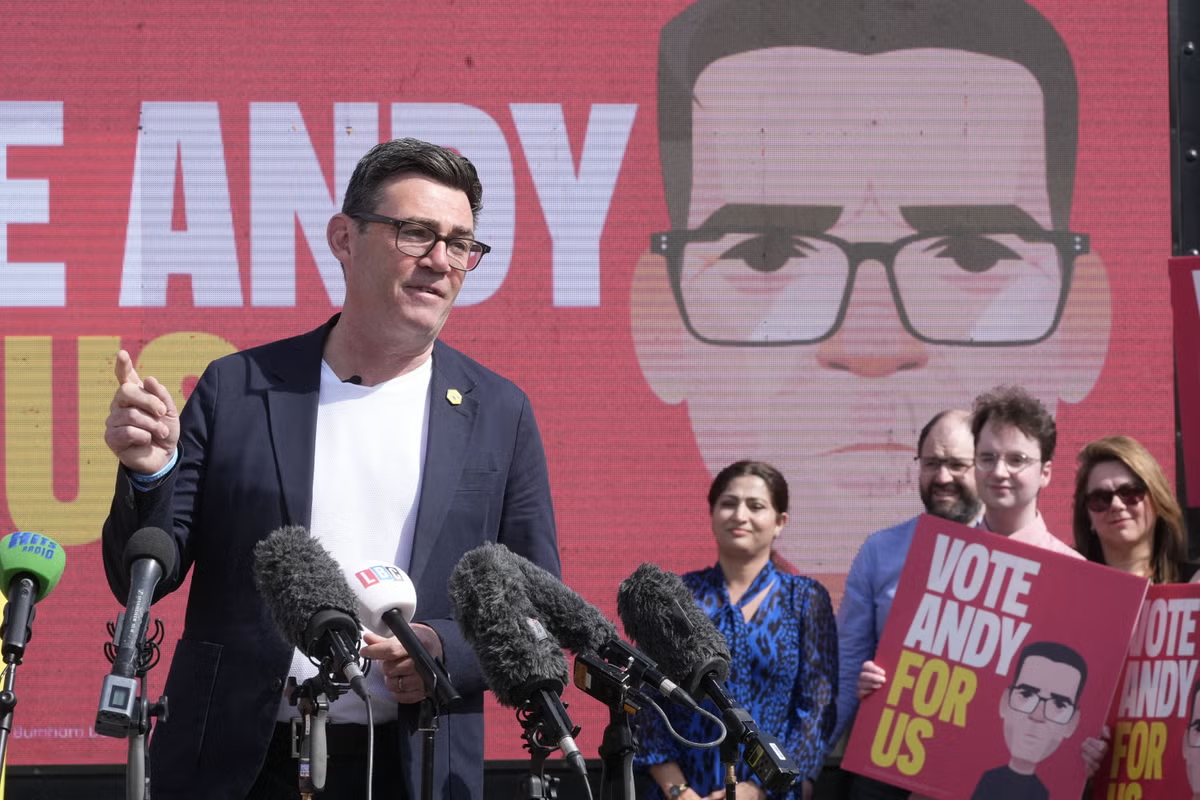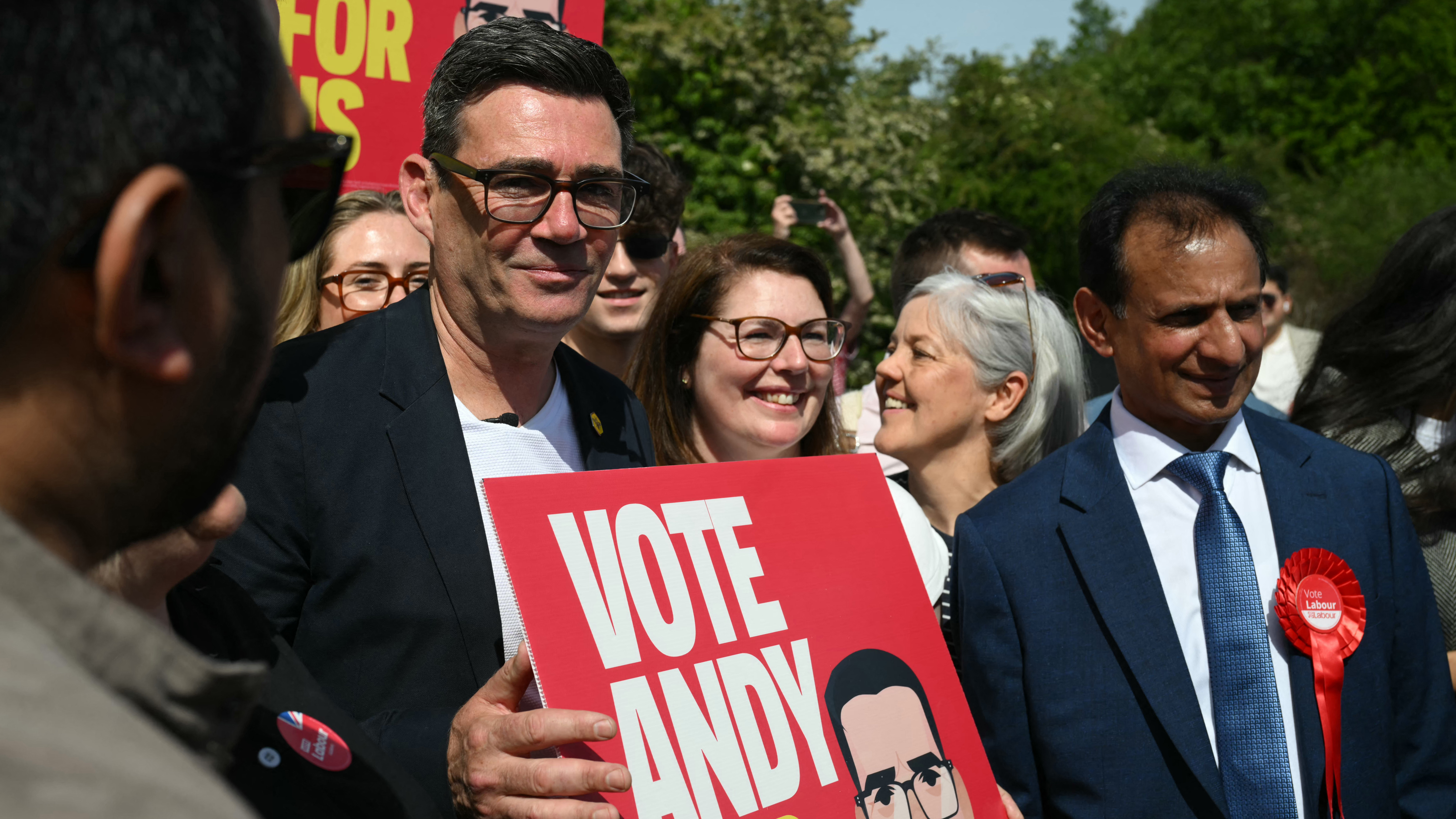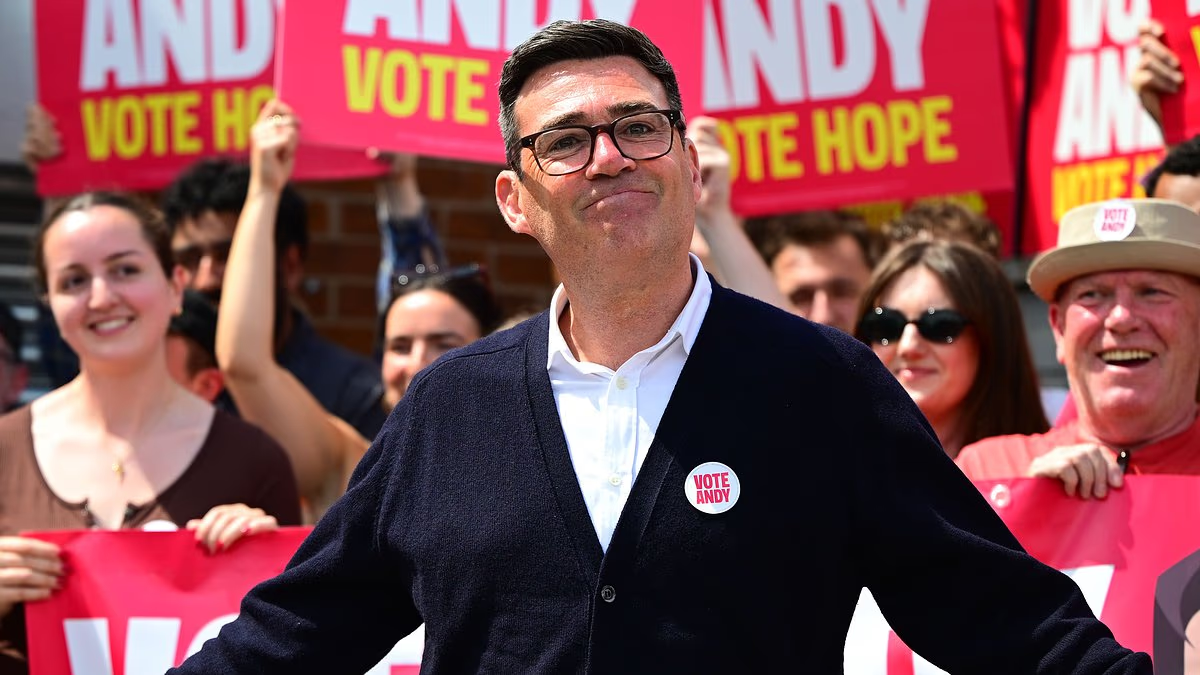
The Municipal Messiah of Manchester continues to bask in the adulation of his party’s starry-eyed faithful, who will almost certainly anoint him as the new Prime Minister on July 17 without a vote or any kind of a contest.This blinkered faith in Andy Burnham as Labour’s potential saviour comes despite his limited record of achievement and the lack of scrutiny he has faced over his views and political character.He will be the first politician in the history of British democracy to have reached No 10 without previously having been the official Leader of the Opposition or held one of the three great offices of state as Chancellor, Foreign Secretary or Home Secretary.Nor does he have any experience of the world beyond politics. His only serious job before he entered Parliament was as a special adviser to the Labour front bench while, having studied English literature at Cambridge University, his grasp of economics is weak to say the least.What makes his coup all the more remarkable is that in his first spell as an MP and a minister, he was less than impressive, gaining a reputation as a personable but shallow operator, keener to bend with the prevailing wind then stand up for his beliefs.He failed dismally in previous bids for the Labour leadership in 2010 and 2015. The latter was particularly humiliating because he had started out as clear favourite but proceeded to be crushed by the relatively unknown radical backbencher Jeremy Corbyn, the membership preferring Corbyn’s full‑blooded socialism to Burnham’s anaemic version.Bruised and beaten, he left Parliament in 2017 to become the Greater Manchester mayor. It was from this fiefdom that he reinvented himself as ‘the King of the North’, building up his popularity with skilled campaigns and publicity. And yet throughout his journey his policies and principles have remained opaque to say the least.Meanwhile, his pronouncements have all too often been accompanied by U-turns, retreats and flip-flops. He has U-turned on Brexit, migrant benefits, fiscal rules, Black Lives Matter, trans issues, Waspi women and much else – just since the start of his Makerfield campaign.Here, Leo McKinstry looks at what he has said policy by policy – and endeavours to establish what it is the future Prime Minister actually stands for... The Municipal Messiah of Manchester continues to bask in the adulation of his party’s starry-eyed faithful. Pictured this week on his return to Westminster Burnham has twice failed to win the party leadership and left parliament in 2017 bruised and beaten Brexit ‘I believe in unions of all kinds. The union that is the UK. The European Union benefitted this country. Trade unions. People prosper more when they’re part of unions,’ Burnham declared rather childishly at last year’s Labour Conference, as if reading from a greetings card.Burnham is a soft-left pro-European and would like to go much further on the path to reintegration than Sir Keir’s current strategy of ‘resetting’ Britain’s relationship with Brussels. Speaking at a fringe event at the Liverpool conference, he declared: ‘Long term, I’m going to be honest, I’m going to say it. I hope in my lifetime I see this country rejoin the EU.’He has also regularly attacked his party for not calling out ‘the economic disaster’ of Brexit. But, as usual, Burnham likes to equivocate. In the Makerfield by election – where two-thirds of the electorate were Leave voters – he adopted a more sceptical line, explaining that ‘Britain will be stuck in a permanent rut if we are just constantly arguing about Brexit’.So, for now, it is likely that he will stick with Labour’s strategy of closer economic ties and no second referendum.Welfare Burnham was notorious in the 2015 leadership contest for his habit of sitting on the fence over the reform of the bloated benefits system, torn between a recognition that the current costs are unsustainable and Left-wing sentimentality about the vulnerable. More than a decade later, he is still at it.In March last year, speaking on BBC Radio Manchester, he described the Government’s planned welfare cuts as ‘the wrong choice’. Burnham was particularly worried about anything ‘that makes the lives of disabled people harder’.Recently he has said he is willing to reduce social security funding to pay for more defence spending. ‘I am not squeamish about saying that the plan would be to reduce the welfare bill to drum up extra money for the Armed Forces,’ he claimed, though he will have to find a new inner steel if he is to get those plans past Labour backbenchers.Taxes‘Andy’s a nice guy But he wants to be liked,’ says one former minister.One of the ways Burnham seeks to increase his popularity is by dishing out pledges of extra spending and state intervention, such as on social care, council house-building and nationalisation. But how will this be paid for?Burnham’s ignorance of basic economics was evident in his bizarre declaration last year that Britain should not be ‘in hock to the bond markets’ on which the Government depends to borrow money. He has since U-turned and said he will stick by the fiscal rules, not least because the Government has run up so much debt that the price of borrowing has soared.If Burnham wants to spend more, he will have to tax more. So the British people are in for a period of financial punishment beatings under him.His supporters claim that he believes work is taxed too much and wealth too little.But the truth is that his arrival in No 10 will unleash an array of new demands from the state on every front, including a wealth tax and the replacement of council tax and stamp duty with a tax on land values which could send some annual property bills up by thousands of pounds a year.He also wants to increase capital gains tax so it’s in line with income tax rates – a massive disincentive for businesses to invest – and is looking at the return of the 50p top income tax rate for the highest earners.Meanwhile, to provide more funding for social care he has long cherished the idea of replacing inheritance tax with a new national care levy which everyone would have to pay. According to the Health Foundation think-tank, this could pull in £17 billion a year in taxation by the middle of the next decade.ImmigrationWith grim predictability, Burnham has been all over the place on immigration as he tries to square the circle of appealing simultaneously to Labour’s open-borders mentality and the wish of voters in places like Makerfield to take back control. The result is another embarrassing rash of U-turns.Having previously advocated that migrants who have come here for work or to study should have access to benefits, he now opposes the idea.Similarly, having criticised the tough approach of the Home Secretary Shabana Mahmood in making migrants wait longer for decisions on their right to remain in the UK, he now trumpets a robust strategy.‘The UK should make greater use of detention so that people who’ve got no basis for a claim are dealt with quickly and there’s a speedier return,’ he declares.There is nothing consistent about him. He has bleated about migrants left in limbo, while also supporting Angela Rayner when she described Ms Mahmood’s scheme as ‘unBritish’.Trans issuesBurnham was pictured in a pair of sandals after his Makerfield victory but flip-flops are the most essential part of his wardrobe. In a speech in 2022 he denounced the idea that single-sex spaces should be exclusively reserved for biological women.That was ‘a minority view’, he said, adding, ‘I am going to make it really plain: I support trans rights and I want that to be known.’But he has changed his view and now expresses support for the recent Supreme Court ruling that the protection of women’s spaces must be the priority.Gaza and IsraelAs so often, Burnham faces both ways on Israel. He has a strong record of campaigning on anti-Semitism, opposes sanctions against the country, and has refused to label Tel Aviv’s military action in Gaza ‘genocide’ as some of his fellow Labour MPs have.But he was also one of the first politicians in Britain to call for a ceasefire in Gaza, breaking ranks with Starmer who at the time had thrown the weight of his government behind Israel.DefenceBurnham is said to be furious at the way Sir Keir Starmer is trying dictate defence policy in his last days in office, especially through the publication of the defence investment plan. But beyond his private anger and rhetorical platitudes, he seems to have little idea of what he will cut to pay for any major uplift in defence spending.‘To govern is to choose,’ the French politician Pierre Mendes-France said, but Burnham runs away from tough choices, as in this case, where he tries to hide behind talk of new procurement rules, or special funds, or new borrowing instruments to avoid facing the reality of the need for cuts. A nuclear submarine heads back to its base in Faslane, Scotland after a patrolPensions triple lockThe triple lock for pensioners was introduced by the Tory-led Coalition. It stipulates that the state pension rises every year by either the rate of inflation, average earnings or 2.5 per cent, whichever is the highest.It has been largely successful, but the cost has been high. It is estimated that the Government is now spending £12billion more every year than if the state pension had just risen in line with average earnings.Burnham’s key trio of economic advisers – former Bank of England chief economist Andy Haldane, former Treasury Minister Jim O’Neill and ex-head of the Office of Budget Responsibility Robert Hughes – all think that it should be scrapped, describing it as ‘unsustainable in the long-run’.But Burnham does not appear to have the stomach for such a controversial step and has publicly pledged to support the triple lock.DevolutionReshaping the balance of power in Britain is one of Burnham’s distinctive commitments. In his victory speech at Makerfield, he told the cheering supporters: ‘People have voted for change. They have voted for more power for the North and everywhere forgotten by Westminster. Now let’s give it to them.’In practice, this could involve the creation of regional assemblies or giving local government more responsibility for services like the NHS.A more radical plan would be to devolve income tax to regional bodies. This could be done in two ways; the first is by the principle of retention, where local councils or mayors are allowed to keep more of the income tax revenue raised in their areas. The second is to permit local and regional bodies actually to fix the income tax rate themselves, as happens in Scotland.But variations in regional income tax would be hugely controversial, provoking accusations of inequality and postcode lotteries, as well as higher bills.Water and utilitiesDespite all the failings of the public sector, Burnham still clings to a socialist belief in state control for key services. He rarely fails to miss an opportunity to extol the Manchester bus network that he helped to create. When it comes to utilities like water and electricity, his long-term aim is undoubtedly public ownership or oversight, starting with the water companies. Where he would raise the money to return these bodies to the state is a moot point.Waspi women and Black Lives MatterEarly on in the Makerfield by-election campaign, Andy Burnham said he would ‘stick by’ Waspi women who claim they lost out on thousands of pounds owing to changes to the state pension age, suggesting that as many as 3.6 million of them deserved thousands in compensation.The backlash provoked one his most rapid U-turns yet – days later, he ruled out the idea.Another dramatic reversal came over the Black Lives Matter movement for which he signed a solidarity statement on behalf of Greater Manchester in 2020.When he appeared on Question Time during the by-election, he disavowed taking the knee.
LEO MCKINSTRY: What DOES Andy Burnham actually believe in?
The Municipal Messiah of Manchester continues to bask in the adulation of his party's starry-eyed faithful, who will likely anoint him as the new Prime Minister on July 17 without a vote or any kind of a contest.
1,973 words~9 min read