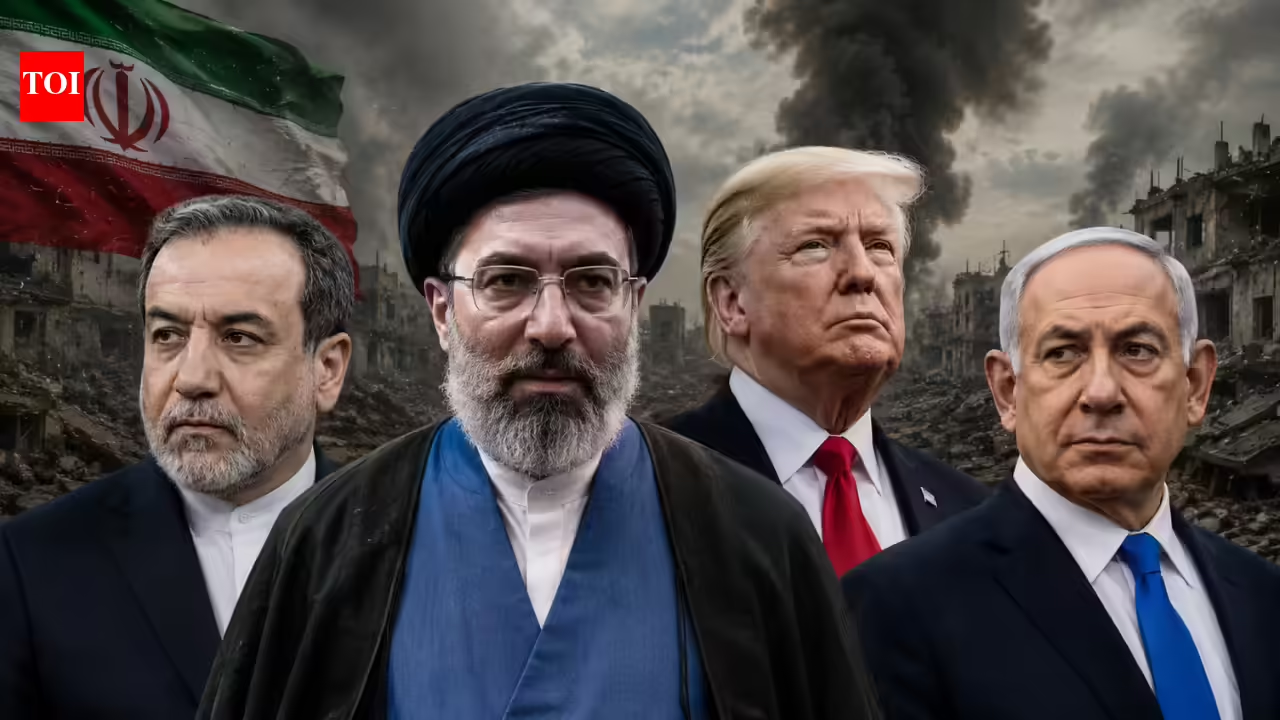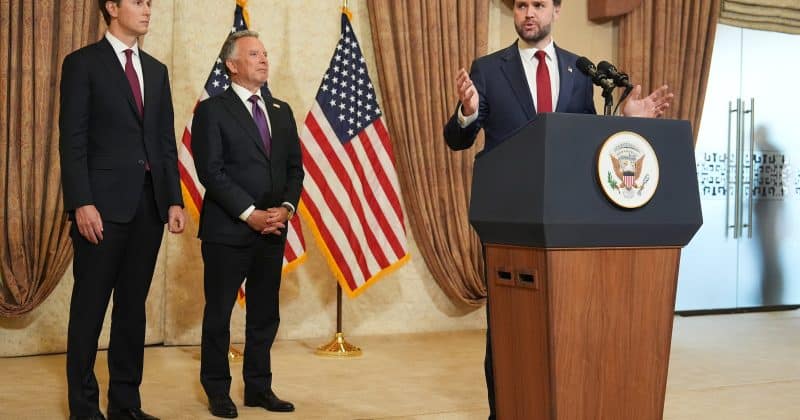
The United States and Iran have signed a memorandum of understanding establishing a 60-day ceasefire, with Vice President JD Vance delivering a blunt warning alongside the diplomatic olive branch: violence will be met with violence.
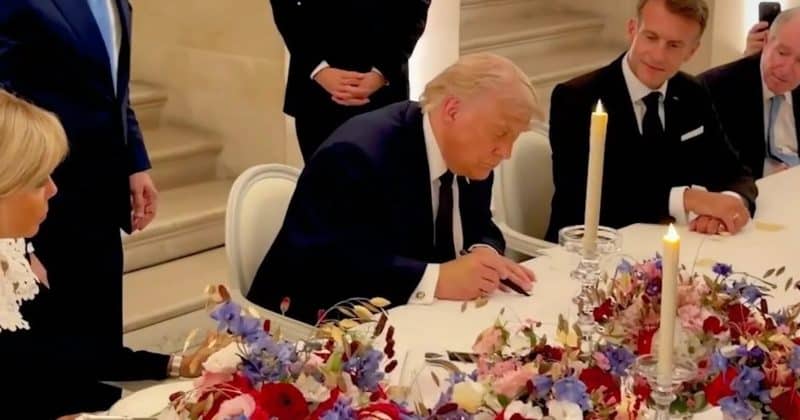
The MOU, digitally signed around June 15, 2026, by President Trump, VP Vance, and Iranian parliament speaker Mohammad Bagher Ghalibaf, marks the most significant diplomatic engagement between Washington and Tehran in years.
What the deal actually includes
The agreement isn’t a peace treaty. It’s a structured pause, a 60-day window for the two sides to negotiate on the thornier issues, chief among them Iran’s nuclear program and its enriched uranium stockpiles.
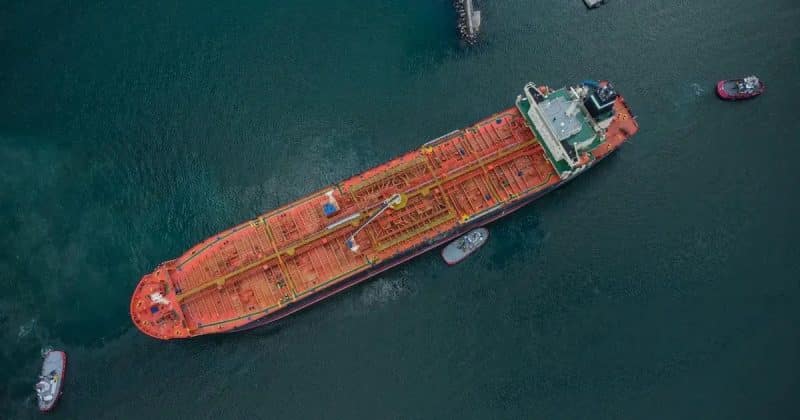
The US has agreed to lift its maritime blockade, reopen the strategically critical Strait of Hormuz, and offer conditional sanctions relief. Vance has been emphatic that sanctions relief is performance-based: Iran doesn’t get the carrot until it demonstrates compliance, particularly on its enriched uranium obligations. He also stressed that no US taxpayer funds would be involved unless Iran meets specific benchmarks.