Commentary
Besides having to pay more for your next iPad or Nintendo Switch, soaring chip prices potentially come with other big downsides, says Chris Bryant for Bloomberg Opinion.
A Micron logo and a computer motherboard appear in this illustration taken August 25, 2025. REUTERS/Dado Ruvic/Illustration
27 Jun 2026 06:00AM
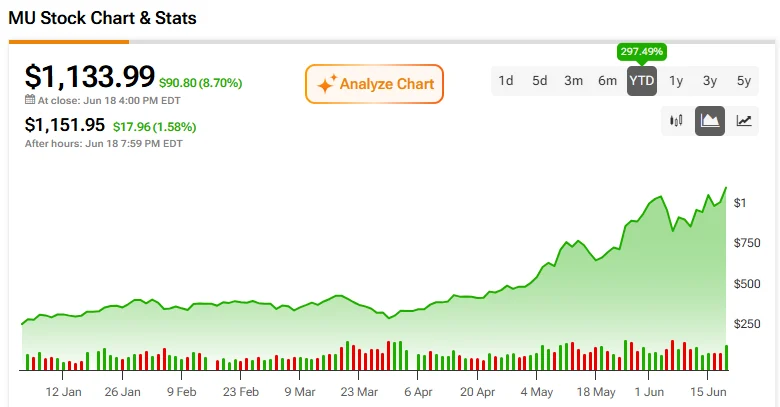
BERLIN: Computer memory chipmaker Micron Technology’s blowout quarter has, for now, dispelled concerns that the artificial intelligence boom is faltering. But I’m not sure its whopping 80 per cent operating profit margins are good news for the rest of us.The US firm’s revenue in the three months to May was more than four times higher than the same period last year, and it hauled in US$18 billion of free cash flow in that time. It’s the result of massive data centre demand and the huge price increases that phenomenon is triggering well beyond the AI industry.So-called high-bandwidth memory (HBM) of the type offered by Micron is an essential component of advanced AI processors. Data centres also consume a lot of conventional DRAM (short-term working memory) and flash storage. But regular consumer-electronics products need memory and storage, too, and there isn’t enough silicon to go around as the data centres gobble up the chip supplies. On Thursday (Jun 25), Apple raised prices for Macs and iPads by close to 20 per cent, to offset higher memory and storage costs (for now the iPhone has been spared). The company has “never seen a component price increase this much, this quickly,” an Apple spokesperson explained.