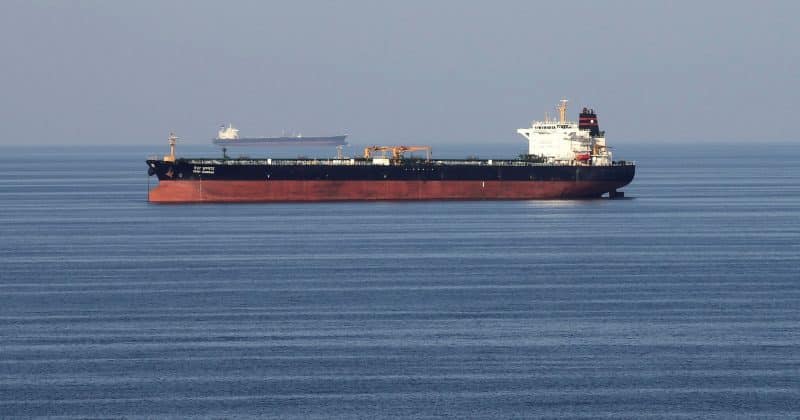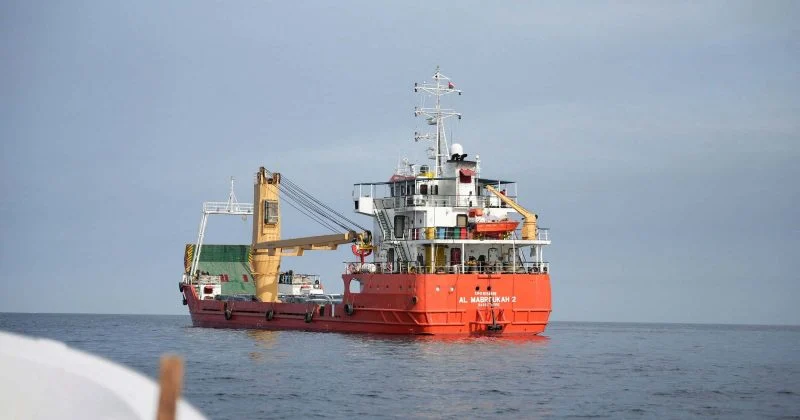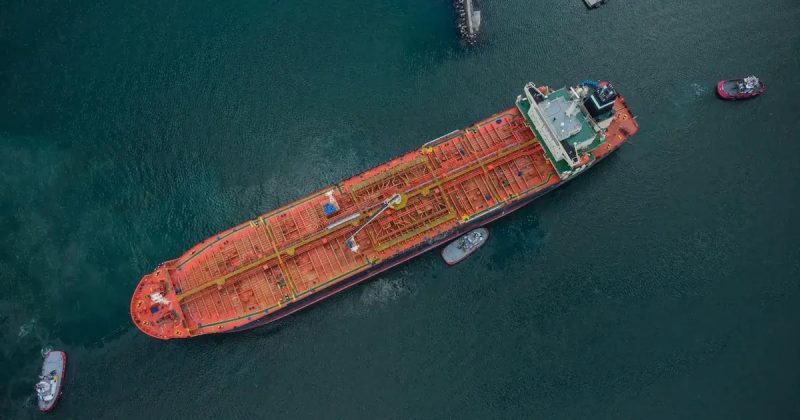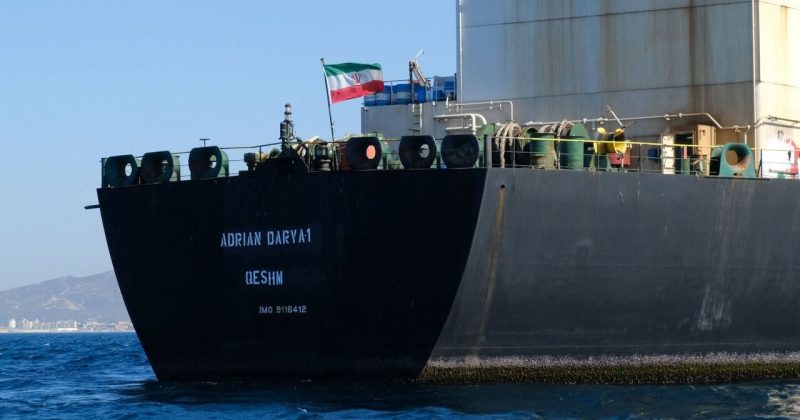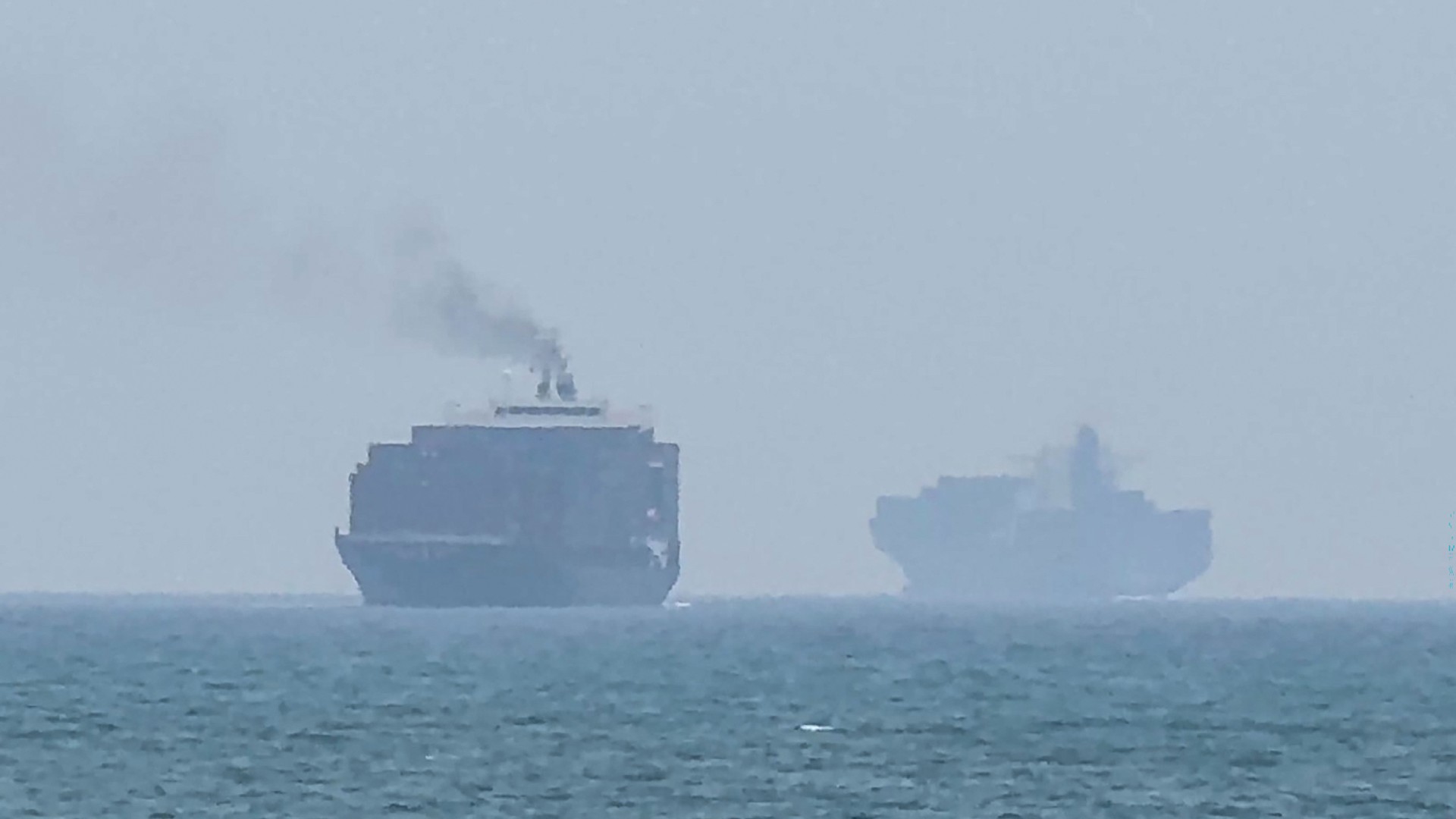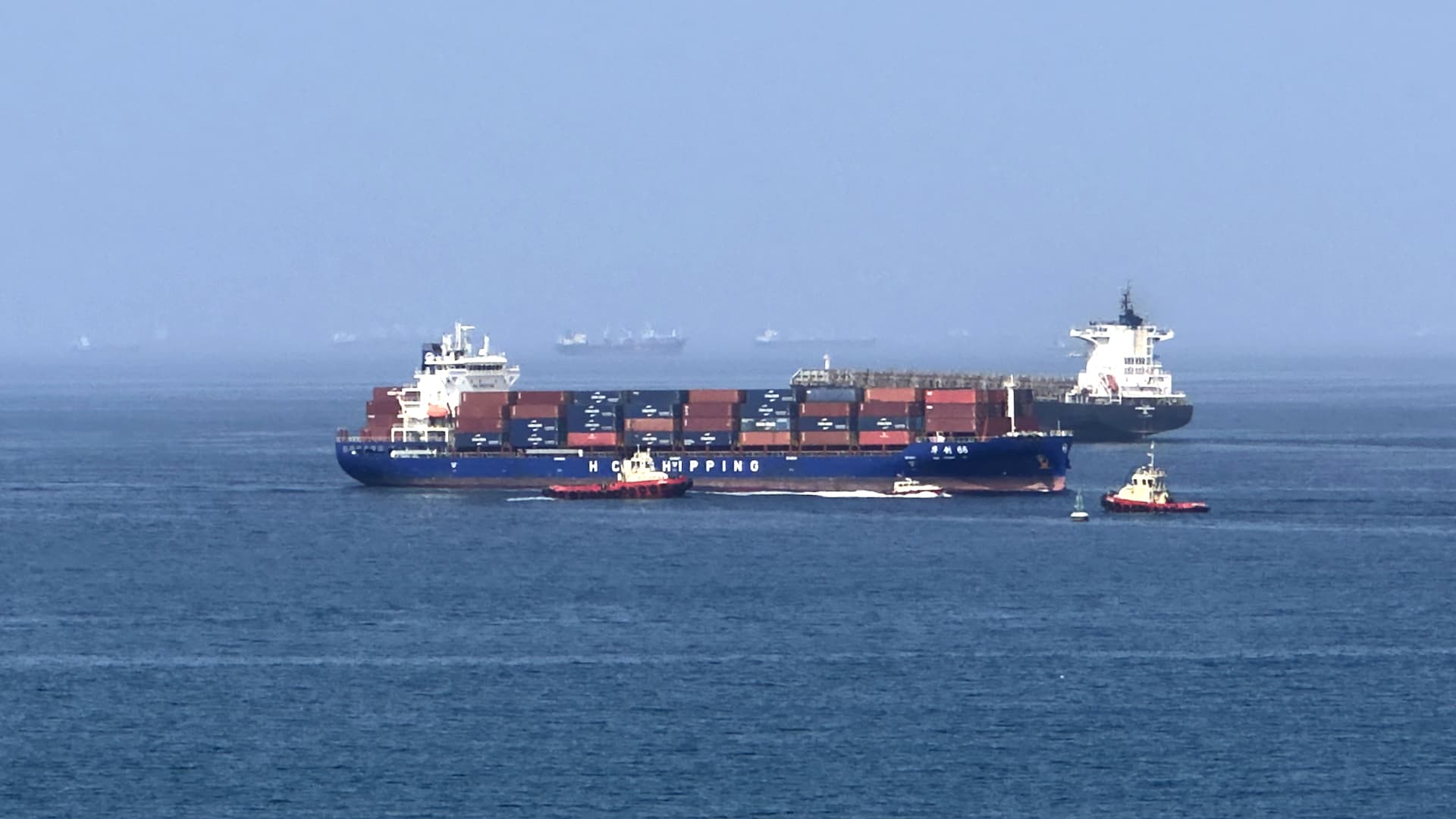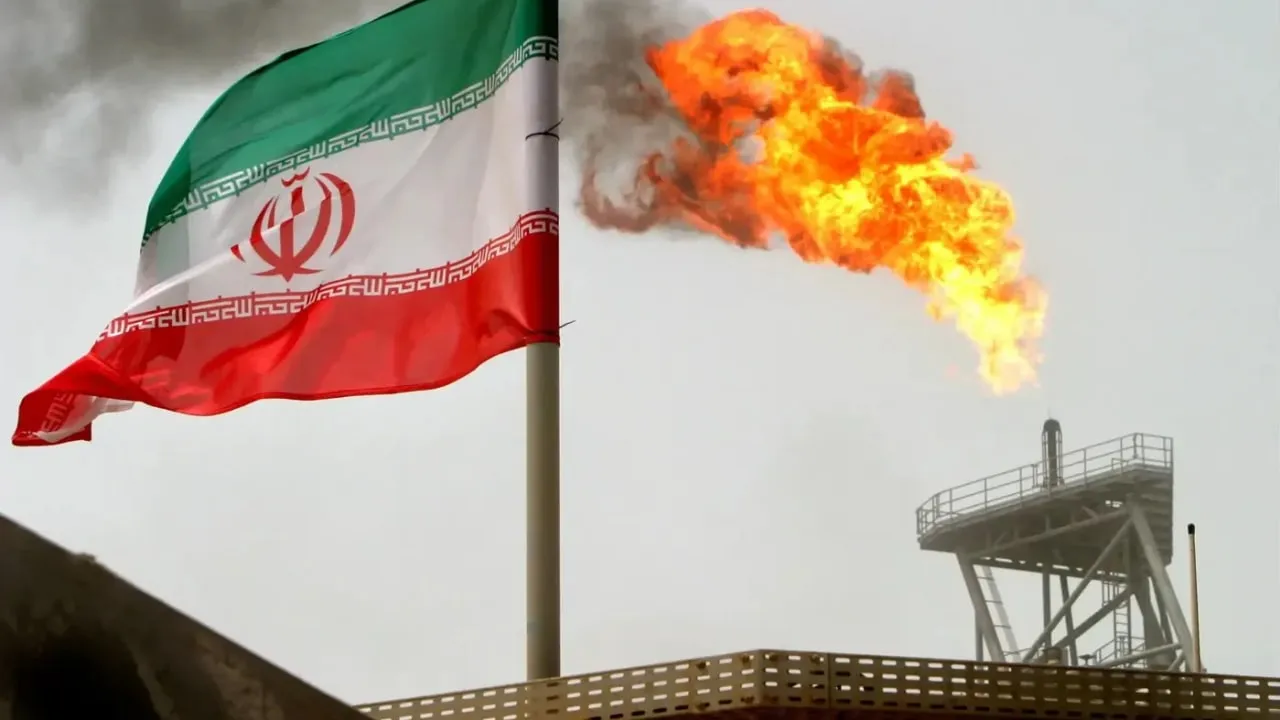
Iran is pumping oil again. After roughly 50 days of silence from its export terminals, the country has resumed crude shipments, with volumes reaching 16 million barrels during the initial phase of the restart. The move comes after a US naval blockade in the Strait of Hormuz effectively choked off one of OPEC’s most controversial suppliers.
The broader picture is even larger. Maritime intelligence firm TankerTrackers reported that approximately 36 million barrels were exported starting June 15, 2026, following the lifting of restrictions tied to a US-Iran interim agreement.
What happened and why it matters
Iran’s primary export hub, Kharg Island, went quiet during the roughly two-month blockade. During the height of the conflict, Iranian exports had dropped to an estimated 1.5 to 2 million barrels per day, a significant reduction from the country’s typical output.
The 16 million barrel figure from the initial restart period, which occurred even amid operational disruptions back in March 2026, demonstrates something analysts have long suspected: Iran has built significant resilience into its export infrastructure.