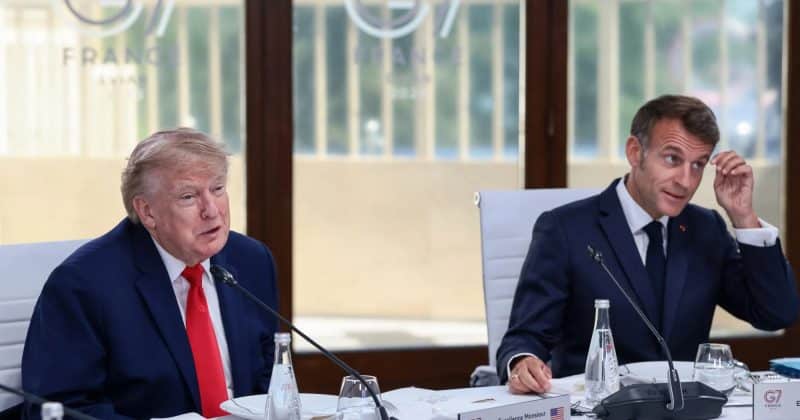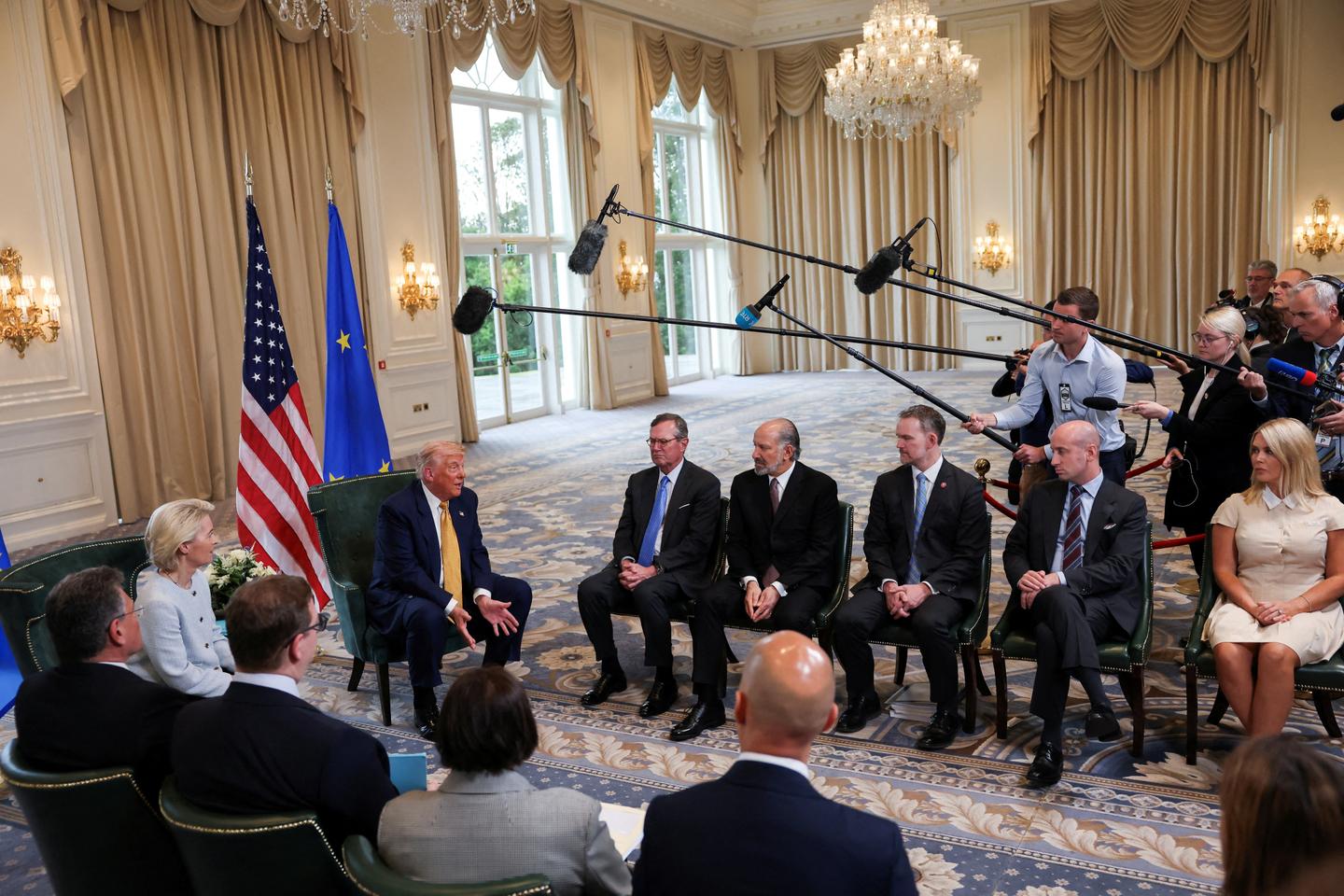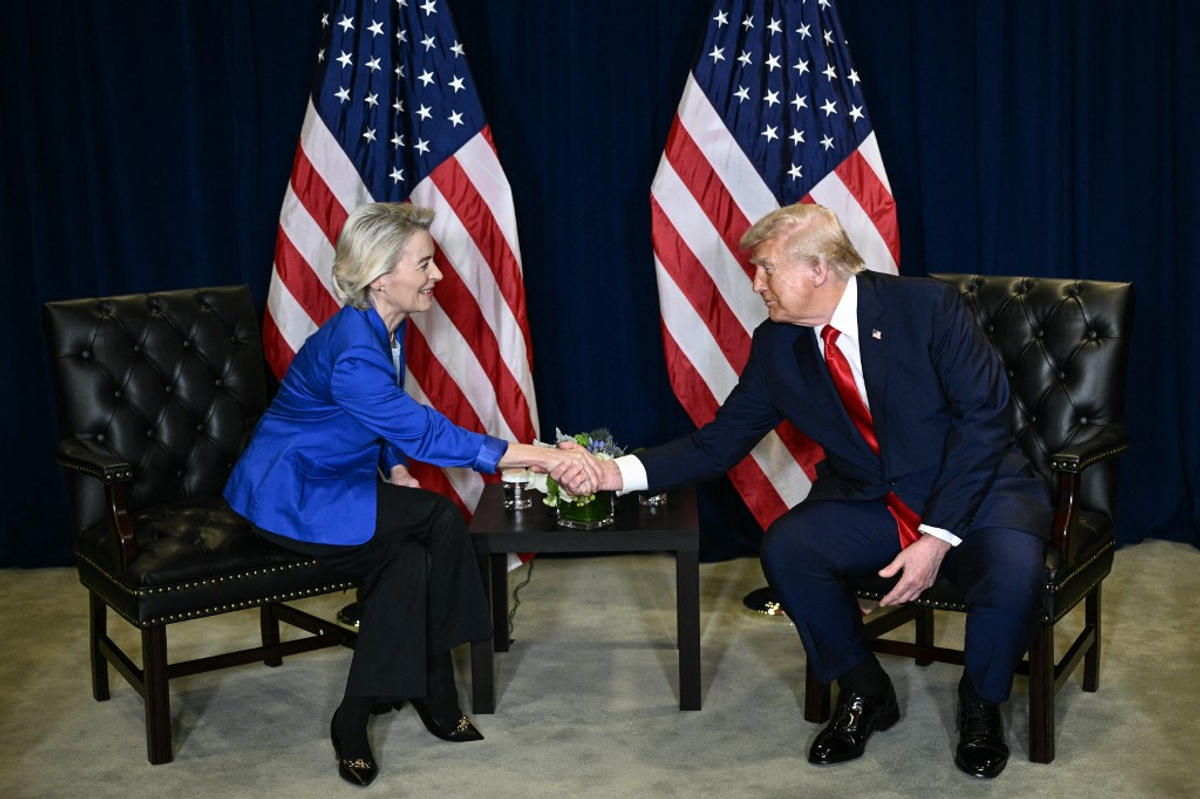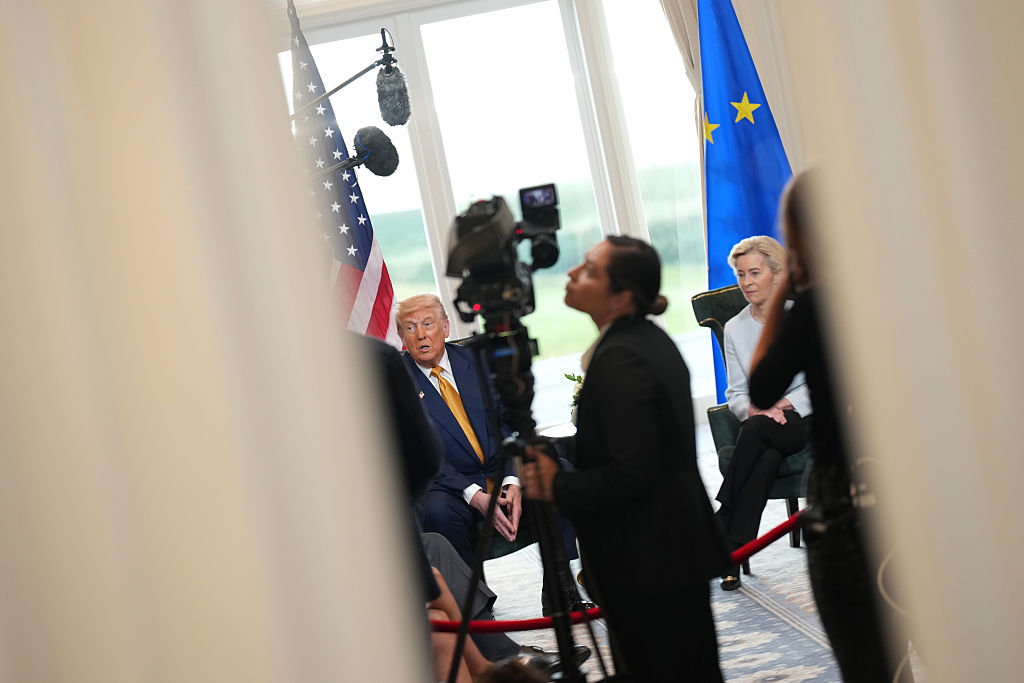
In July 2025 America and the European Union agreed on a lopsided trade deal, signed at President Donald Trump’s Turnberry golf course in Scotland. By September officialdom in Washington had completed the necessary paperwork. Getting it through the EU system in Brussels has proved more complicated. There were two legislative proposals from the European Commission, a report from the European Parliament, then some haggling between the bloc’s 27 member states on how they should jointly negotiate with MEPs. Meetings ensued, press releases were issued.
By May, some ten months later, a grand jamboree of negotiations between various bits of the EU known inelegantly as a „trilogue” had tentatively signed off on the deal. The parliament then decamped to its second home in Strasbourg (best not ask why) to vote on it. All that now remains is a few more ministerial signatures, then some more press releases, then translation of the whole thing into the EU’s 24 official languages. Everyone involved seems delighted it has taken „only” a year or so to get the whole thing over the line.
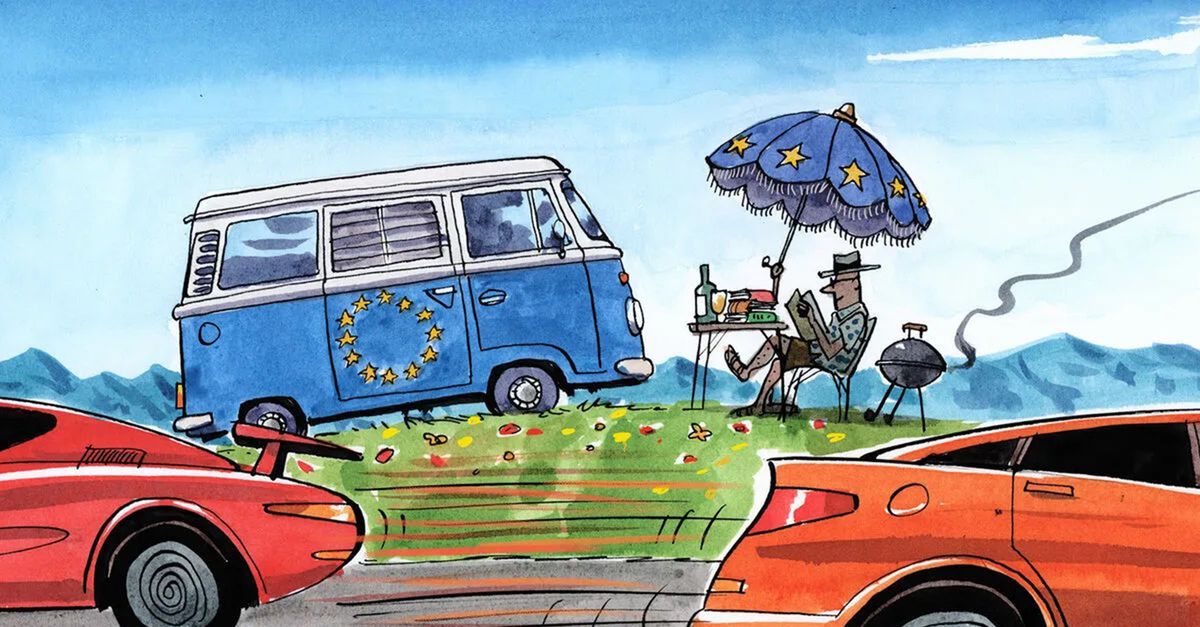
Living the slow life is part of Europe’s charm. Those long lunches and interminable summer holidays are as integral to the place as cathedrals and grumpy waiters. Alas, the idea of la dolce vita carries through to policymaking. In the case of the trade deal, forcing Mr Trump to twiddle his thumbs—he huffily threatened to scrap it if the EU didn’t get a move on—may have been a feature, not a bug. But other European initiatives are into their second decade of gestation for no such good reason. Deliberation is a virtue. Europe often seems to be engaged in obstinate self-obstruction.