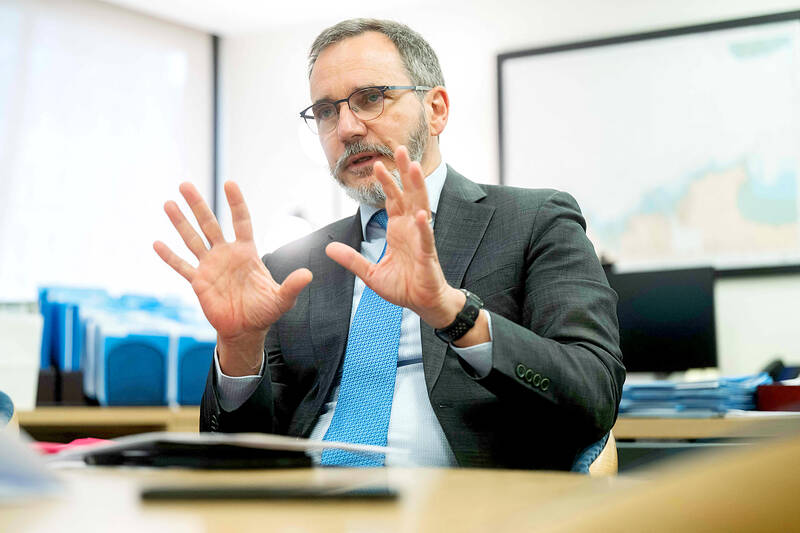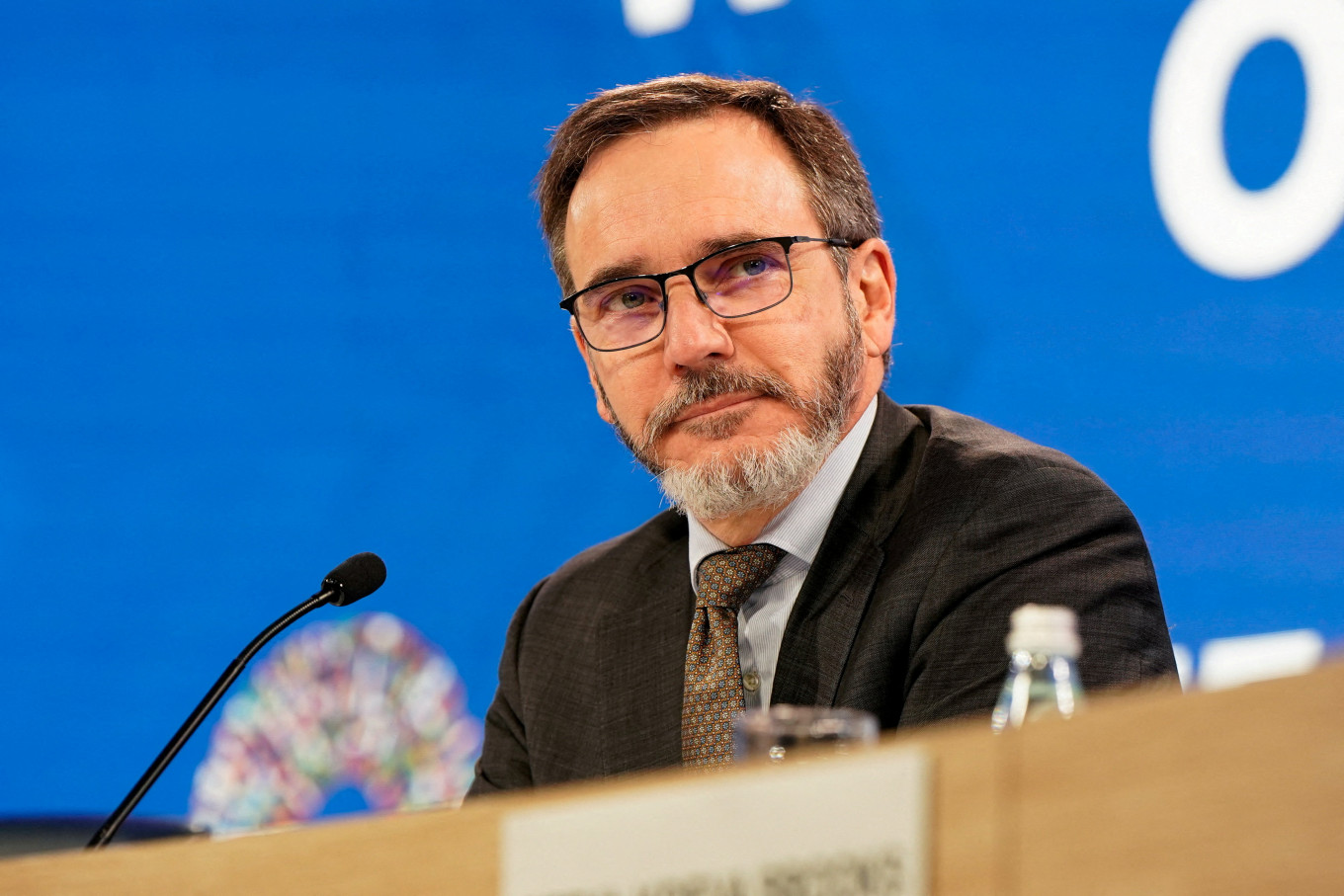
The world's lender of last resort will release an update to its World Economic Outlook on July 8, with all eyes on whether -- or how far -- it revises down growth estimates from its April update due to the economic fallout of the US-Israeli war on Iran.By then, however, Chief Economist Pierre-Olivier Gourinchas will have moved on after completing a four-and-a-half year tenure that saw the IMF grapple with the economic fallout from the Covid-19 pandemic, Russia's invasion of Ukraine, Washington's upending of global trade through tariffs and the recent war on Iran.Reflecting on a tumultuous time for the world economy, Gourinchas remains confident that recent upheaval in global trade caused by US President Donald Trump's tariffs are not necessarily ending globalization -- just adjusting certain bilateral relationships."Well, it's certainly not dead," he told AFP in his office at the IMF's headquarters in Washington, pointing to solid global trade-to-GDP ratios. "We haven't experienced de-globalization," he said. "We have experienced (that) it's being transformed."Gourinchas, a 57-year-old Frenchman, said the latest movements should be seen mainly as "a desire to reduce the bilateral level of trade between the US and China. I don't think that is something that is a mystery for anyone."Since returning to office for a second term, Trump has targeted US friends and foes alike with punishing tariffs, saying he intends to rebase manufacturing to the homeland and to address what he terms unfair trade practices.Treasury Secretary Scott Bessent and US Trade Representative Jamieson Greer have described globalization as having taken economic integration too far, causing economic pain for American households while benefiting those abroad.
Globalization isn't dead, just 'transformed,' says IMF chief economist
While the global economy has faced shocks and trade turmoil, globalization is not dead -- it is simply being "transformed," the International Monetary Fund's chief economist told AFP Friday in an exclusive…
733 words~3 min read