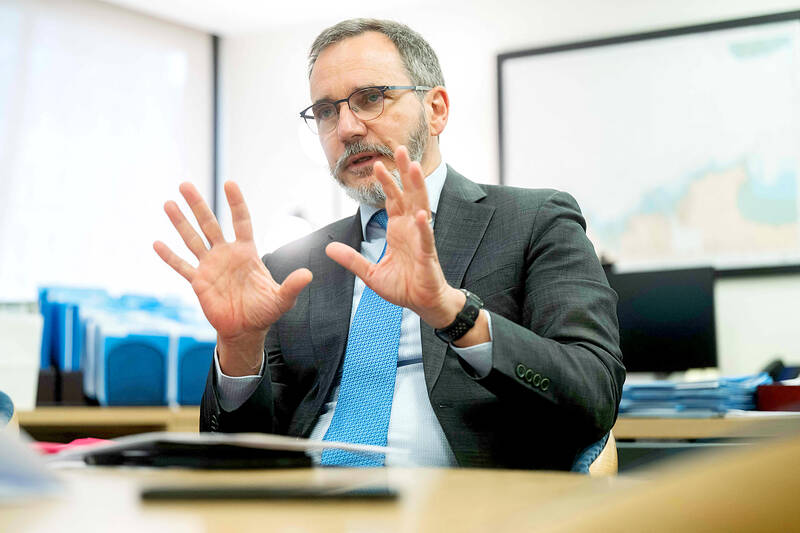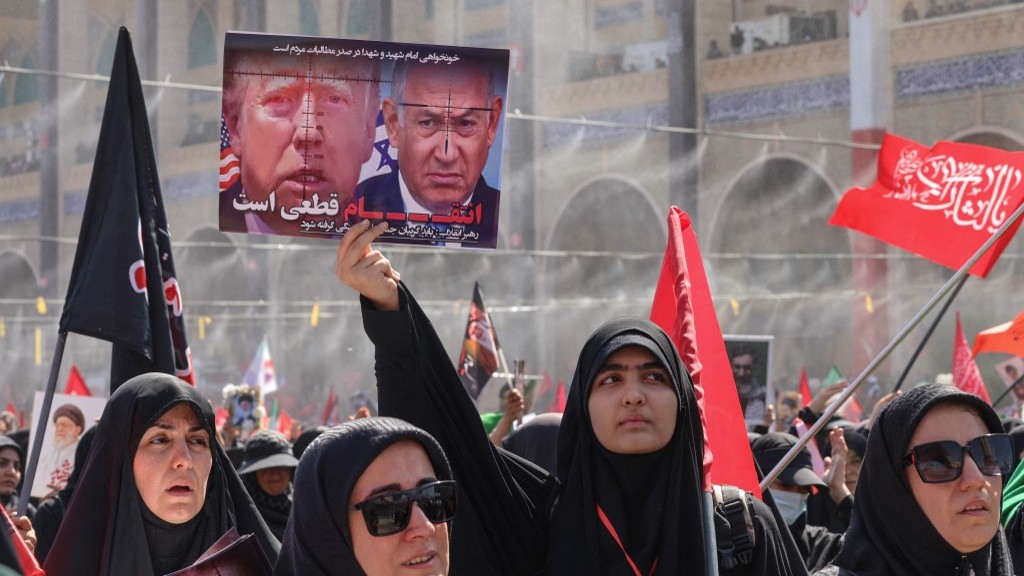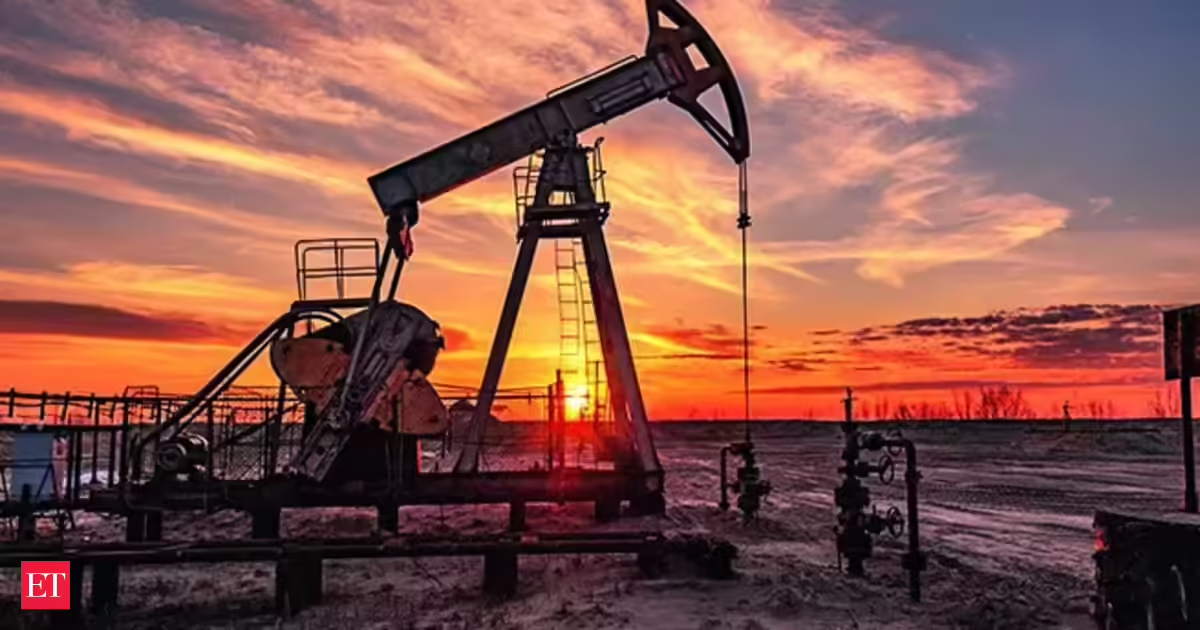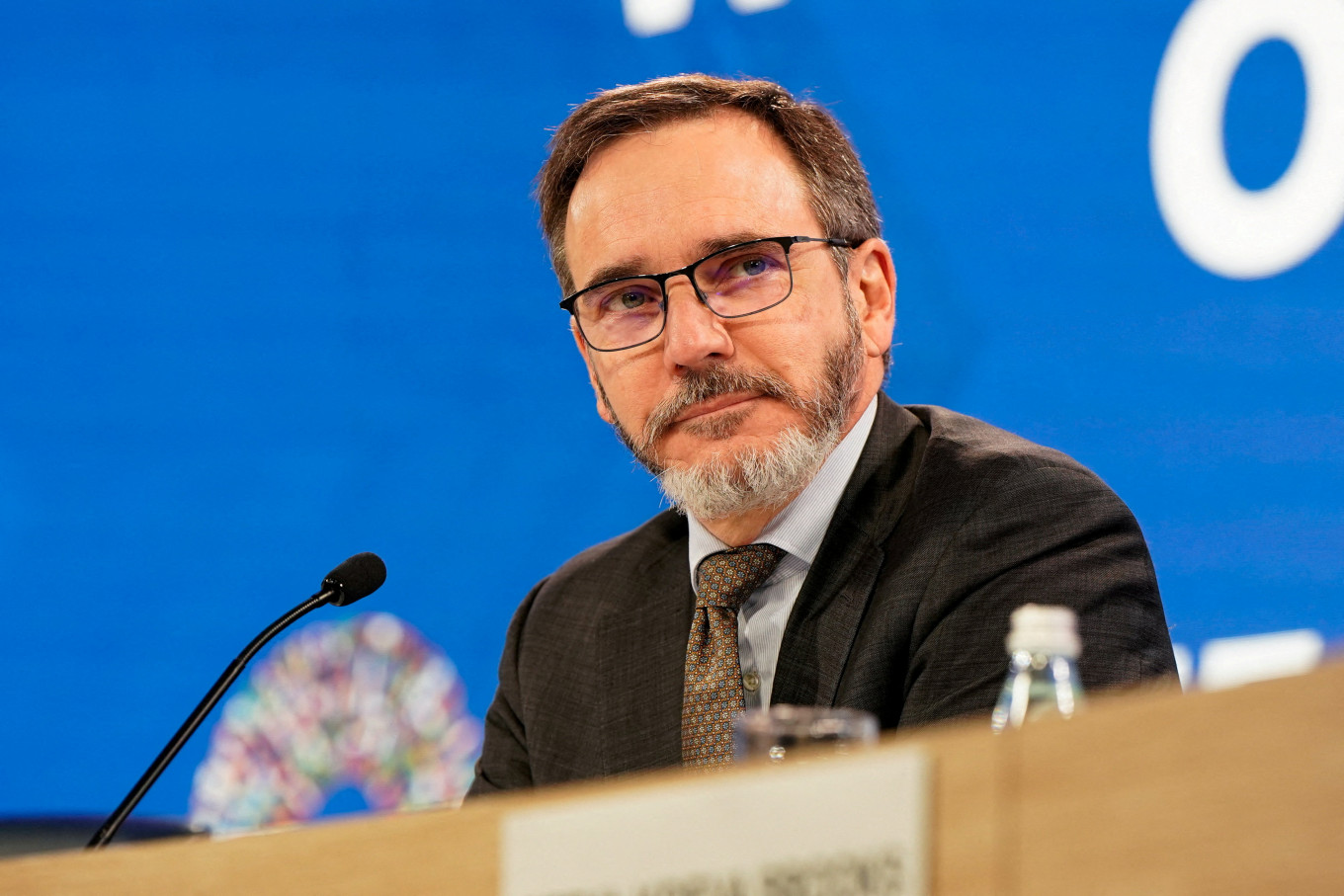
Strategic petroleum releases helped avert a sharper rise in oil prices as a result of the war in the Middle East, but the global economy faces significant downside risks if a fragile ceasefire between the US and Iran doesn't hold, IMF chief economist Pierre-Olivier Gourinchas said on Friday.Those reserves were now fairly depleted, which meant countries would have less room for maneuver if the conflict flared again, Gourinchas told Reuters in an interview before he leaves the International Monetary Fund to return to the University of California, Berkeley next week.
Gourinchas, who has long warned that growing geopolitical tensions could lead to a more fractured global economy, gave no details about a fresh forecast to be released by the IMF on July 8, after he returns to academia.
But he suggested the global lender could return to offering a baseline forecast – instead of the three scenarios that it released in April. It was the second time during his tenure that the Fund chose to skip a baseline forecast, the first being in April 2025 after US President Donald Trump upended global trade with tariffs against imports from most countries in the world.
IMF spokeswoman Julie Kozack on Thursday left open whether the IMF would continue with the three growth scenarios or revert to a more traditional baseline forecast.