The paradigm of Artificial Intelligence is undergoing a fundamental shift. We are moving rapidly from the era of stateless chat completions—where an LLM simply acts as an advanced text-autocomplete engine—to stateful, autonomous AI agents. These agents don't just talk; they do. They plan multi-step workflows, execute tools, read and write files, run test suites, and react to background triggers.
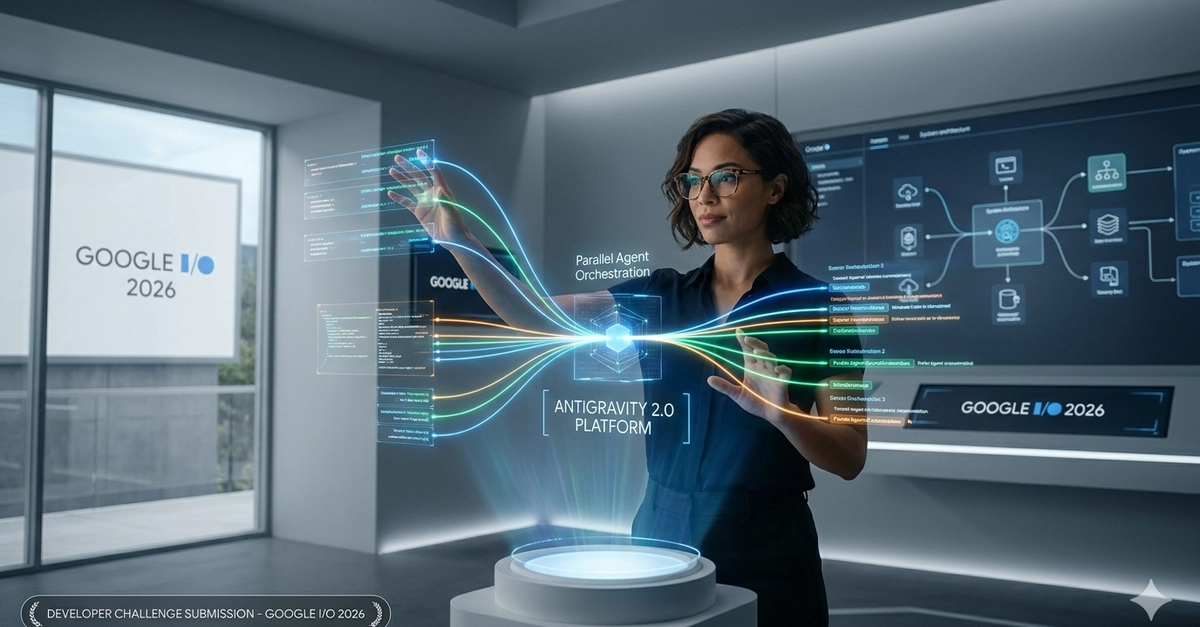
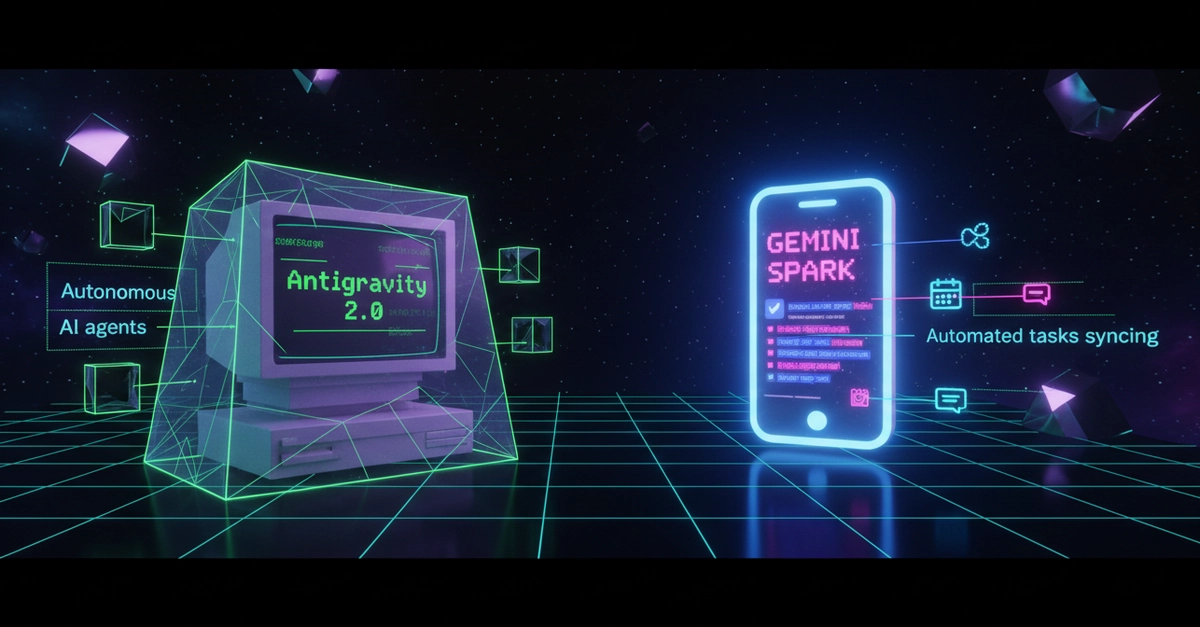
At the center of this revolution is a powerful synergy: the reasoning brain of Google's Gemini models paired with the execution environment of the Google Antigravity SDK.
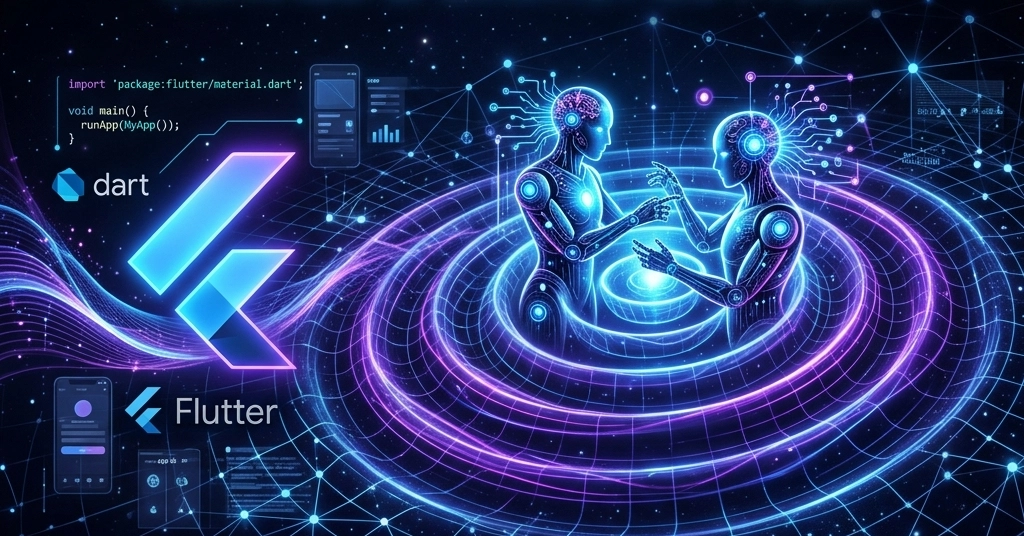
Until recently, the AI agent ecosystem was heavily centered on Python and JavaScript, leaving Dart and Flutter developers on the sidelines. The introduction of the community-maintained native antigravity Dart SDK bridges this gap. It gives Dart developers a zero-configuration, type-safe, and highly-performant environment to build next-generation agents.
In this blog post, we will explore the architecture of Antigravity, trace the chronological journey of the Dart port, and examine how the combination of Gemini's reasoning engine and the Antigravity harness is catalyzing the future of autonomous software.
An autonomous agent requires two components to function: a Brain to decide what to do, and a Body to execute those decisions safely.