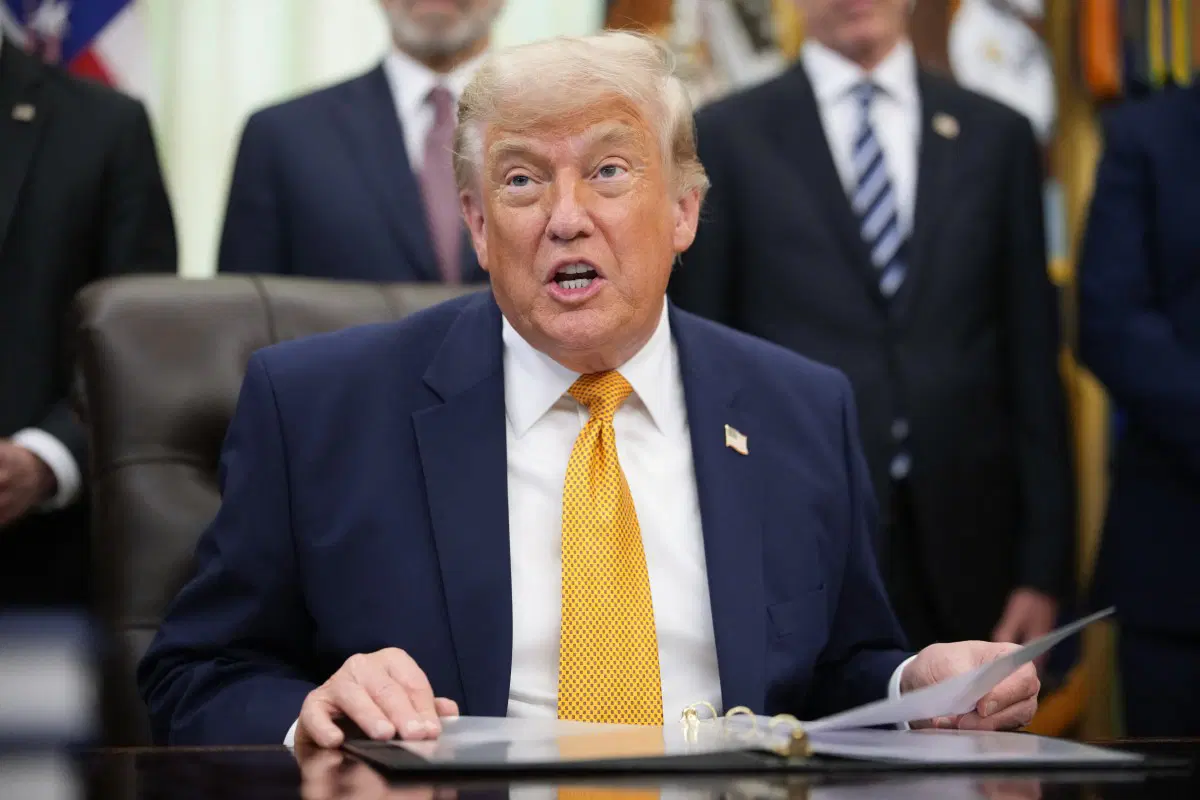
President Donald Trump dropped a trade grenade on June 26, announcing via Truth Social that any country imposing a Digital Services Tax on US companies would face a 100% tariff on all goods exported to the United States. Not 10%. Not 25%. One hundred percent, the kind of number usually reserved for luxury sin taxes on imported cigars, not a blanket threat against allied nations.
The threat specifically targets European countries that have been contemplating or actively implementing DSTs aimed at American tech giants. And here’s the kicker: Trump says the tariff would override existing trade agreements. In English, that means years of carefully negotiated deals could be tossed aside if a country decides to tax Google’s or Meta’s revenue within its borders.
What’s a digital services tax, and why does Trump hate it
A Digital Services Tax is exactly what it sounds like. Countries levy a tax, typically between 2% and 5%, on gross revenues that large tech companies earn from digital services provided within their borders. Think of it as a country saying: “You’re making billions selling ads to our citizens and mining their data, so you owe us a cut.”
The US has never been a fan. Washington has long viewed DSTs as discriminatory measures that disproportionately target American businesses. Which, to be fair, they kind of do. The companies generating the most digital revenue globally tend to have their headquarters somewhere between Cupertino and Seattle.